A Catalogue of Exceptions

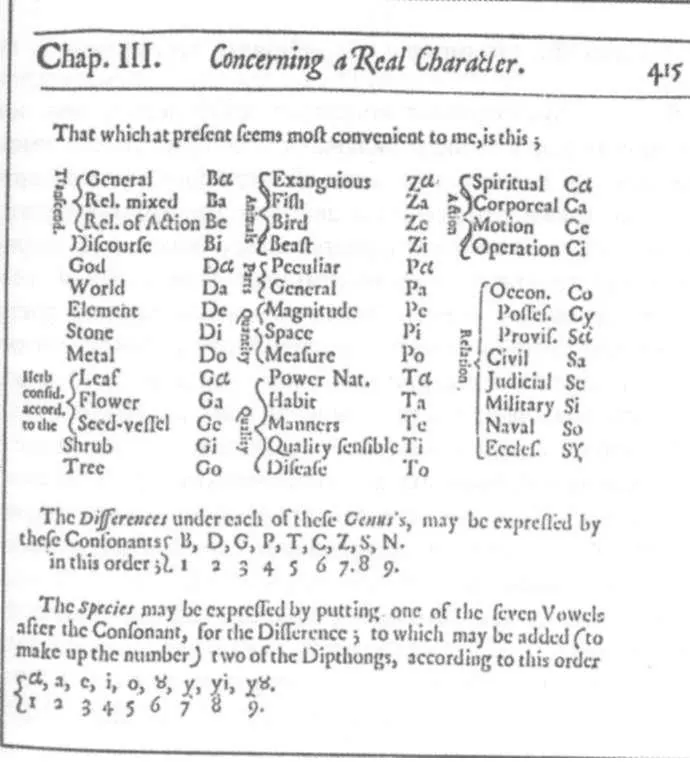
A Catalogue of Exceptions is an ongoing project that takes and illustrates the things that cannot be contained neatly in classification systems and places them together to create a weird ark of objects which only really starts to make sense in the aggregate. Each specimen is generated through a variety of different machine learning models so that the visible artefacts and anatomical instability inherent in SNGANs, StyleGANs and early versions of Stable Diffusion are combined with the precision and exactness of more recent models to create a different type of strangeness. The project began with research into John Wilkins and his attempt, at the end of the seventeenth century, to classify everything in existence and give each a unique symbol, so that the world could be written and understood without ambiguity. But throughout his effort he is constantly finding things that do not fit into the rules that he has drawn up for himself, that are 'strange originals', 'betwixt plants and animals', that want 'or seem to want some of the more essential parts of plants'. This problem is not unique to Wilkins: Linnaeus created a category called Chaos for microscopic organisms he could not see clearly enough to name, Haeckel invented a third kingdom called Protista for everything that was neither plant nor animal and contemporary biological taxonomy uses the formal term 'incertae sedis' for organisms that cannot be placed. As the project grows, more of these uncontainable examples will be made.
Artist Notes (Thoughts & Process)
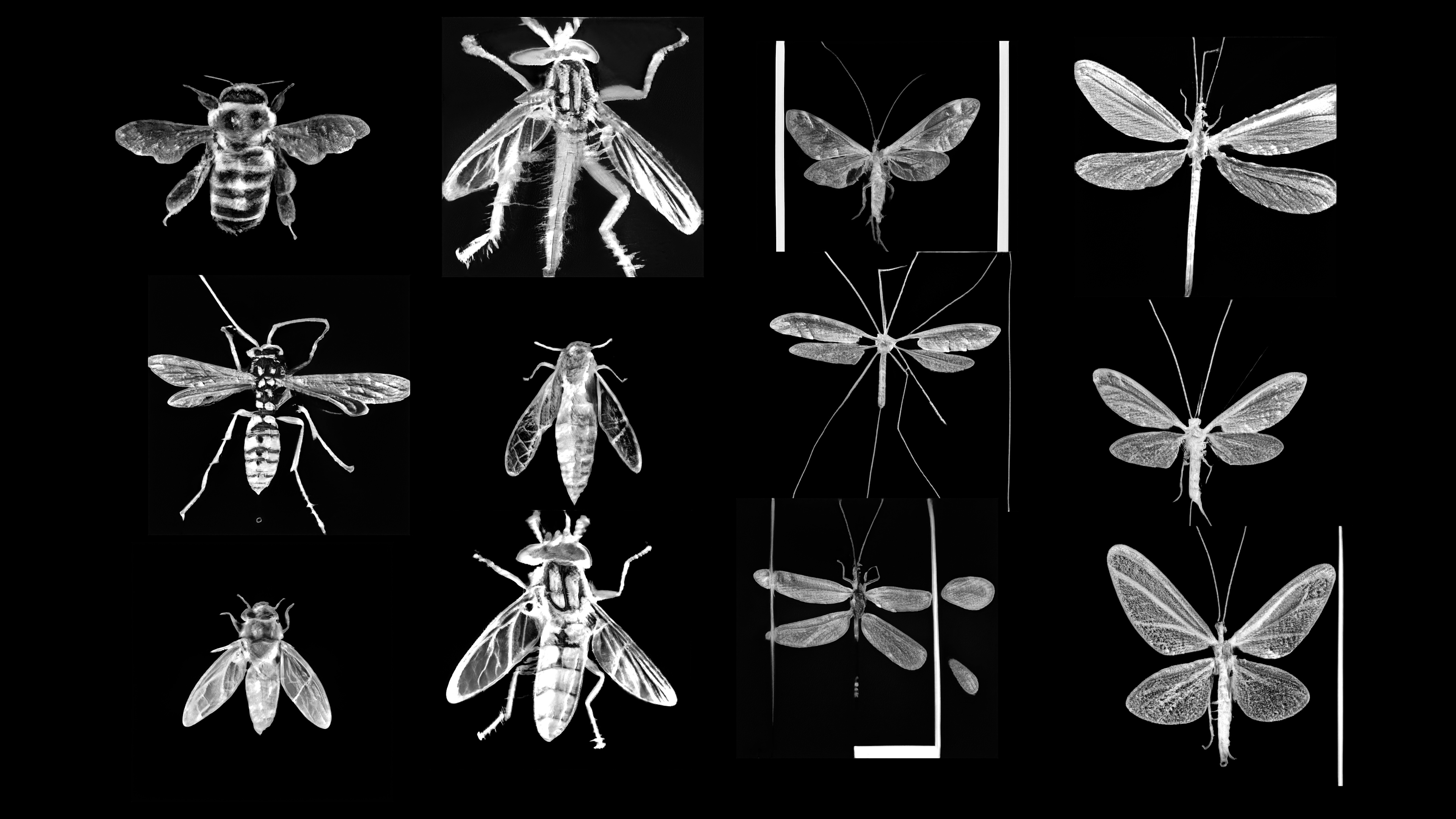
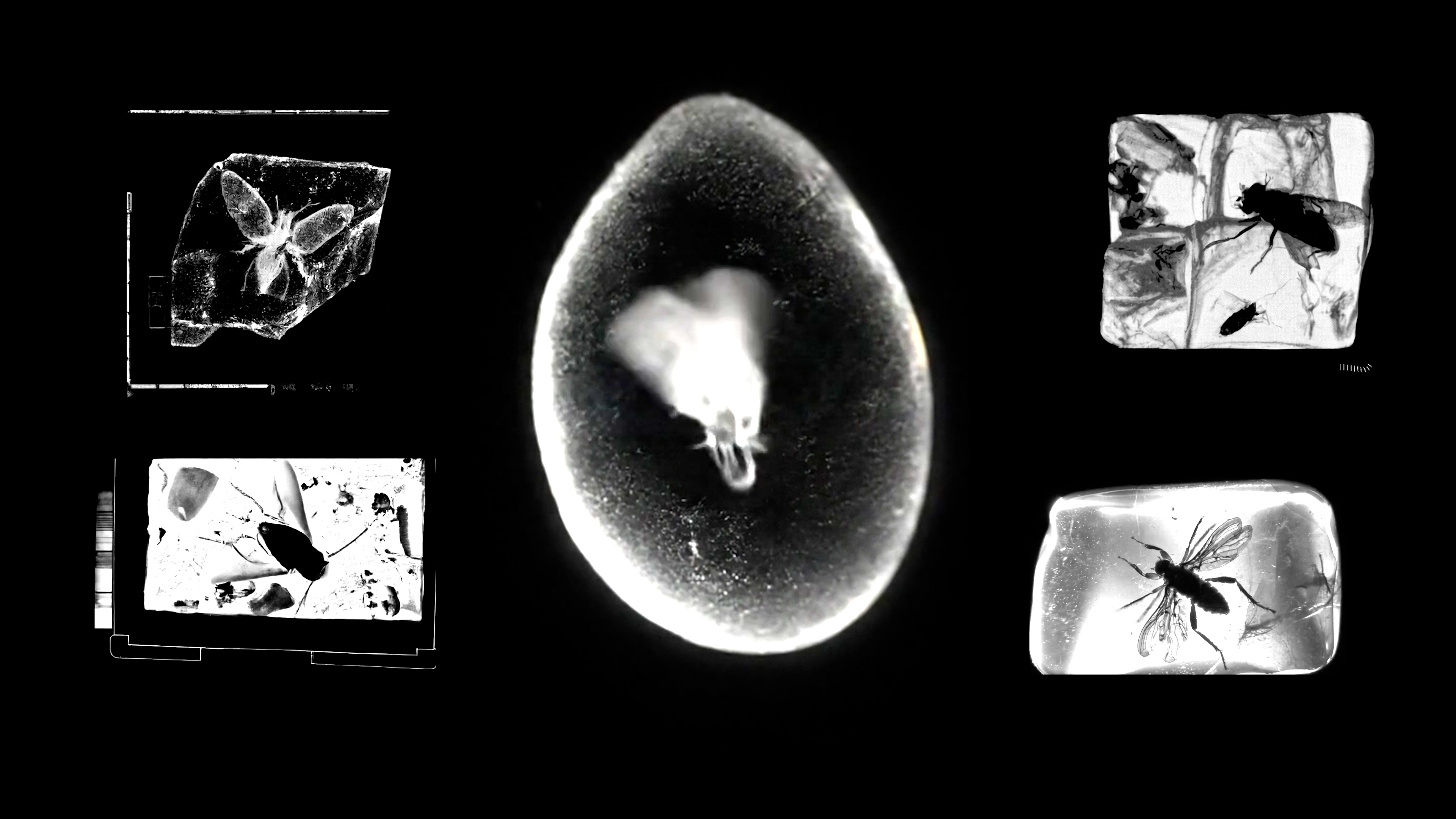
In 1668, John Wilkins published An Essay Towards a Real Character and a Philosophical Language and throughout it he confesses this in hedging phrases: coral is a 'Strange Original; not being properly Minerals'; fungi 'do want or seem to want some of the more essential parts of Plants'; zoophytes are 'betwixt Plants and Animals'; the whale is a fish, except it breeds its young within it and breathes air. There are creatures he admits belong to the wrong category, hybrids he acknowledges he cannot place and things he can only describe as 'either... or' because no single category holds them. There is something very human about this desire to try and contain everything and the knowledge that it will always fail that I find strangely moving.
The decision to incorporate early models (StyleGAN, Stable Diffusion etc) as well as more capable contemporary systems was conceptual rather than aesthetic. Later models have been trained to suppress failure: to produce coherent anatomy, consistent edges, resolved forms. The earlier models still show errors. When asked to generate a jellyfish described as 'a kind of Gelly, roundish at the top, marked with reddish lines in the form of a Starr' (Wilkins' own description) they produce something that could not be classified as a jellyfish but could not be classified as anything else either. The parallel that emerged in making the work was not something imposed from outside but rather is structural. Every system that attempts to classify everything creates a category for what it cannot classify and contemporary machine learning has mode collapse, the failure state in which a model defaults to the same few outputs because it cannot generate the thing being asked for.
Exhibition Venues
Project Credits
Commissioned by the Schwarzman Centre for the Humanities, University of Oxford, as part of A Perfect Language of Images (2026)