
Anna Ridler is a London-based artist and writer whose practice uses machine learning to investigate how naming, classification and financial speculation determine what can be seen and what is erased. Working from handmade archives, she has spent over a decade building her own datasets by hand and training neural networks on them. She began working with machine learning as an artistic material in 2017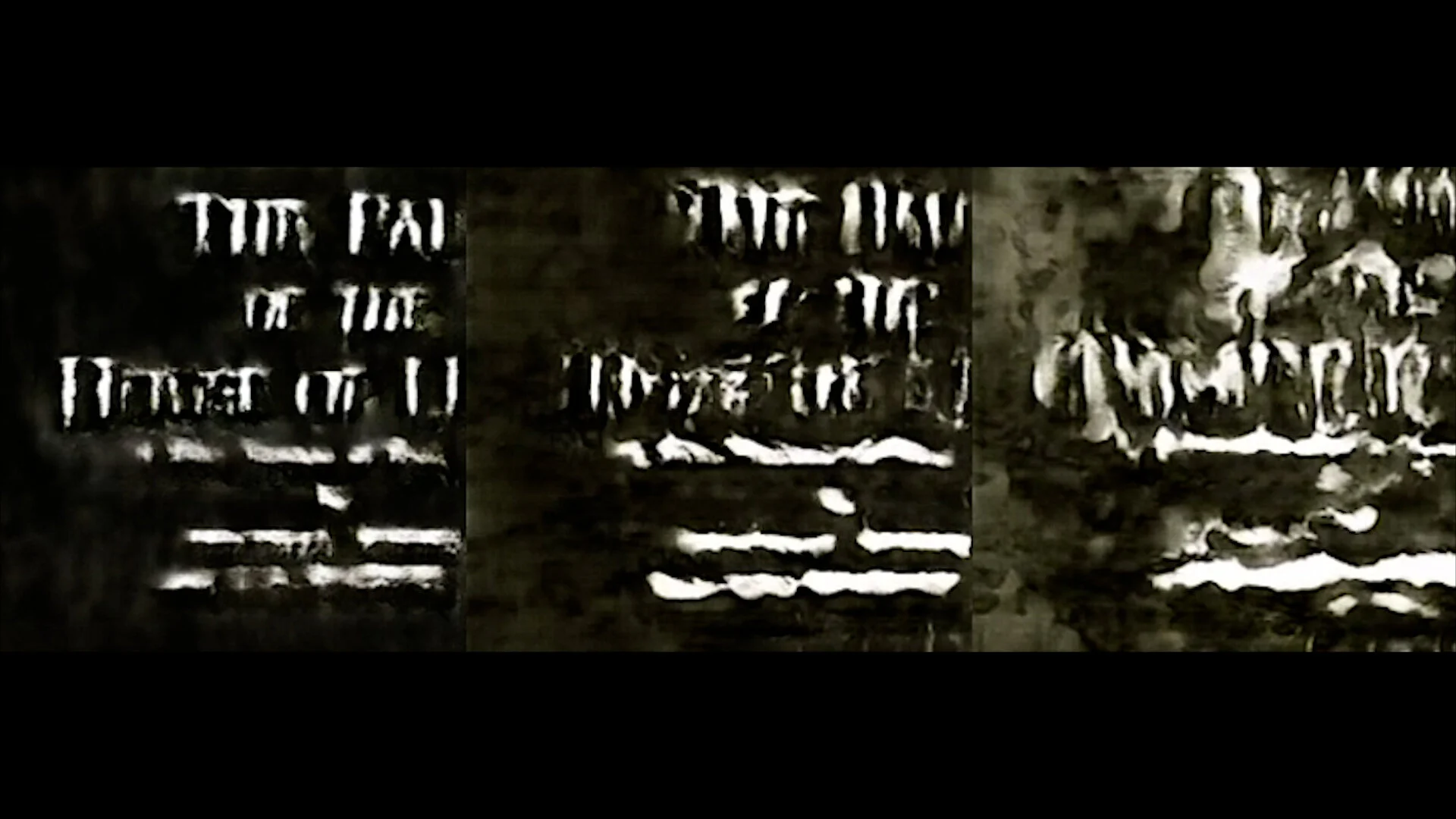 , at a moment when it was still possible to train on an entirely hand-created dataset
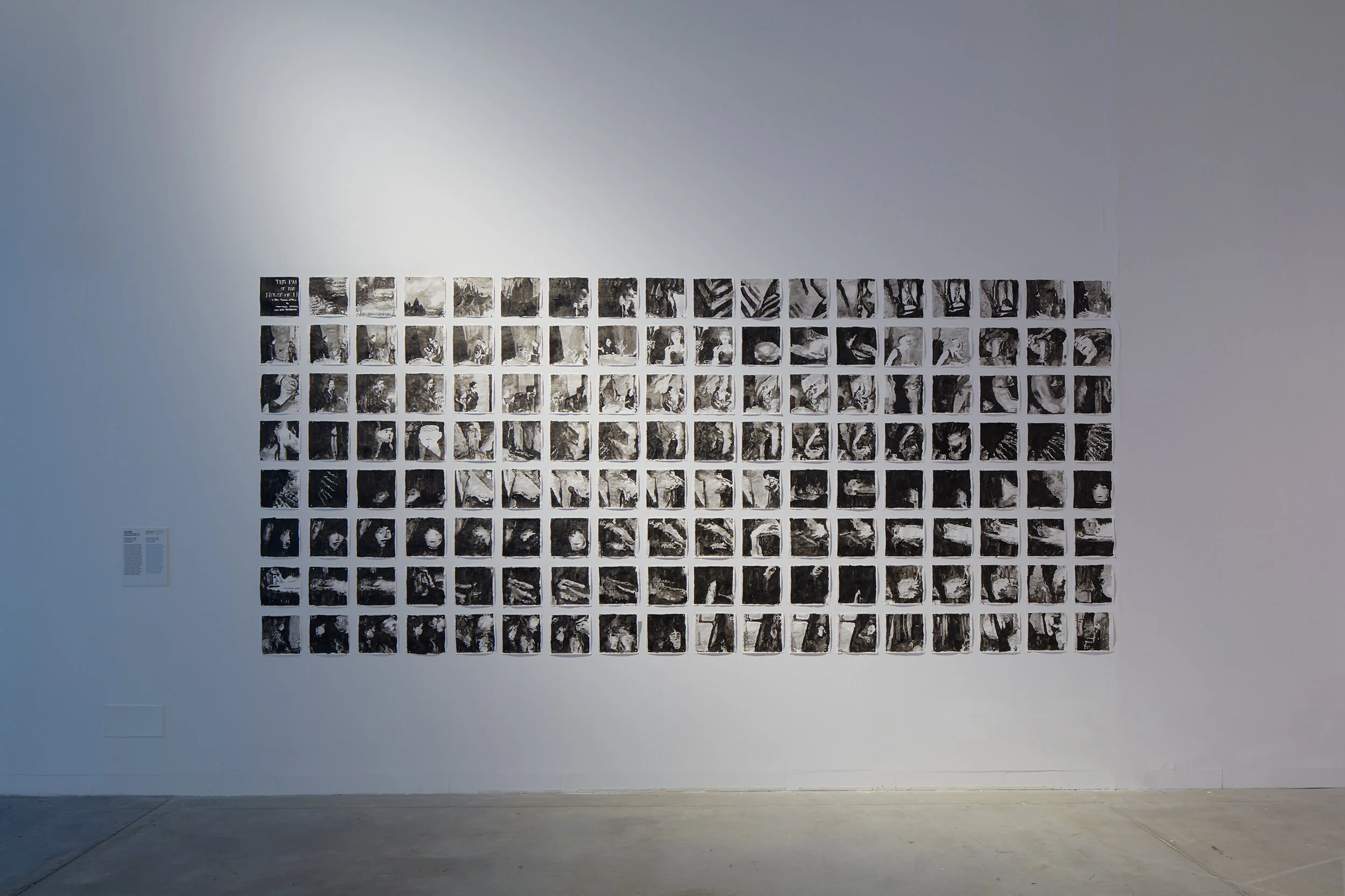 , a method that became the foundation of the practice. Her critical writing, including essays on financial speculation, ecological time and the politics of the dataset, is published across a range of platforms and journals.
Her most recognised works connect seventeenth-century Dutch tulip speculation
, a method that became the foundation of the practice. Her critical writing, including essays on financial speculation, ecological time and the politics of the dataset, is published across a range of platforms and journals.
Her most recognised works connect seventeenth-century Dutch tulip speculation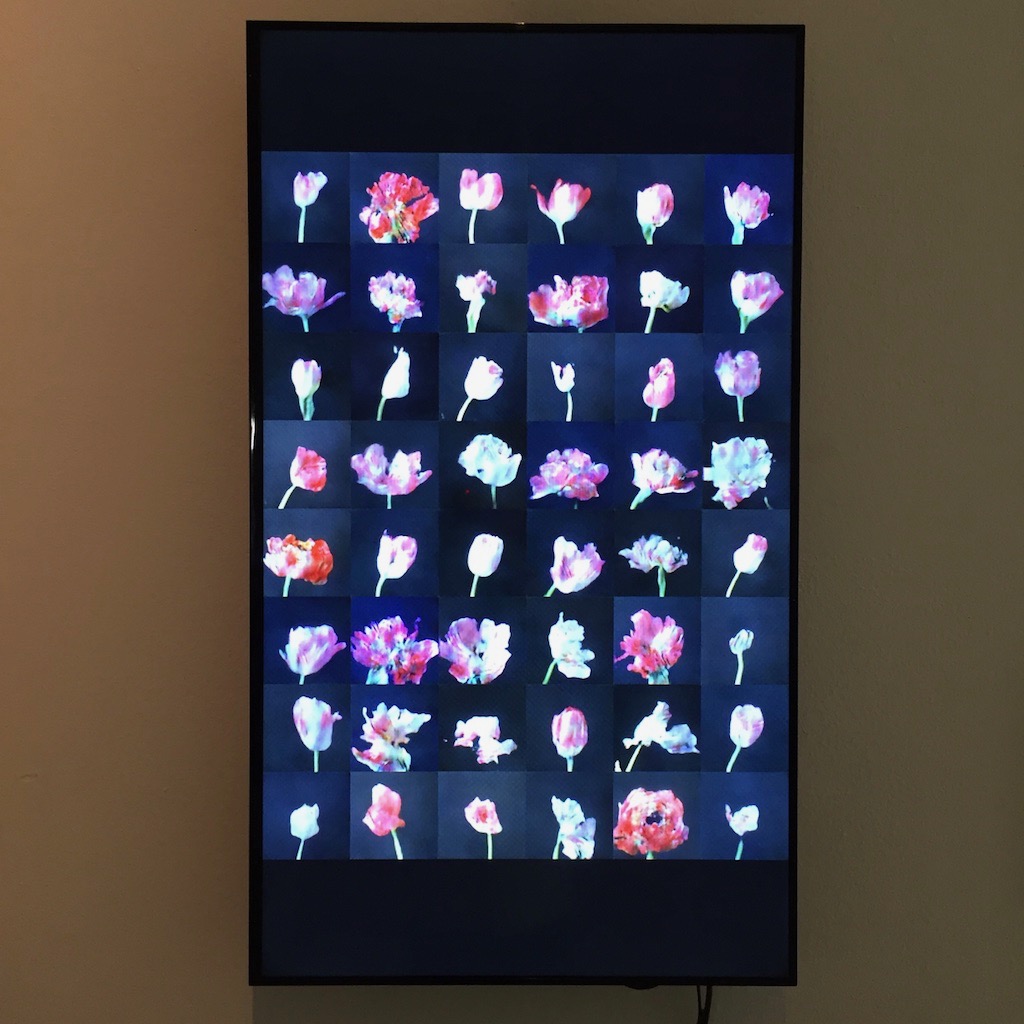 to contemporary cryptocurrency markets
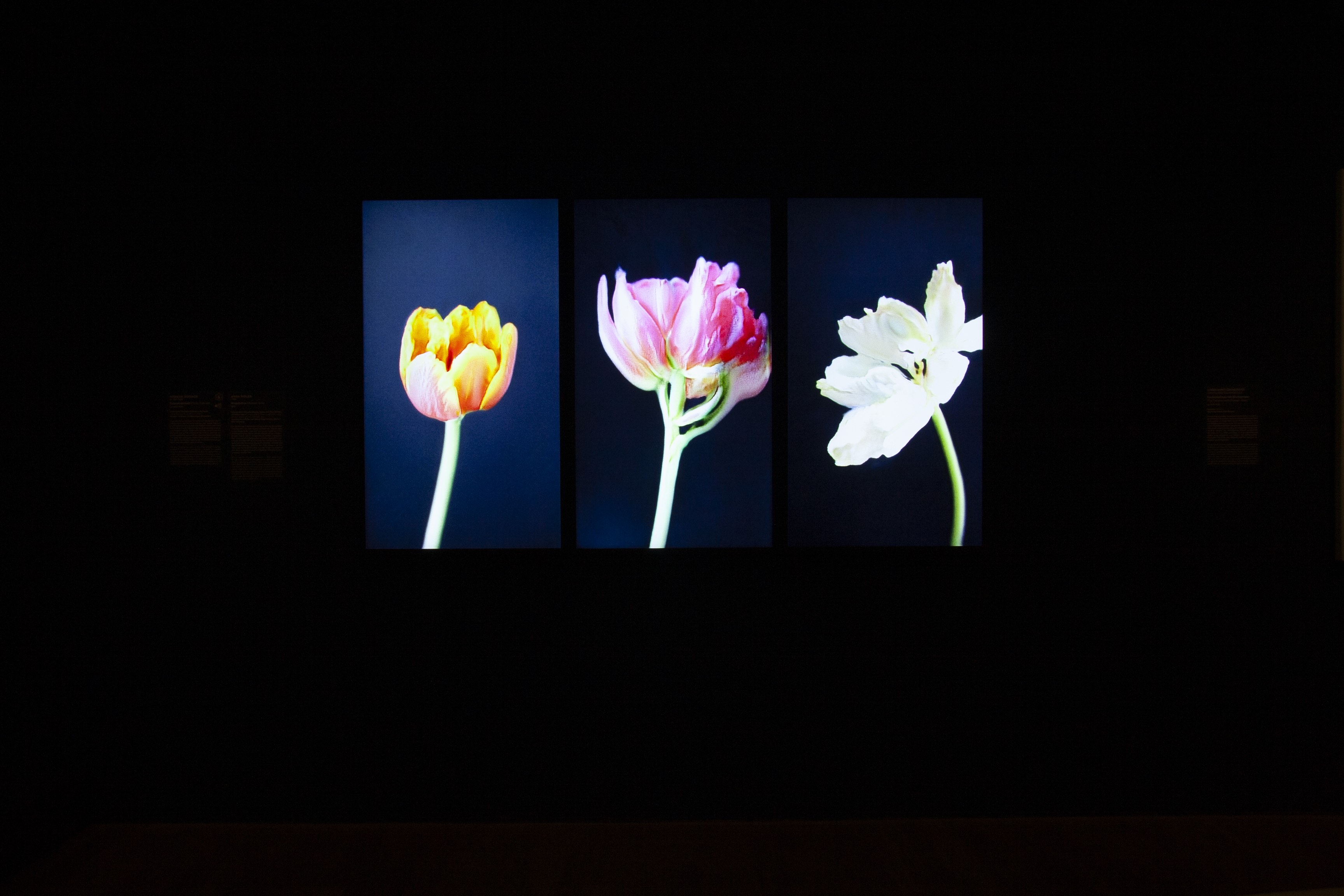 . A neural network trained on those hand-labelled photographs
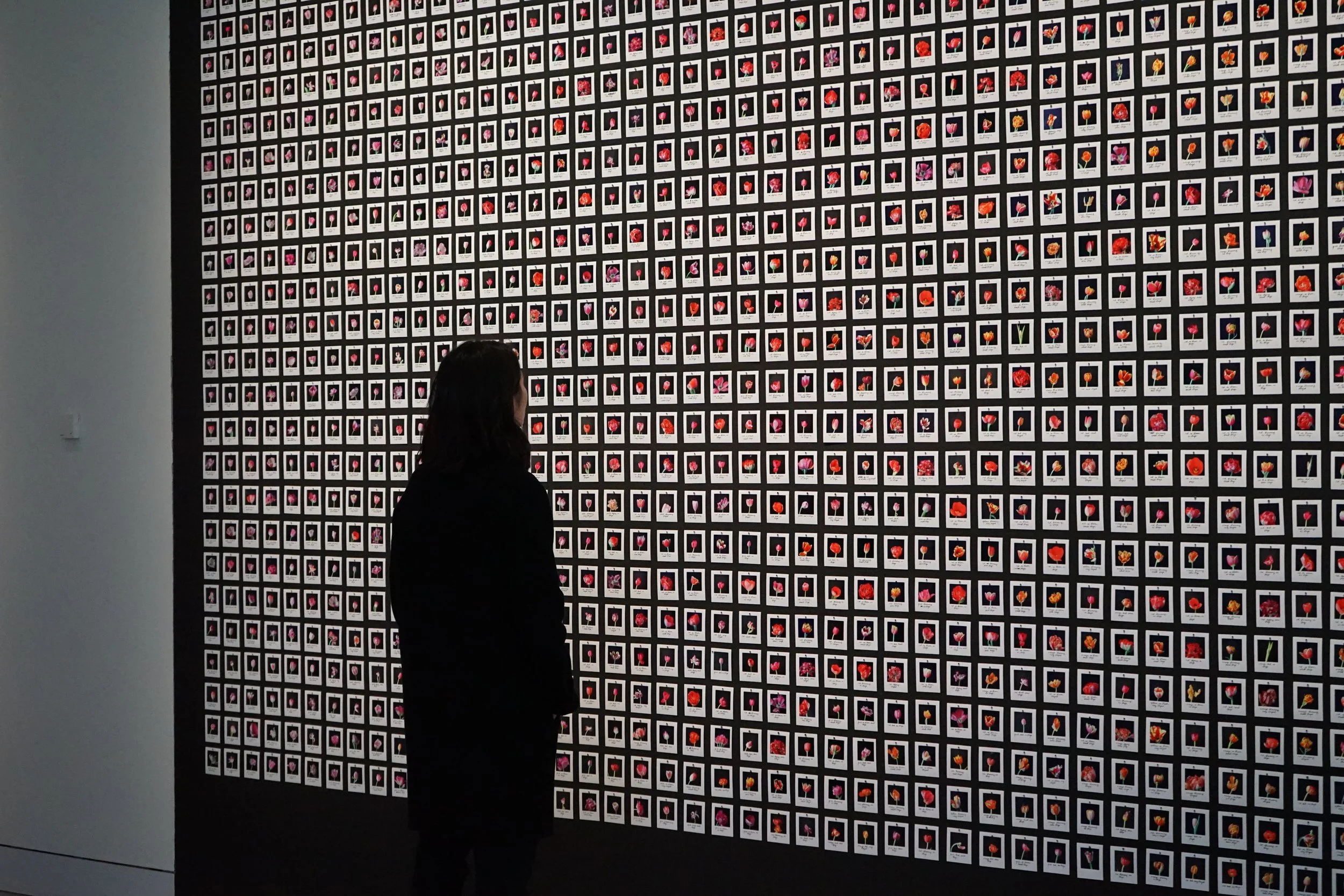 , for example, generates images whose form is controlled by the price of Bitcoin — both systems driven by the same logic of value divorced from physical reality. Botanical taxonomy
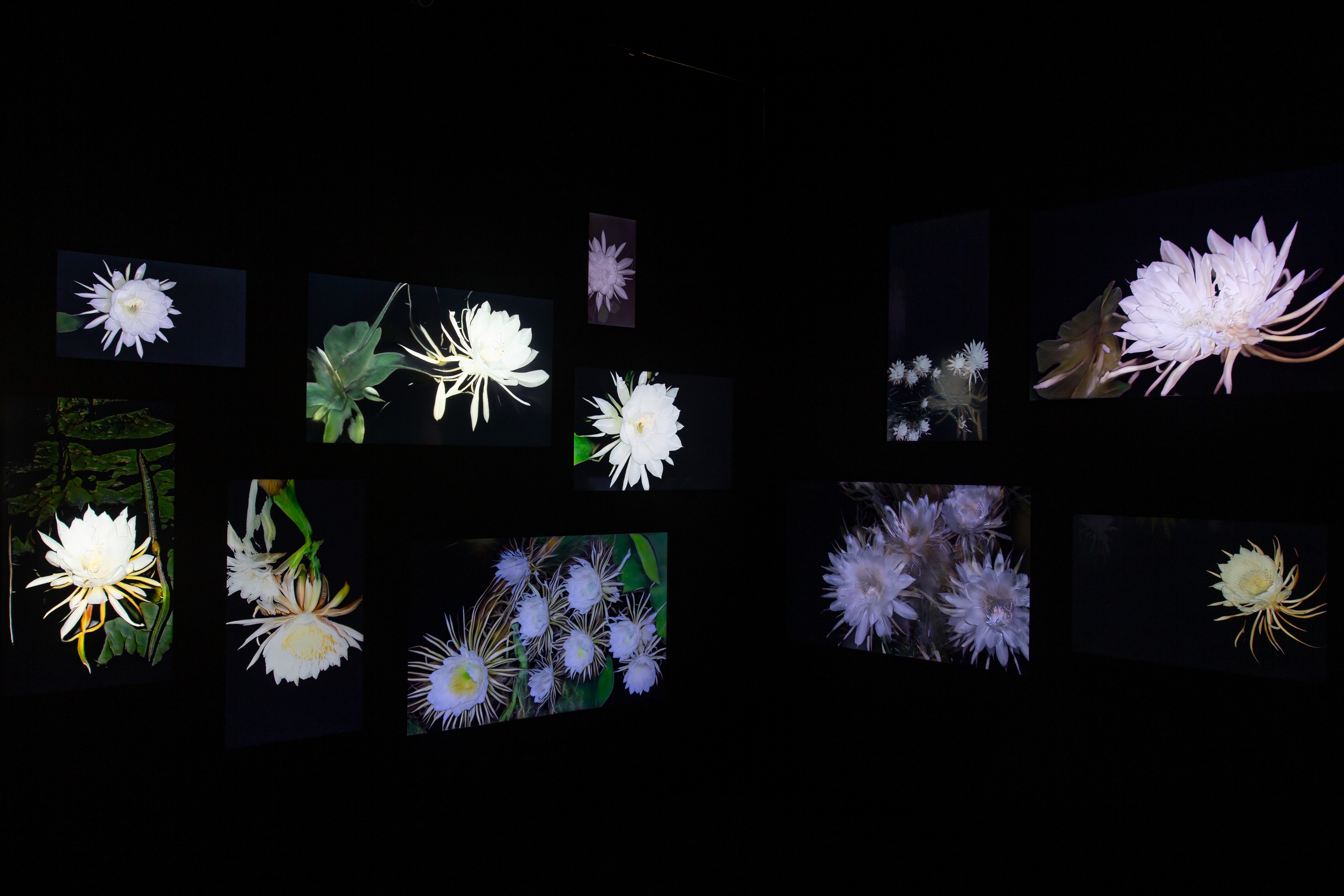 , financial instruments, temporal systems
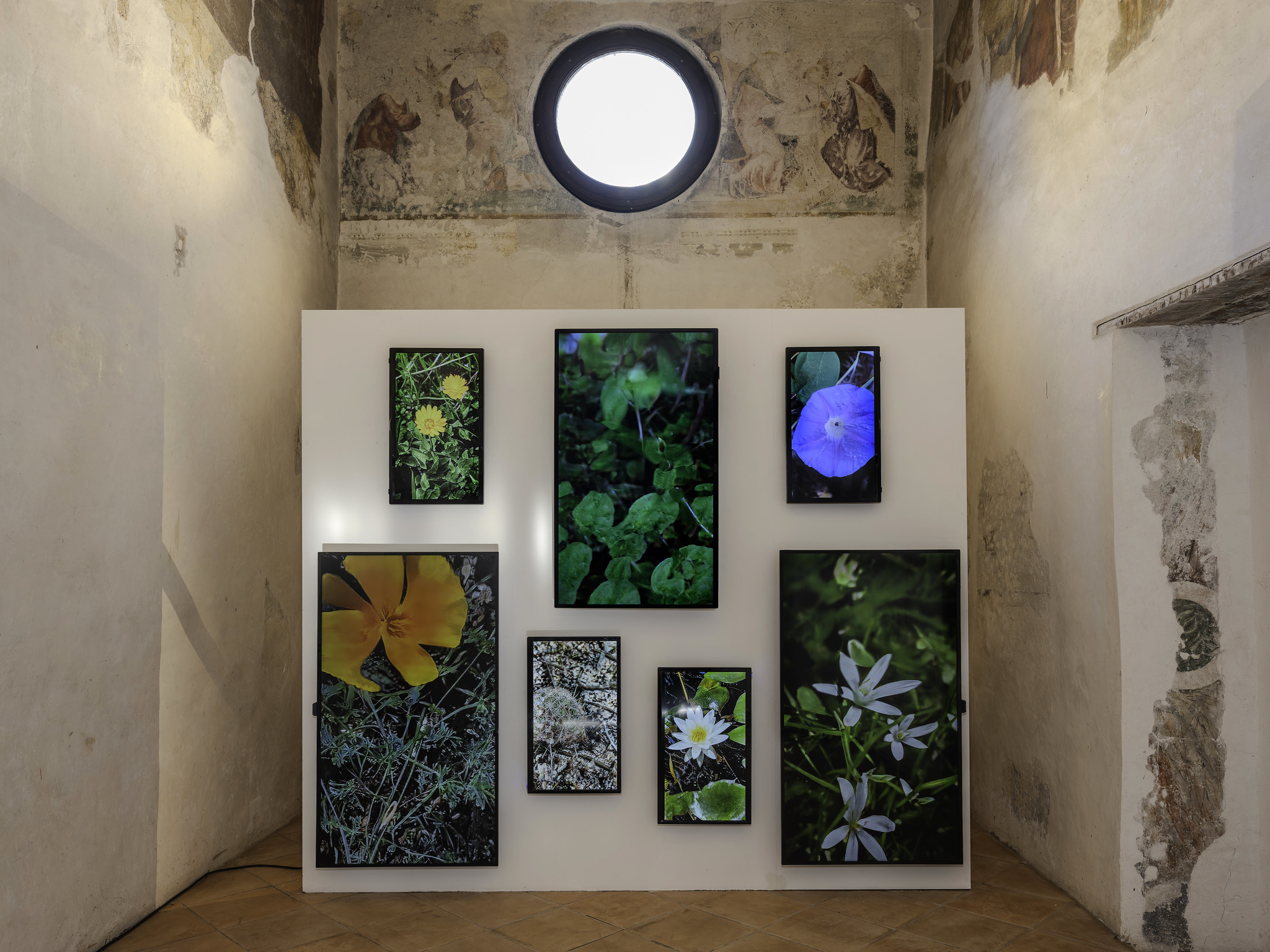 and machine-vision algorithms
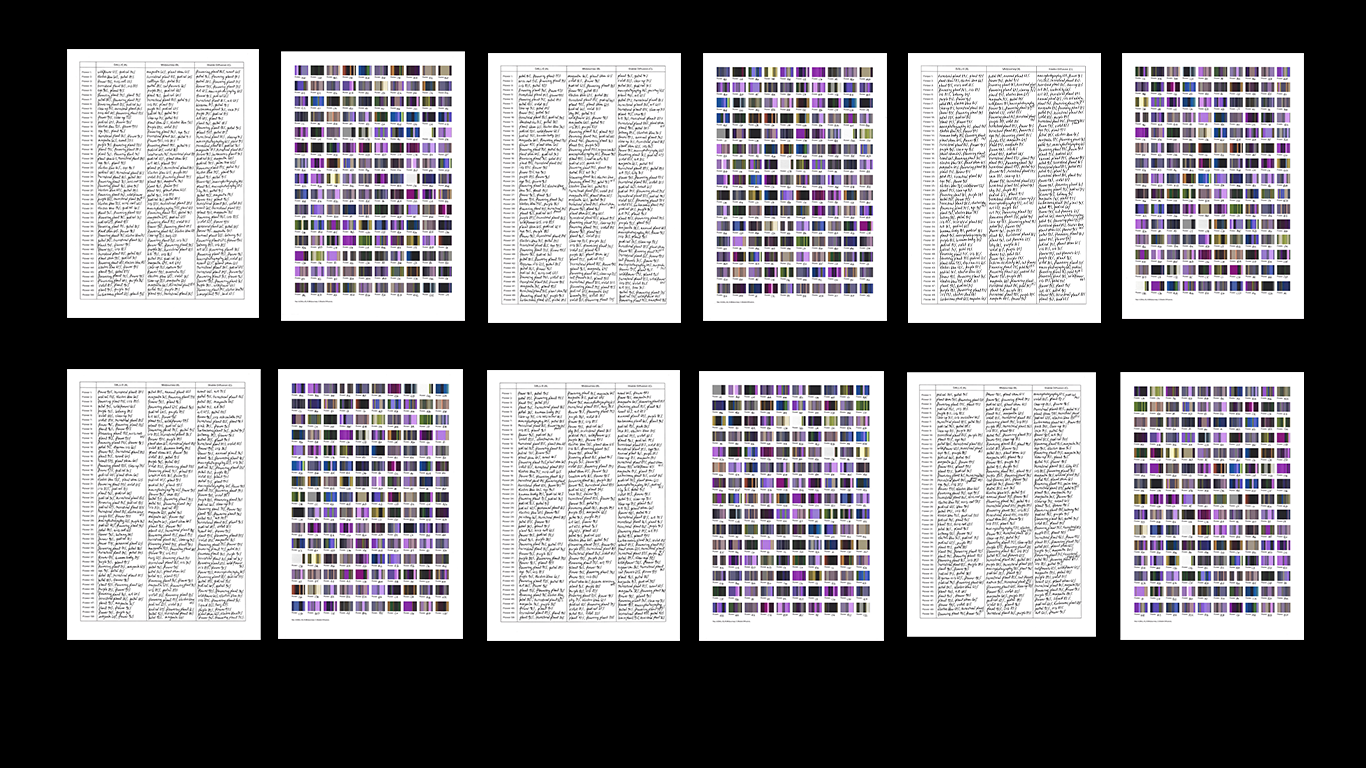 surface, across the practice, as parallel structures for the same underlying operation: the imposition of order onto the living world and the extraction of value from it. Much of the work is designed to resist that operation from within its own infrastructure - NFTs programmed to disappear after a week
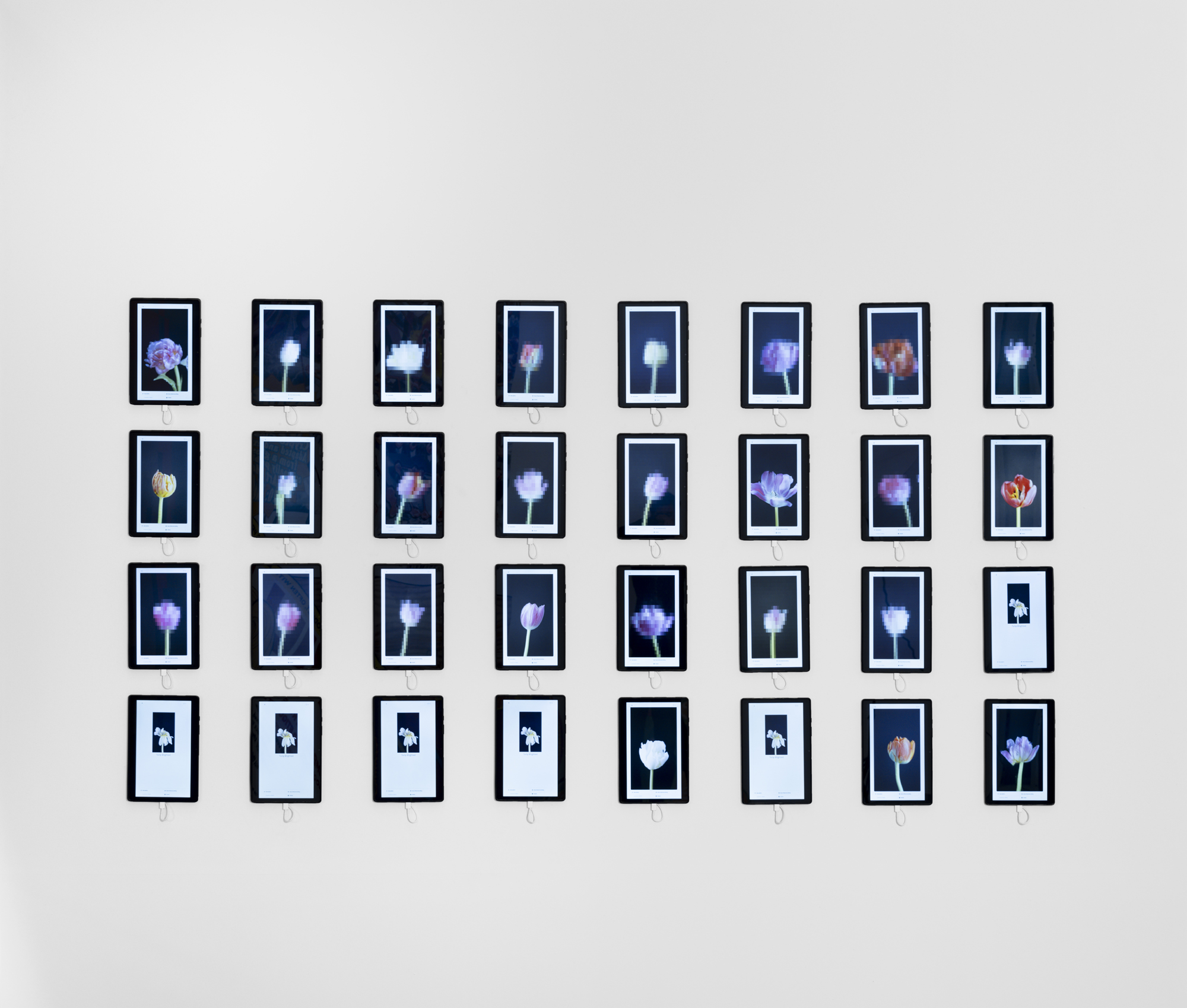 , works impossible to sell above their original price
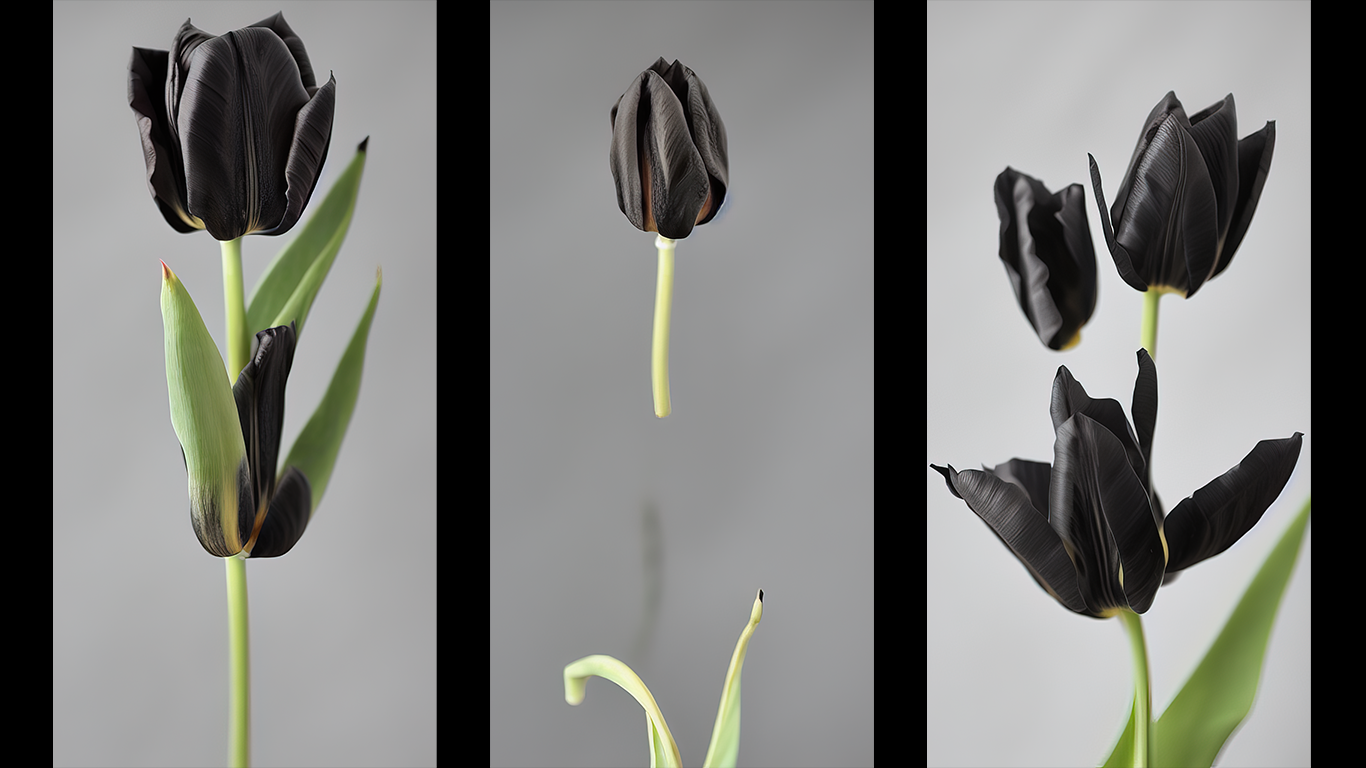 , tokens that can only be traded at the hour of low tide
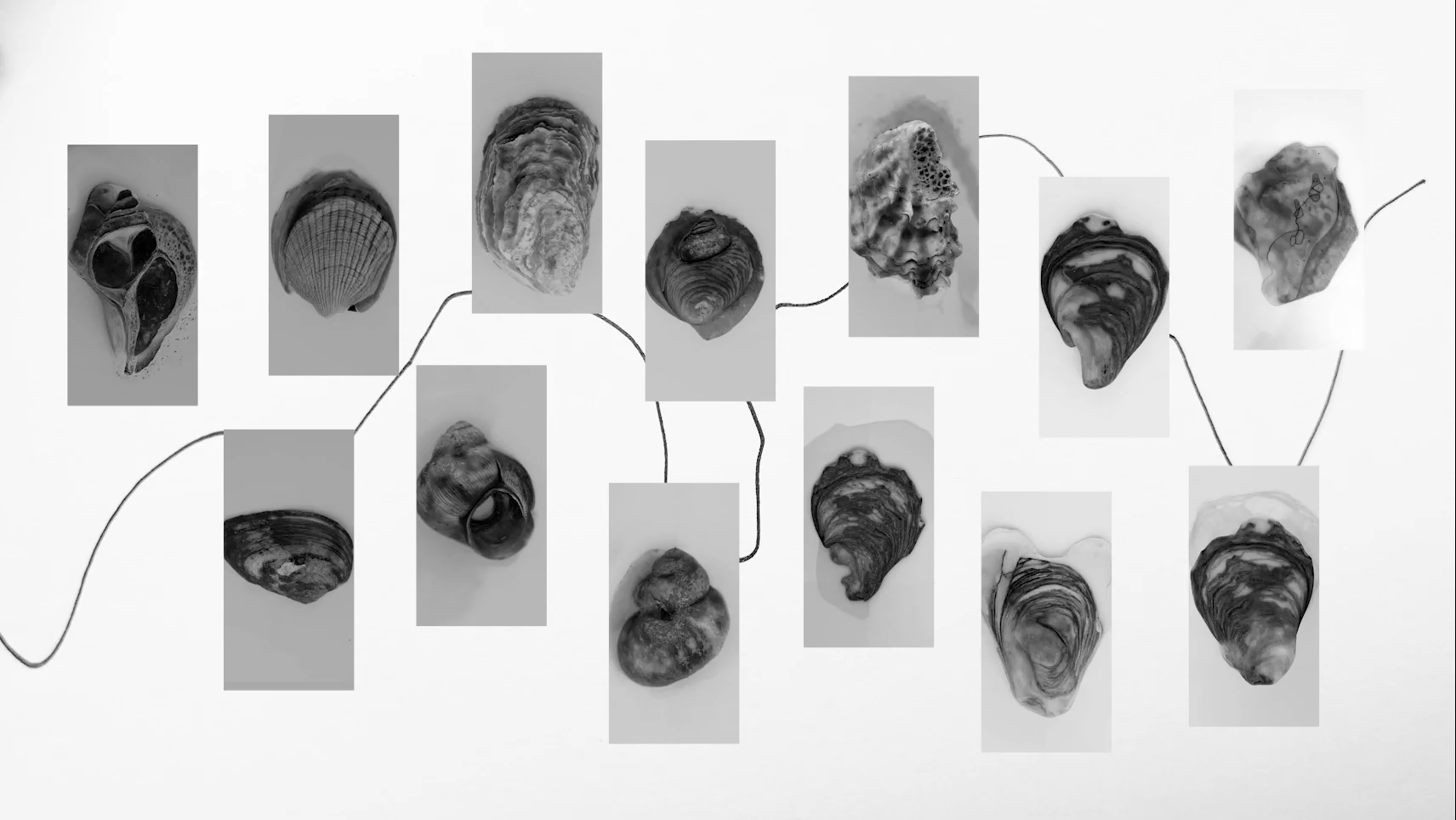 - introducing deliberate friction into the systems it critiques rather than merely describing them.
Her work is held in the permanent collections of the Whitney Museum of American Art, the Victoria and Albert Museum, M+ Hong Kong and ZKM Karlsruhe. Recent solo exhibitions include Time Blooms at the Buk Seoul Museum of Art (2025) and Circadian Bloom at ZKM Karlsruhe (2023). Recent commissions include works for the Schwarzman Centre for the Humanities at the University of Oxford (2026), Kunsthaus Graz and Diriyah Art Futures, Riyadh. She has exhibited at the Barbican Centre, the Taipei Fine Arts Museum and the MIT Museum. She is represented by Galerie Nagel Draxler.
Ridler was named ABS Digital Artist of the Year in 2025. She holds an MA from the Royal College of Art and a BA in English Literature from Oxford University, and was a European Union EMAP fellow and the winner of the 2018-2019 DARE Art Prize.
- introducing deliberate friction into the systems it critiques rather than merely describing them.
Her work is held in the permanent collections of the Whitney Museum of American Art, the Victoria and Albert Museum, M+ Hong Kong and ZKM Karlsruhe. Recent solo exhibitions include Time Blooms at the Buk Seoul Museum of Art (2025) and Circadian Bloom at ZKM Karlsruhe (2023). Recent commissions include works for the Schwarzman Centre for the Humanities at the University of Oxford (2026), Kunsthaus Graz and Diriyah Art Futures, Riyadh. She has exhibited at the Barbican Centre, the Taipei Fine Arts Museum and the MIT Museum. She is represented by Galerie Nagel Draxler.
Ridler was named ABS Digital Artist of the Year in 2025. She holds an MA from the Royal College of Art and a BA in English Literature from Oxford University, and was a European Union EMAP fellow and the winner of the 2018-2019 DARE Art Prize.
, at a moment when it was still possible to train on an entirely hand-created dataset, a method that became the foundation of the practice. Her critical writing, including essays on financial speculation, ecological time and the politics of the dataset, is published across a range of platforms and journals.
Her most recognised works connect seventeenth-century Dutch tulip speculation to contemporary cryptocurrency markets. A neural network trained on those hand-labelled photographs, for example, generates images whose form is controlled by the price of Bitcoin — both systems driven by the same logic of value divorced from physical reality. Botanical taxonomy, financial instruments, temporal systems and machine-vision algorithms surface, across the practice, as parallel structures for the same underlying operation: the imposition of order onto the living world and the extraction of value from it. Much of the work is designed to resist that operation from within its own infrastructure - NFTs programmed to disappear after a week, works impossible to sell above their original price, tokens that can only be traded at the hour of low tide - introducing deliberate friction into the systems it critiques rather than merely describing them.
Her work is held in the permanent collections of the Whitney Museum of American Art, the Victoria and Albert Museum, M+ Hong Kong and ZKM Karlsruhe. Recent solo exhibitions include Time Blooms at the Buk Seoul Museum of Art (2025) and Circadian Bloom at ZKM Karlsruhe (2023). Recent commissions include works for the Schwarzman Centre for the Humanities at the University of Oxford (2026), Kunsthaus Graz and Diriyah Art Futures, Riyadh. She has exhibited at the Barbican Centre, the Taipei Fine Arts Museum and the MIT Museum. She is represented by Galerie Nagel Draxler.
Ridler was named ABS Digital Artist of the Year in 2025. She holds an MA from the Royal College of Art and a BA in English Literature from Oxford University, and was a European Union EMAP fellow and the winner of the 2018-2019 DARE Art Prize.