Circadian Bloom
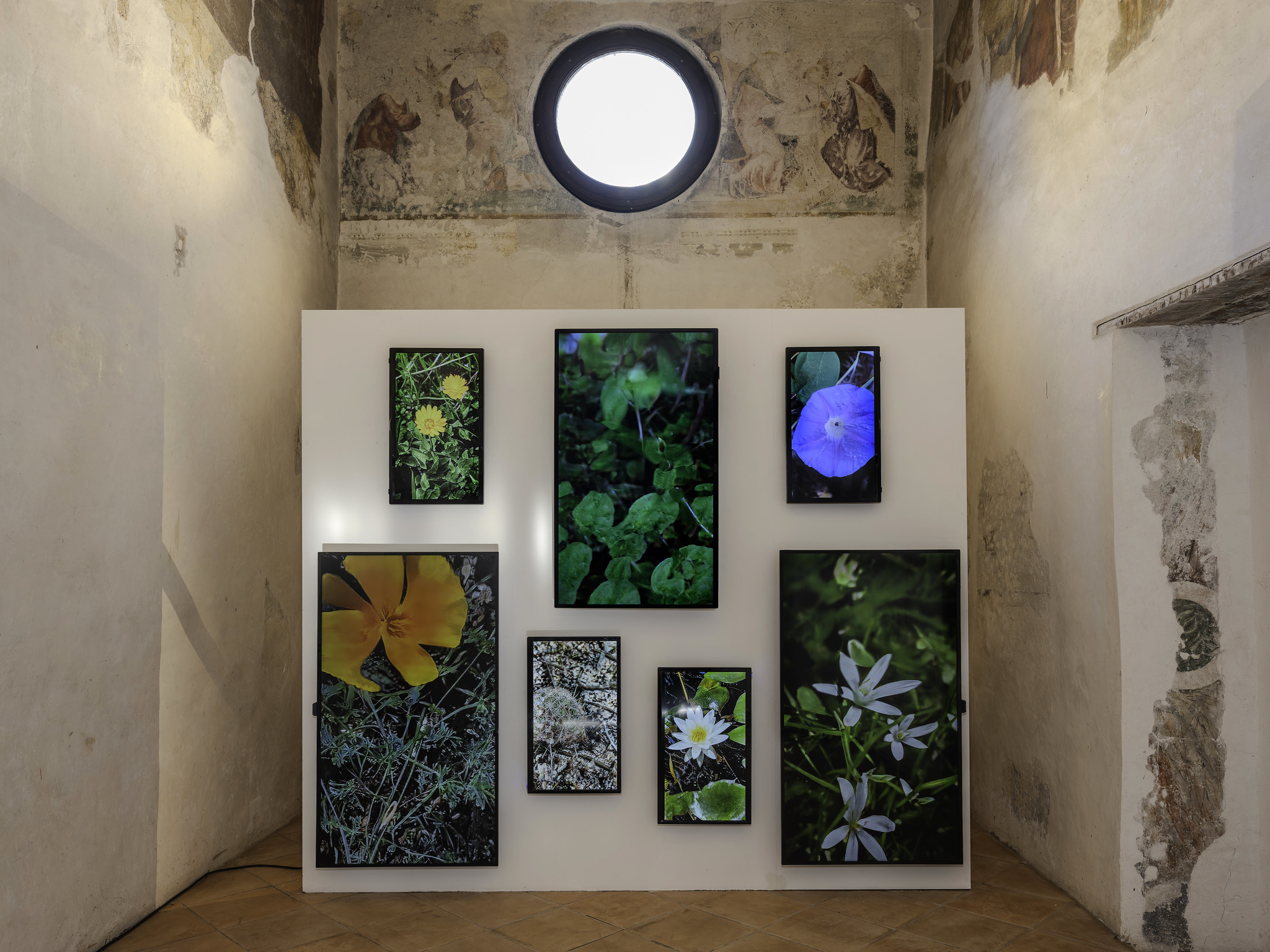

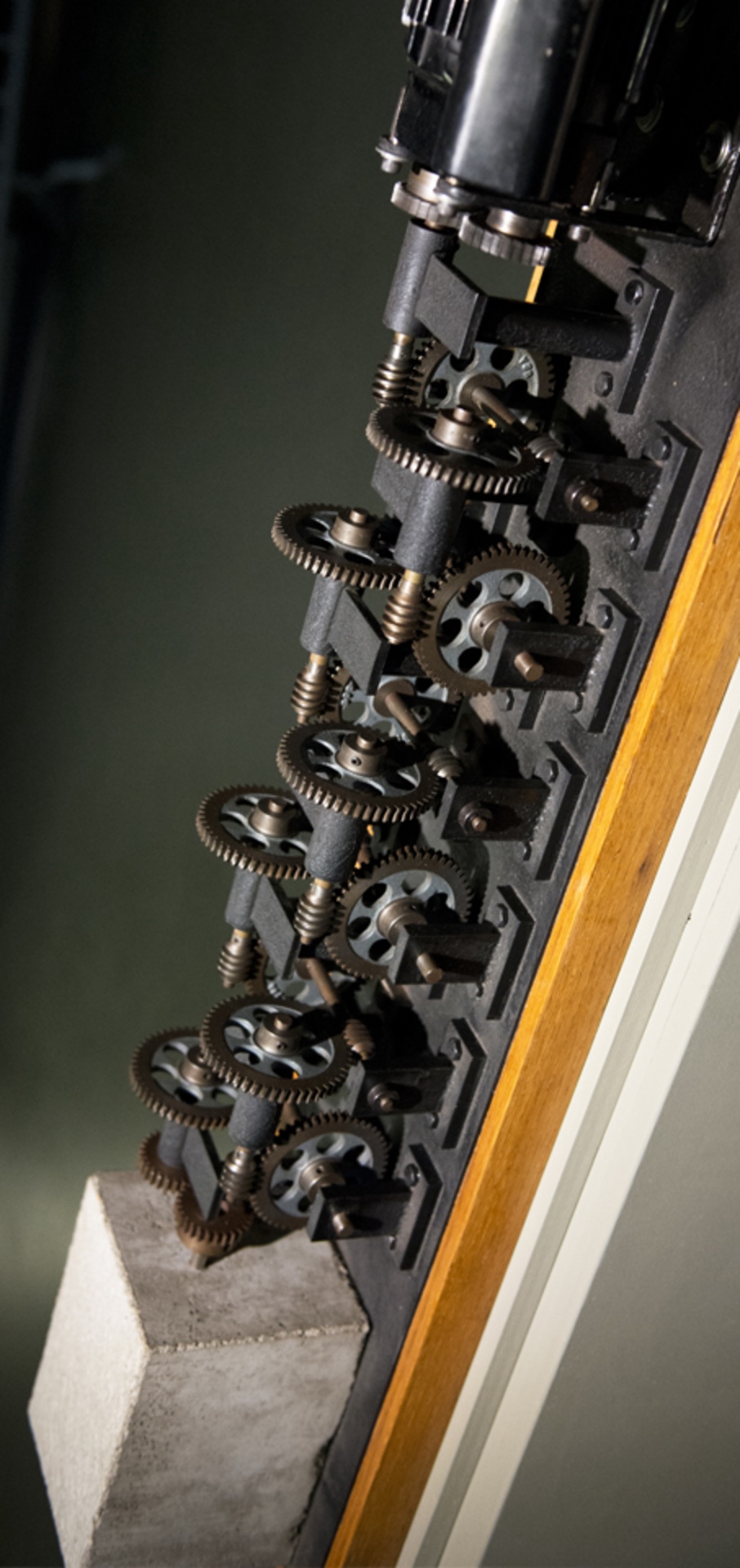
Circadian Bloom is a screen-based visual clock that tells the time through flowers. Inspired by Carl Linneas's concept of a flower clock, a planted garden that would tell the time through the circadian rhythms of plants, this piece shows flowers that have this quality of being able to keep time, blooming at the appropriate point of the day. Constructed using a series of complex algorithms and working with a machine that can keep time to an atomic level, visually it obscures this accuracy and forces the viewer to contemplate non-human ways of telling time and how conceptually how time works. Technology (and science) is hugely reliant on being able to keep standard, accurate time. Every computer either uses a quartz crystal clock contained within it or syncs to a cesium atomic clock to maintain micro second level time. It is necessary for most computational processes to work. There is something quite absurd about taking this accuracy and visually obscuring it so that the resulting clock can only really be understood as such as long periods of observation over days or months, revealing that it is not just visuals of flowers but something that is in sync with the natural landscape. Advancements in timekeeping have been driven by commercial reasons and the necessity for people & places to coordinate, evolving from being linked to natural cycles (sun, moon, seasons) to something mechanical, reproducible and split into smaller and smaller units. Language and metaphors are needed to talk about the climate crisis that sit outside of the systems that have helped lead to it; this project is the start of an exploration into this and a way to think about non-human ways of keeping time.
Artist Notes (Thoughts & Process)
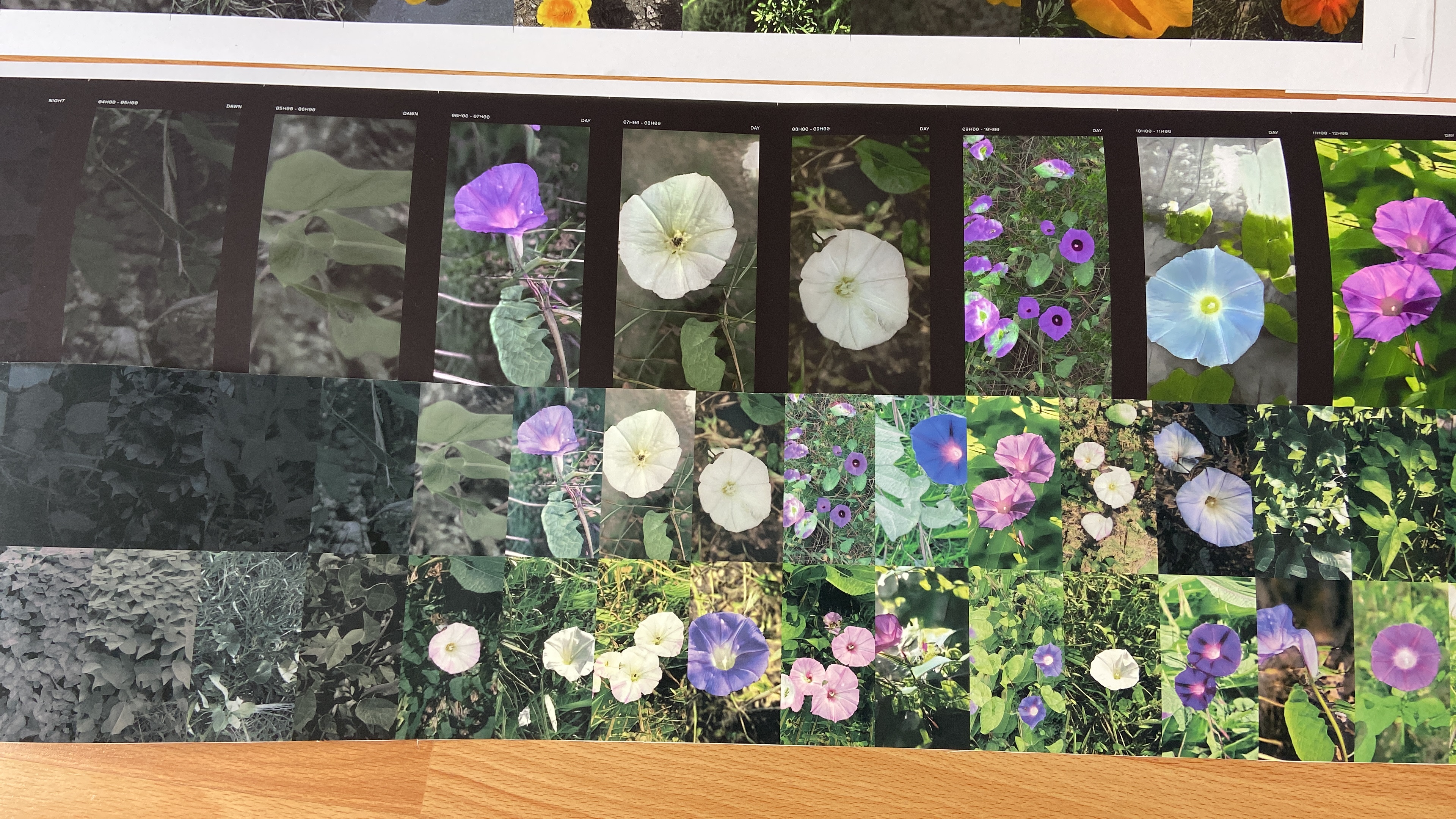
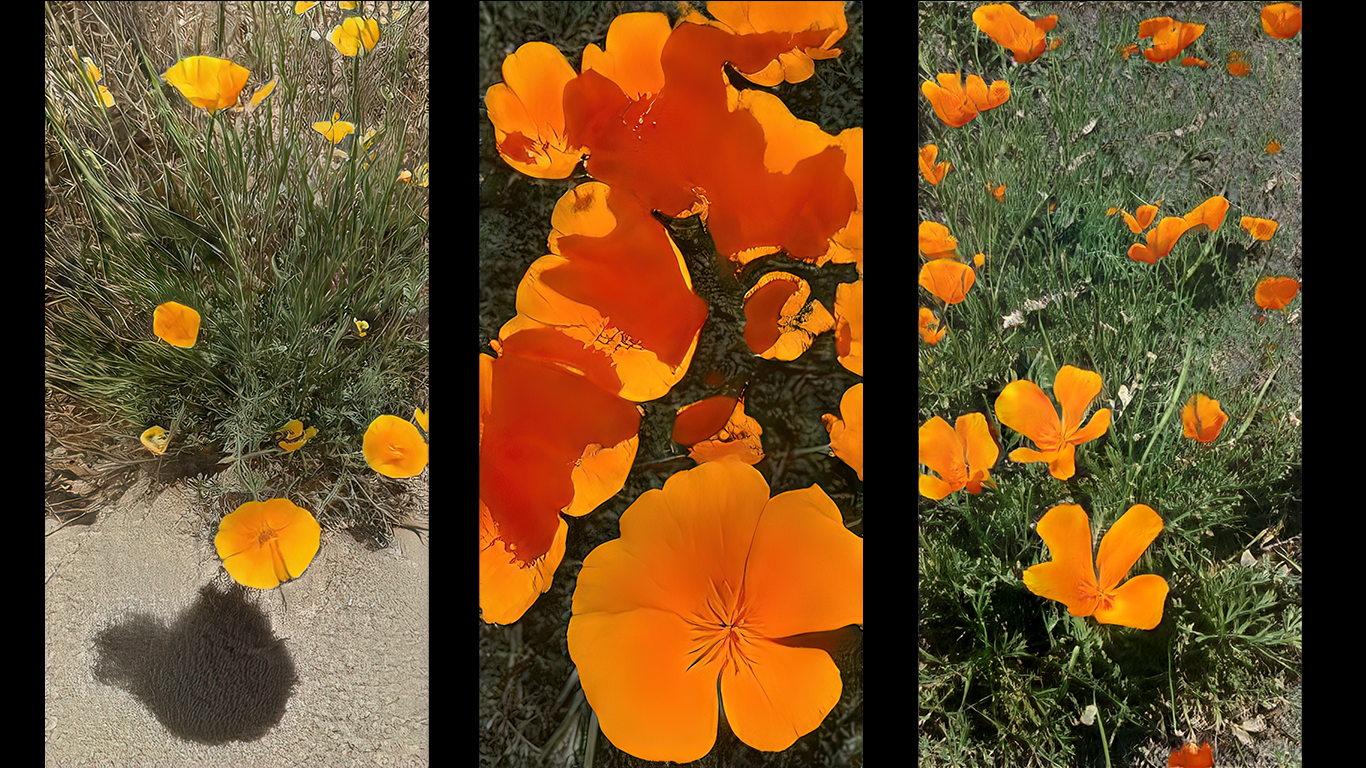
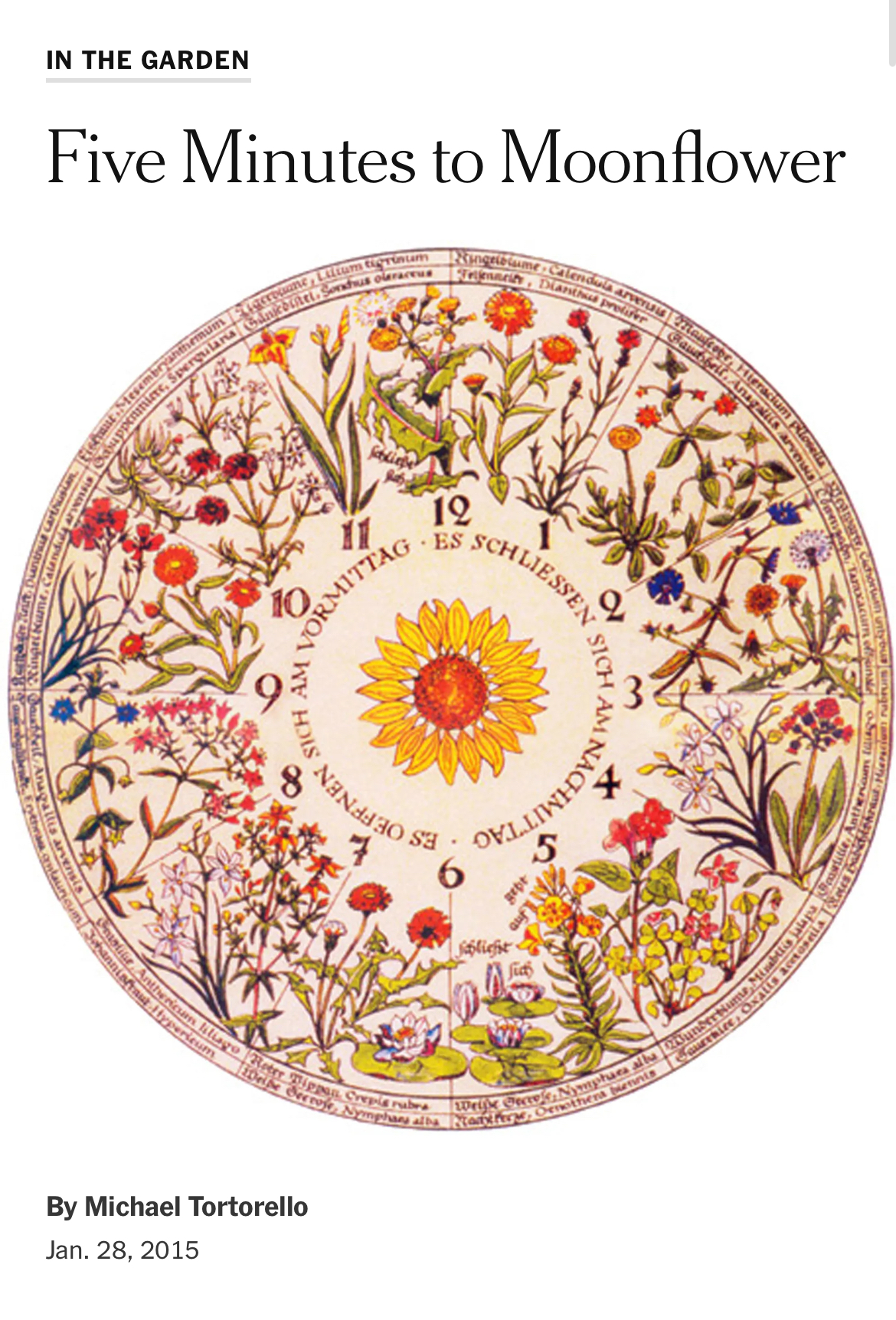
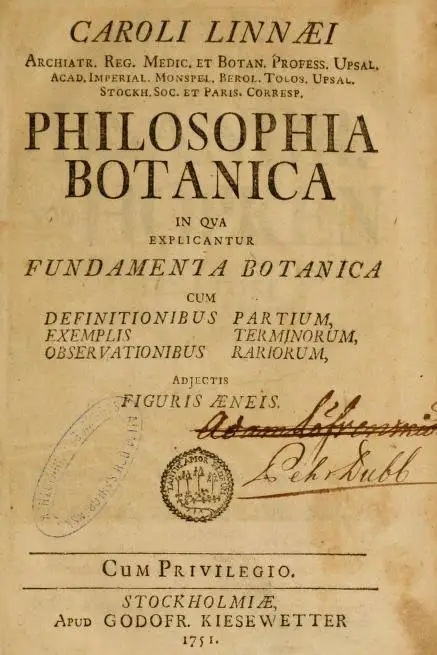
Circadian Bloom is an ongoing project that is the start of an exploration into ideas around other, non-human ways of keeping time. In this iteration, each screen is filled with an image of a plant that has a particular type of chronobiological clock - one that will consistently open and close its flowers at fixed times of the day - so that the piece essentially works like a kind of clock. These plants behave this way regardless of external stimuli - for example: a night-blooming cactus will only bloom at night, even if it is exposed to darkness during the daytime and light at night; a morning glory moved into permanent darkness will still flower in the mornings. The clock is designed to start at dawn and end at dusk, and changes daily to reflect the precise longitude and latitude it is programmed for. Throughout the day the imagery of the different flowers evolve in real time in synchrony with their natural counterparts, blooming and closing at the correct time of day. Because the length of daylight changes throughout the year, looking at it at the same time will result in different flowers being shown (7am will be in darkness in winter months, but will be daylight in summer). Circadian Bloom harks back to an earlier, medieval way of constructing time in temporal hours when the hours of available daylight divided into twelve, so that an hour was dependent on when and where a person was. The project is inspired by Carl Linnaeus’ idea of a floral clock or “horologium florae'' that he proposed in his Philosophia Botanica in 1751 after observing this phenomenon of certain flowers opening and closing at set times of the day. But since then, the flower clock has remained, mostly, a concept. A flower’s circadian rhythm is “filled with complications” – geography, climate, light levels, seasonality all play a part – which makes it nearly impossible to grow a true horologium florae that would cover the entire day and function as a clock. But by working digitally, I am able to make it real and create a tension between the highly precise and accurate time keeping methods that sit inside computers and the impractical, imprecise images that result.
Exhibition Venues
Project Credits
Originally commissioned by The University of Salford Art Collection, the project has had further support from the Delfina Foundation
References and Inspiration
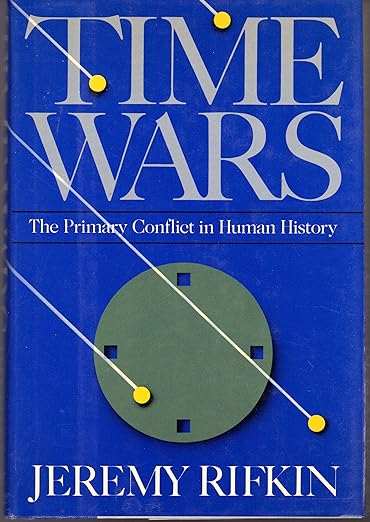 Jeremy Rifkin, Time Wars, 1987
Dissemination
This work is an edition of 5, with 2 AP. An edition is in the V&A Museum's permanent collection. In addition to the video works, the edition also contains 28 leperrellos, 4 for each flower that displaying them opening and shutting at the appropriate time of the day on the spring and autumn equinoxes and winter and summer soltices. All of the artwork is contained in a specially designed artist's box.