Circadian Nocturne
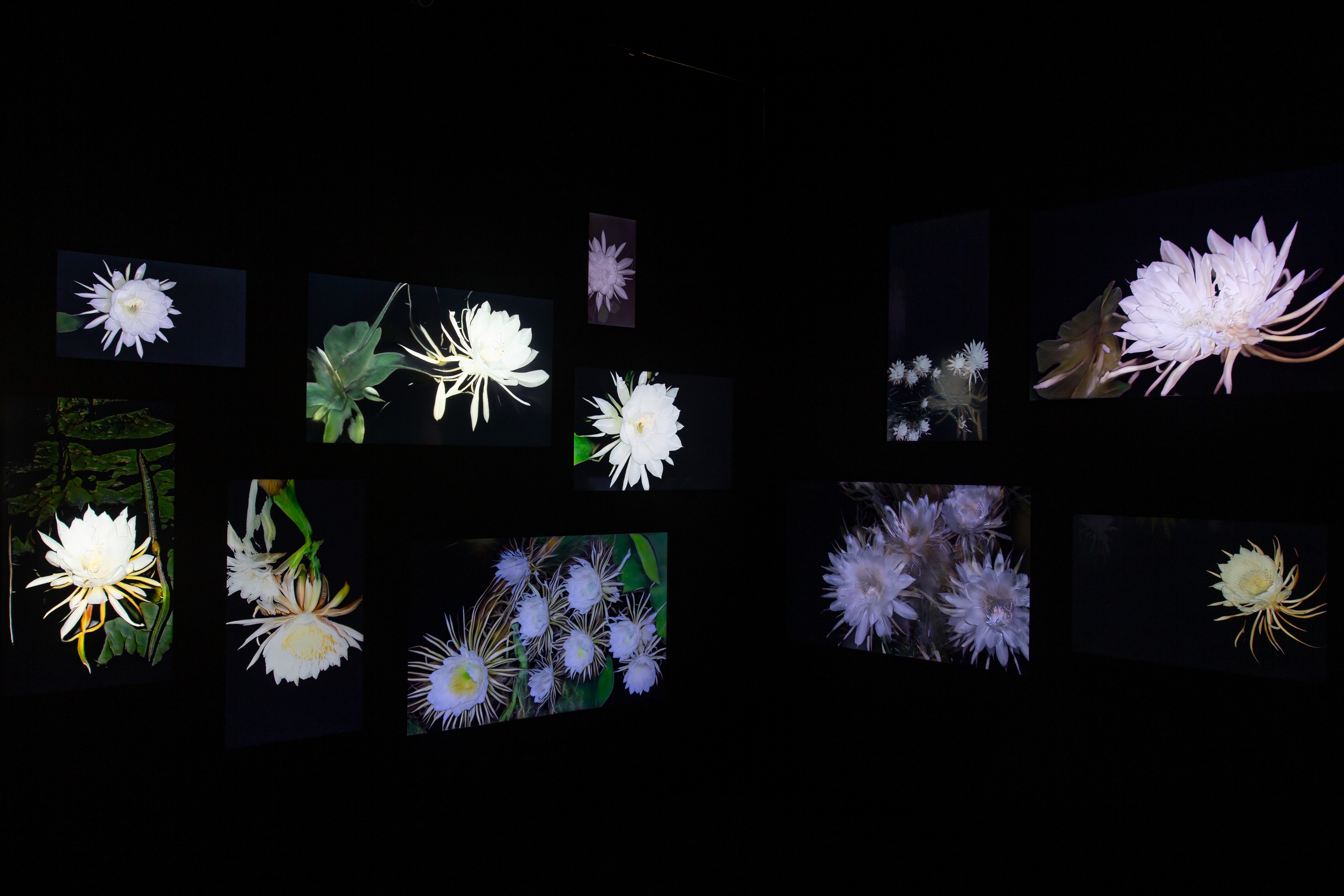
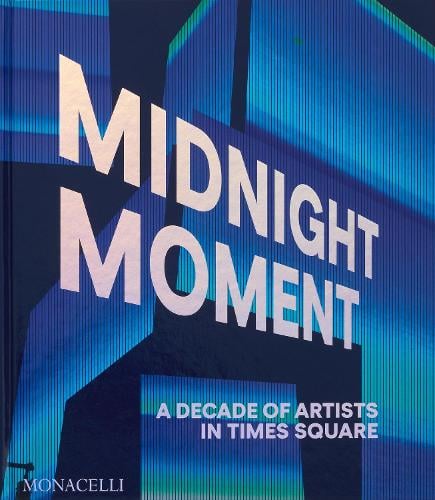
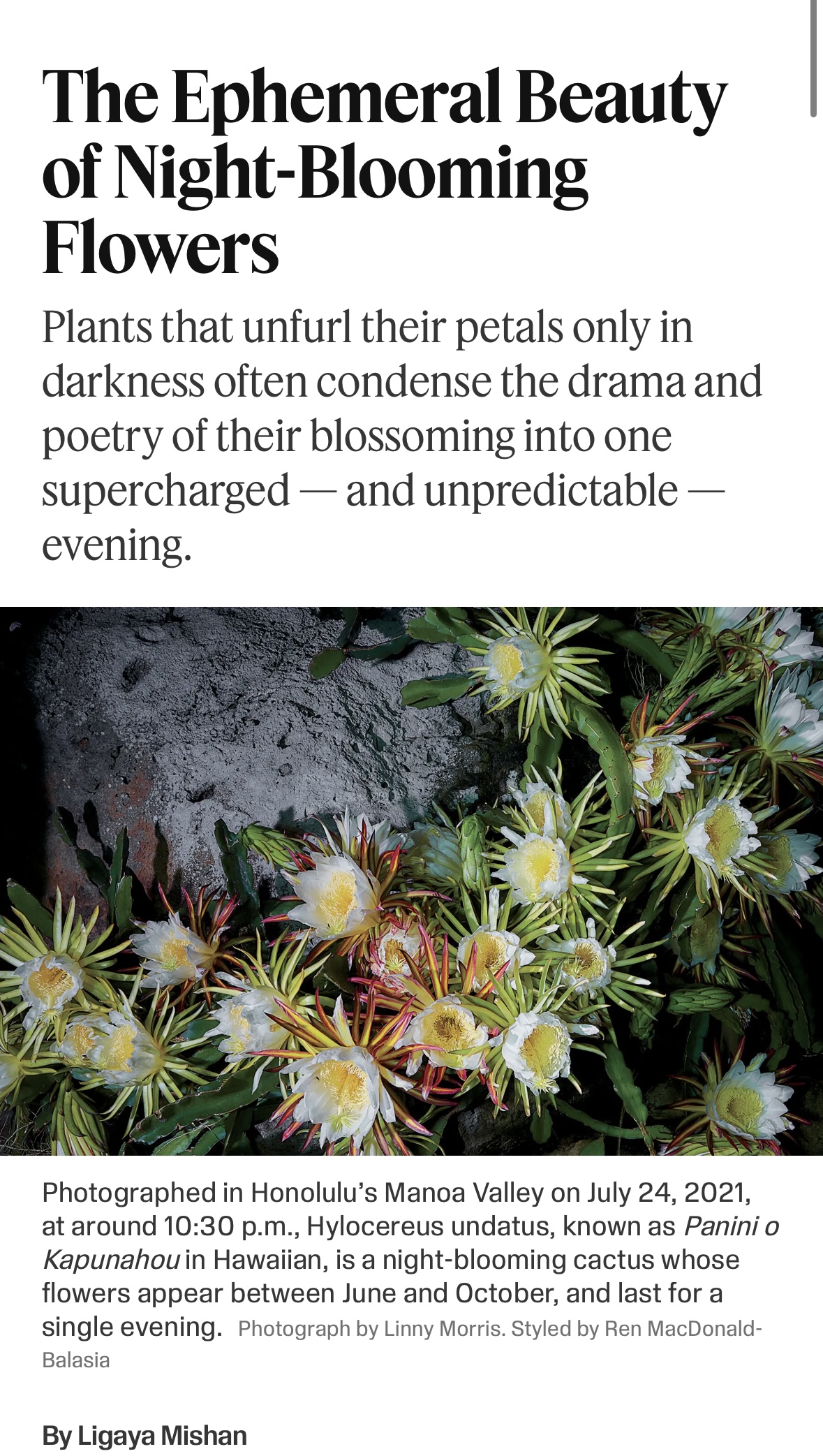
Circadian Nocturne (2023) is a large-scale video work featuring AI-generated animations of night-blooming and night-scented flora. The work takes its title from the nocturne, the musical form associated with the night and particularly Chopin, positioning the temporal arc of a flower's daily movement as a kind of score. The work is trained on thousands of botanical photographs, gathered and organised carefully over many months through research and consultation with botanists and scientific databases, including some flowers grown and photographed by the artist in her garden specifically for the project. There is no definitive list of night-blooming flowers; it is rarely deemed important to record. The resulting archive reflects a tradition of botanical illustration central to the practice since 2017: examining and classifying the natural world one image at a time. Originally commissioned for Times Square's Midnight Moment in October 2023, the work places flowers that evolved to bloom in darkness into a landscape defined by artificial light. Night-blooming flowers are typically white, their petals shaped to reflect the moon and appear luminous to the nocturnal pollinators they depend on. Here, the white petals, evolved to glow like the moon for creatures navigating by starlight, become simply more light.
Artist Notes (Thoughts & Process)
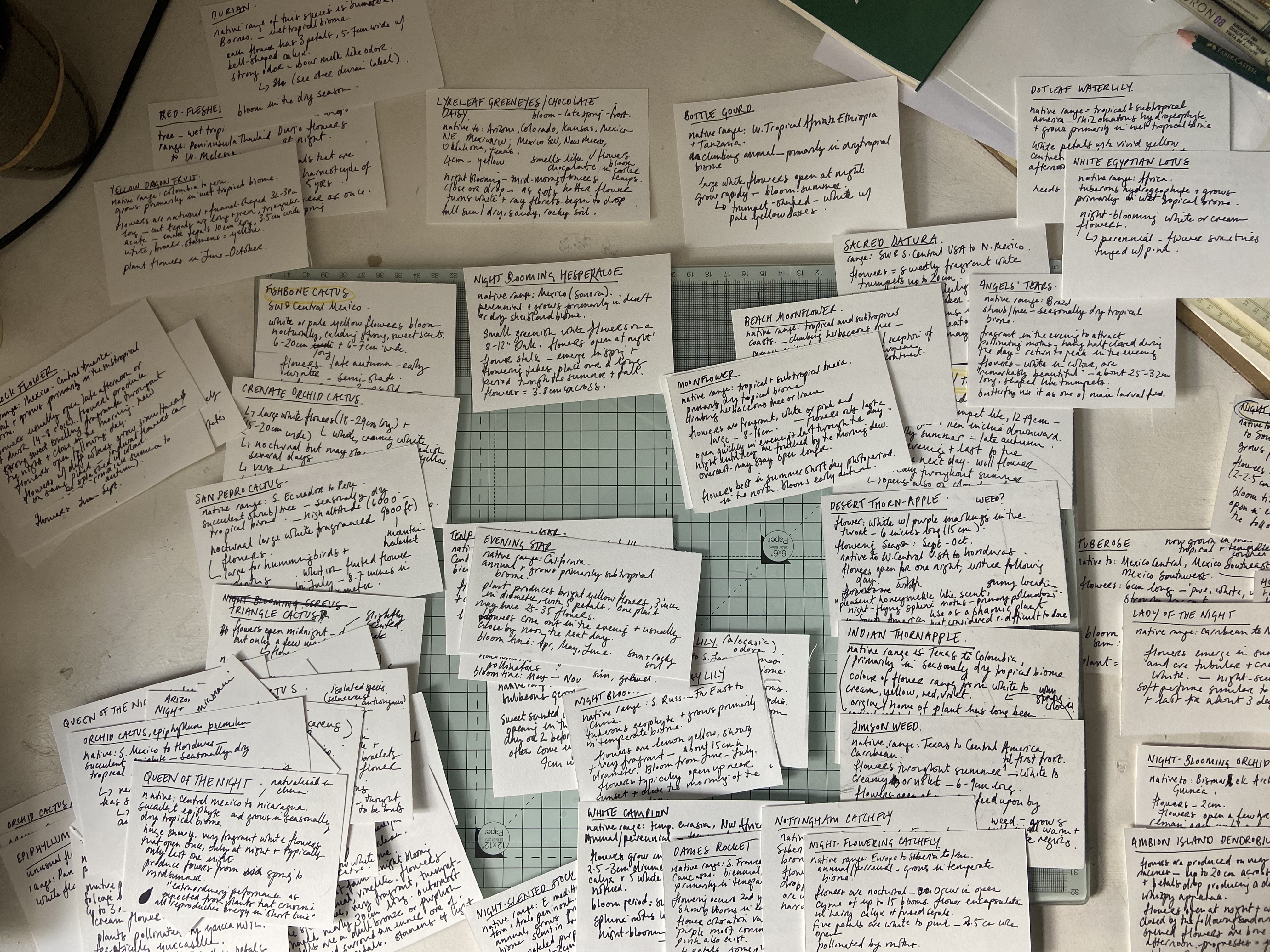
One of the first things I discovered is that there is no definitive list of night-blooming flowers as it hasn't been considered important enough to compile in any kind of systematic way (probably because there has been no economic value in doing so). But these are plants that have developed an entire evolutionary strategy around darkness and lunar light. I pieced a list together through conversations with botanists and scientists and by growing some of the flowers myself in my garden. Night-blooming flowers are almost always white. They need to be visible to the moths and beetles that pollinate them, which means they evolved to catch and reflect moonlight and to look, in the dark, as much like the moon as possible — so that the flower is doing something sort of cosmological in its own very small way. The original Times Square presentation was designed so that the flowers became enormous and that the human scale collapsed to something closer to an insect. There is a tradition of watch parties around night-blooming flowers — people gathering, sometimes in the hundreds, to wait through the night for a flower that will only be open for a few hours — which is something that I wanted to echo with the Times Square presentation which was only shown for three minutes at midnight.
Exhibition Venues
Featured In
References and Inspiration
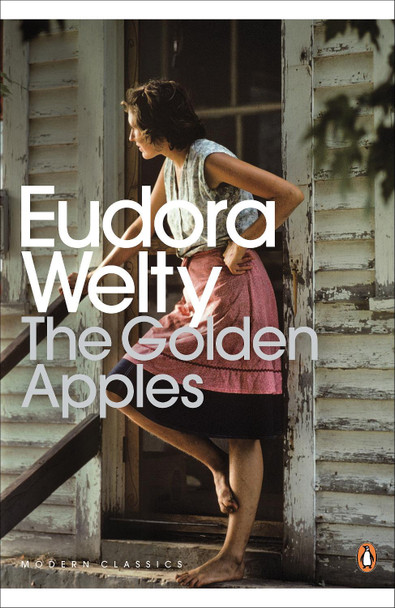 Eudora Welty, The Golden Apples, 1949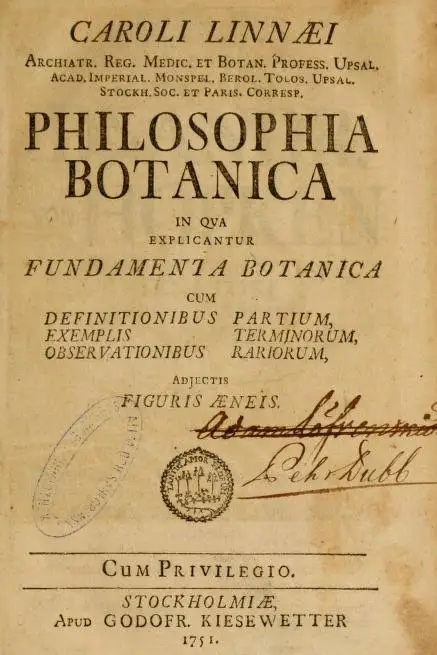
Dissemination
The app can be downloaded from the Apple App Store here and from the Google Play Store here.