3.31424e+126 : clematis armandii
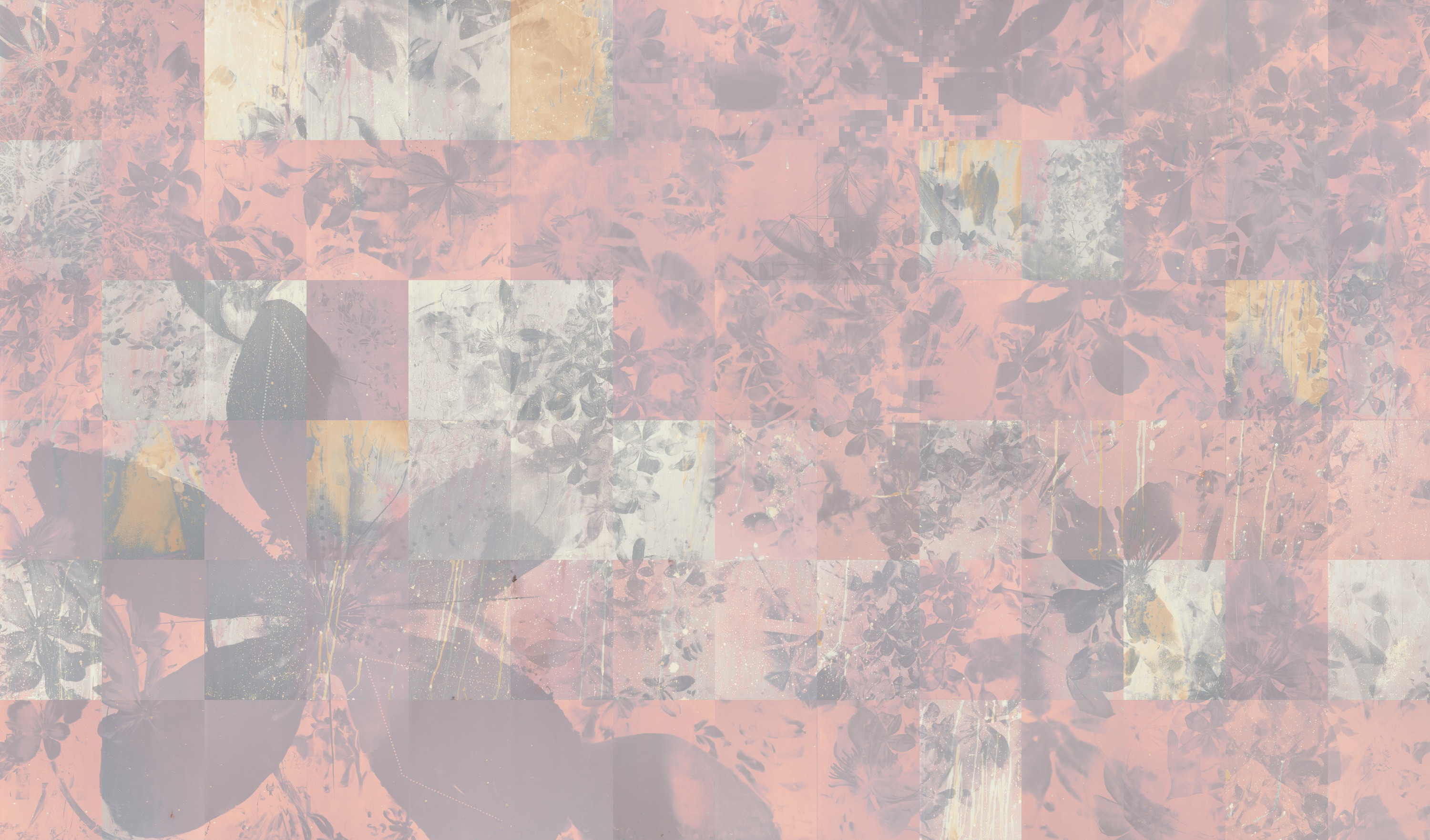
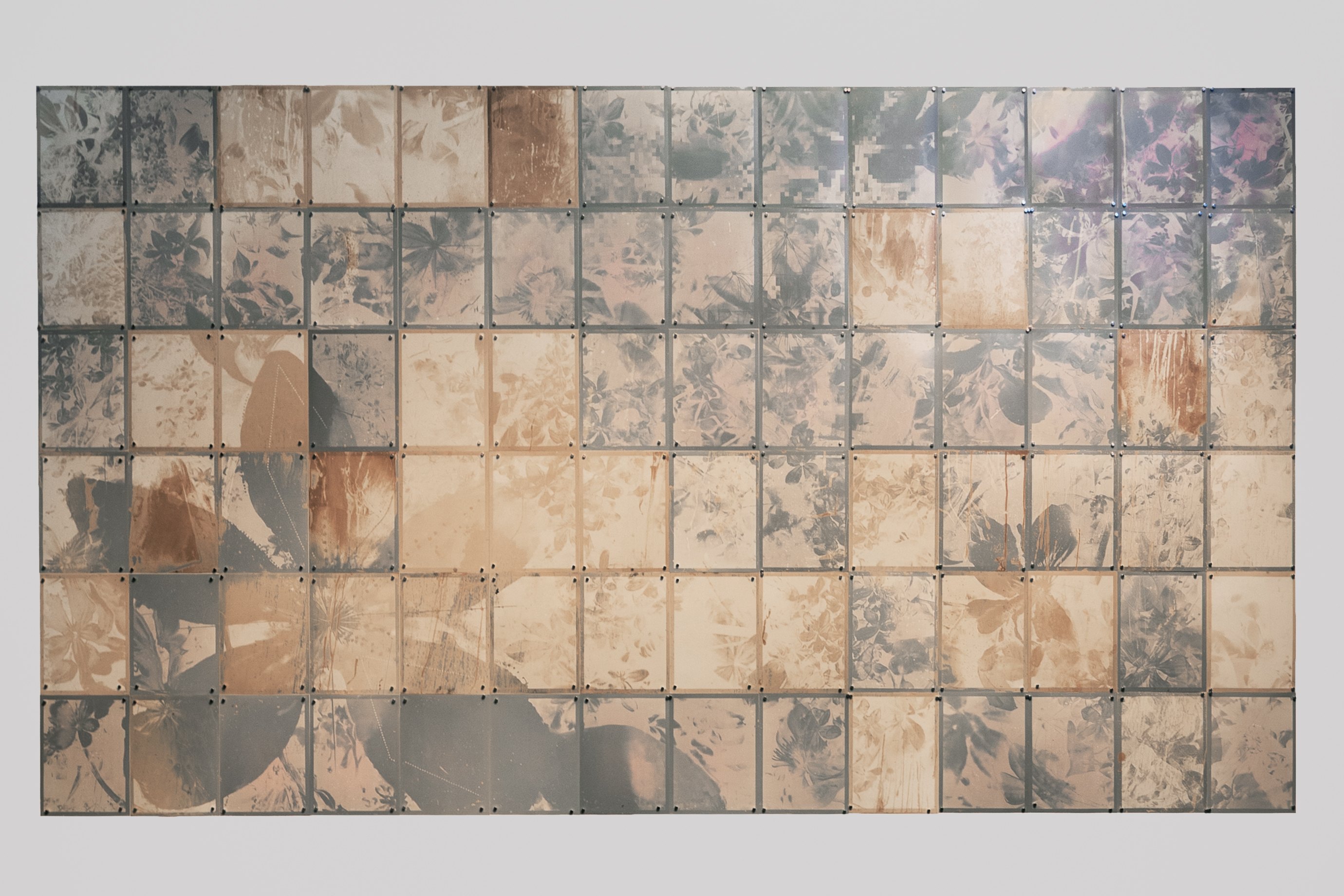
This piece continues the artists' exploration of the world around them through the plants in their gardens. It is drawn from a large clematis that grows in Anna's garden in London, blooming briefly for a few weeks at the end of March and signalling the start of spring. Their first collaboration, Various and Casual Occursions, contained a tiny fragment of this same flower; here it is blown up and expanded into a large photographic print and online digital permutations, inverting the techniques of the earlier work. Over the course of the short blooming period the artists documented the plant at different times of day and through different photographic methods. Both in their individual and combined practices, the artists are deeply interested in objectivity — especially as it relates to science and natural history — and question whether it is truly possible to document or record a thing. The title references the impossibly large number of ways the piece can be hung, while also nodding to the millions of different ways of experiencing the same plant. This question is further opened by the use of machine learning, which by its nature collapses and flattens. The artists tried to capture the essence of their source plant and make it eternal but fail through the inherent frailty of their materials. The piece comprises a large-scale installation of tiled photographic prints made from a collage of different clematis images — some from the original dataset, some from the various neural networks used — all retranslated through photographic printing. It also has an online counterpart: a digital version that will eventually cycle through all possible permutations of the hanging. The internet and blockchain are thought to be eternal but are underpinned by systems that can and do break and vanish. Both versions are subject to collapse and decay, while the original clematis will keep regrowing and blooming, undisturbed. The weather of that particular spring is subtly present: rain is included in the printing process, so that rather than strict mimesis the piece becomes something more — an impression filtered through the artists' understanding of that moment.
Artist Notes (Thoughts & Process)
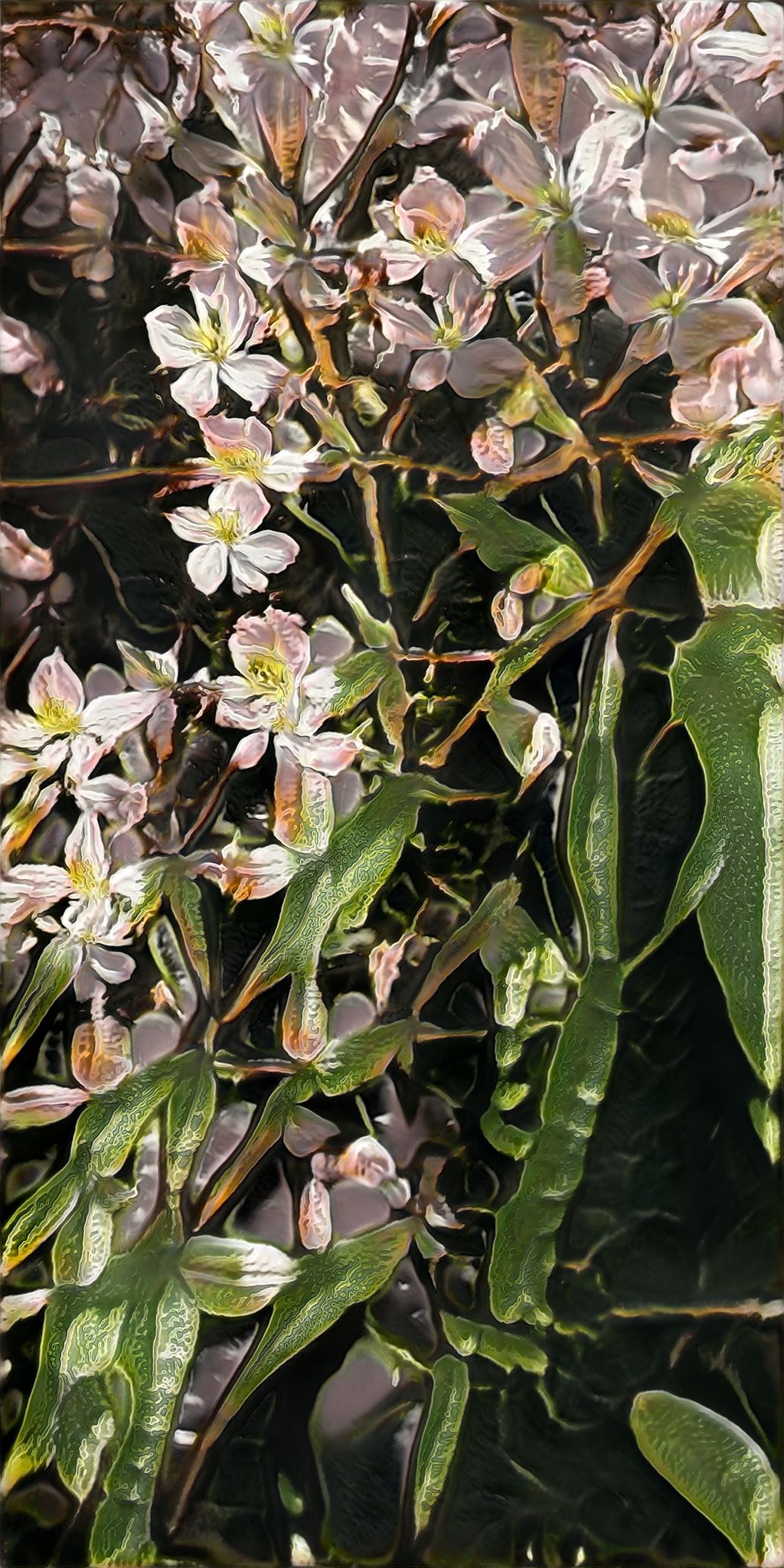
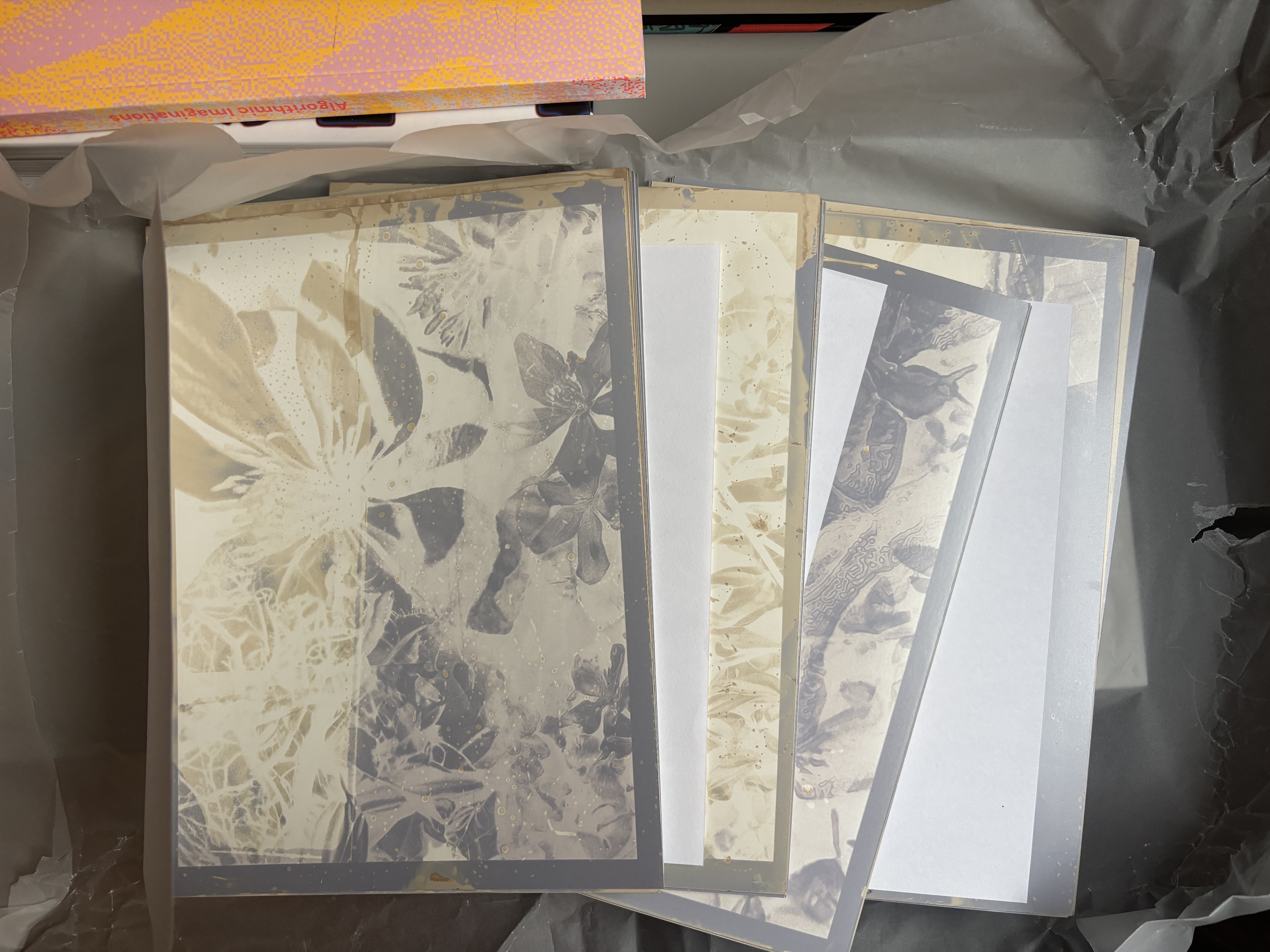
This piece continues both mine and Sofia’s' exploration of recording and exploring the world around us through the plants that we see and our garden. This work is drawn from a large clematis that grows at the bottom of my garden (a gift from the last person who lived in this house, or maybe even the person before that, it is so large and old). It blooms very briefly for a few weeks at the end of March and signals (to me at least) the start of spring. Our genesis piece was made at roughly the same time of year and contains a tiny fragment of this flower (in the bottom right hand corner); this time it is blown up and expanded into a large photographic print and online digital permutations, inverting the techniques of the first work. One of the things that I love about this piece is the materiality of it, and in particular the printing of it onto photographic paper (it is not a cyanotype though this is often a misconception).
References and Inspiration
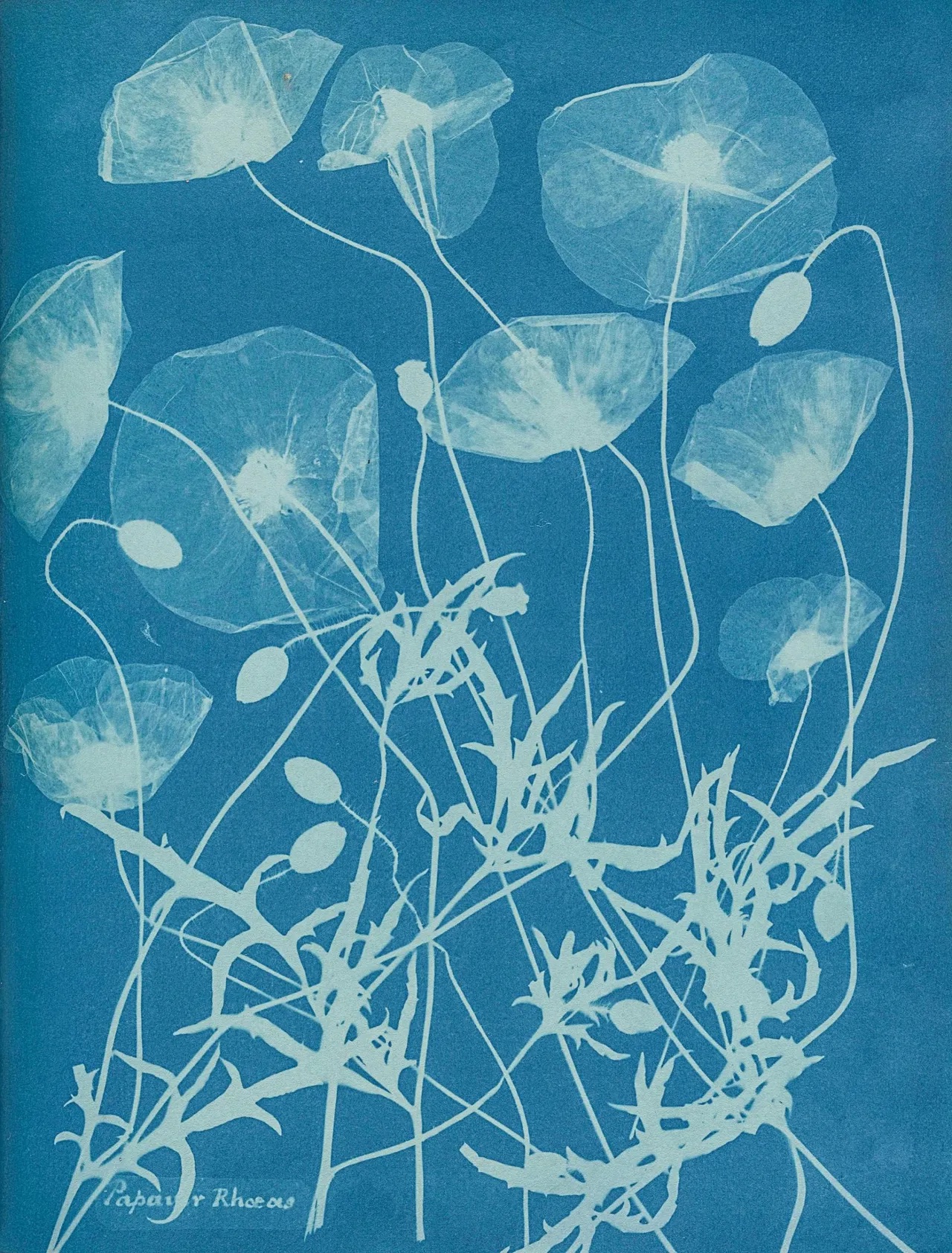


Dissemination
The digital element of the work can be viewed at https://www.331424e126clematisarmandii.xyz/