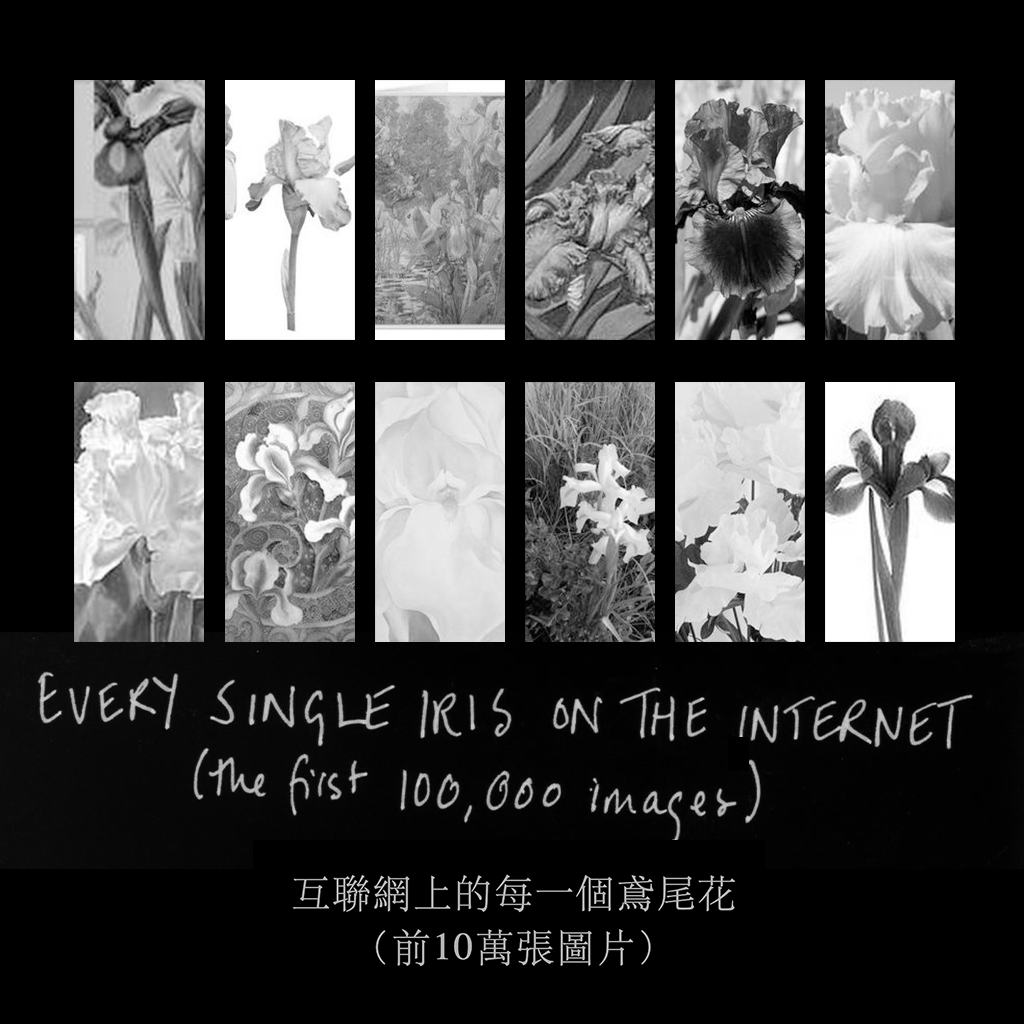
Every Single Iris on the Internet (the first 100,000 images)
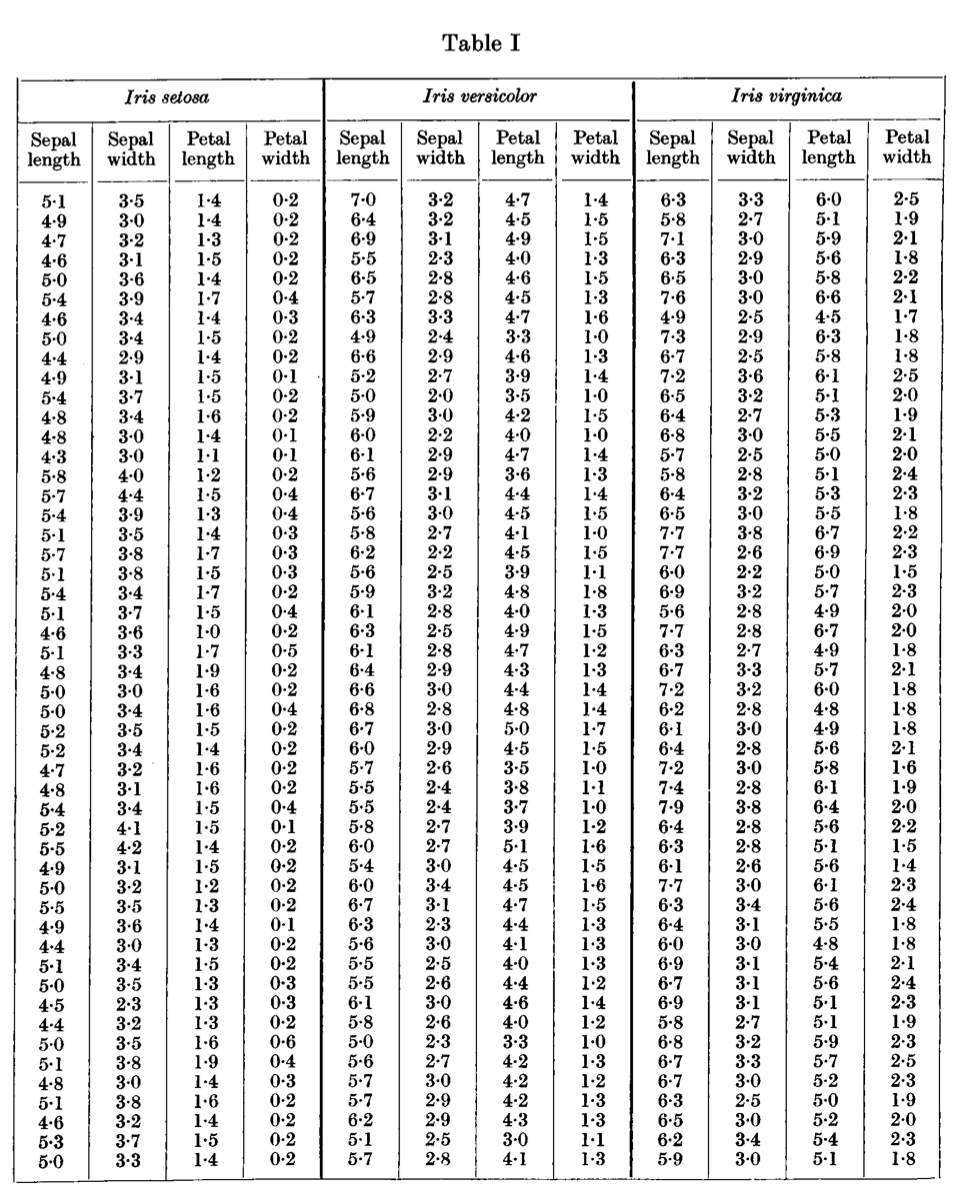
This interactive web-based work draws on all instances of “iris” found within the LAION dataset, revealing how large-scale machine-learning systems are built on fragments of an Internet that is already disappearing. In Every Single Iris on the Internet (the first 100,000 images), Anna Ridler hunts ghosts in LAION-5B, a database of 5.85 billion image–text pairs. Here, “irises”—flowers, eyes and personal names—are shown. As the work cycles through these images, irises that no longer exist—broken links, missing files, absent descriptions—gradually fade until the screen turns black. Machine learning depends on datasets scraped from the web, yet while models evolve rapidly, the data that trains them often does not. LAION contains material that is frequently a decade old, much of it degraded, leaving behind only traces indexed by machines. Ridler’s interest in irises also stems from their long history within data science, where since the 1930s they have formed one of the most replicated datasets, abstracted into numbers and endlessly reused. As the work reaches its conclusion, a new kind of iris emerges: one trained on synthetic images. These final forms represent a further ghost—uncanny echoes of echoes—exposing how language’s fluidity fractures against technology’s demand for fixed meaning, and how machine learning increasingly turns inward, training on its own artificial residue rather than the physical world.
Artist Notes (Thoughts & Process)
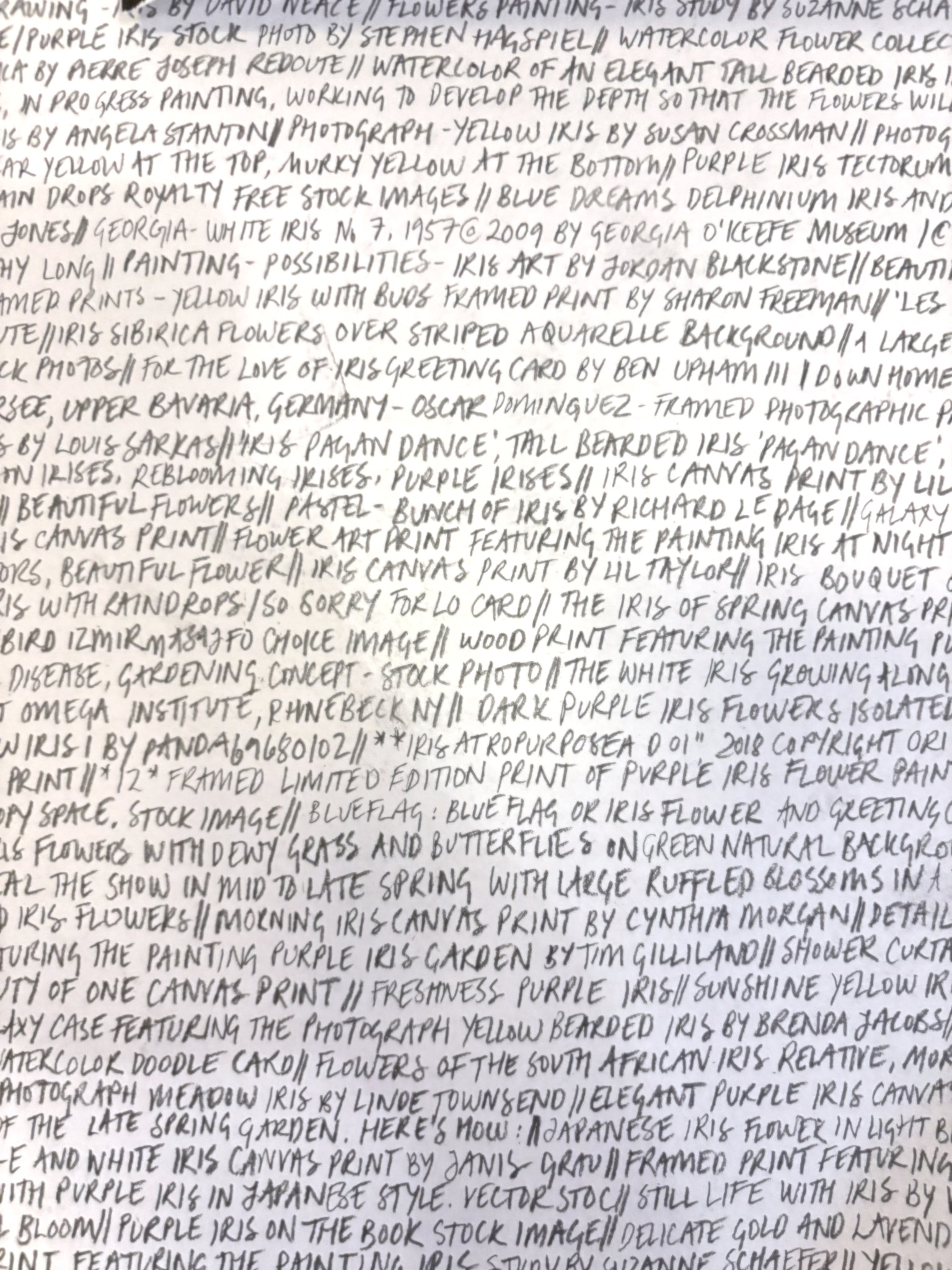
The internet is the secret foundation of machine learning, as machine learning cannot work without a dataset and, for the most part, datasets come from the internet. Because this type of technology - machine learning, artificial intelligence - is changing so rapidly there can be an assumption that the data that trains it is also changing quickly. But that is not really the case. Once produced, they are very rarely reviewed or updated. Before LLMs and other large models, datasets that were commonly used in this area were sometimes 10 or 15 years old; now, with the type of machine learning that requires millions if not billions of inputs, the entire internet is being sucked up for it to learn from. But it is sometimes an internet that no longer exists: the common crawl, which scraps images and their accompanying captions, has been running and has data for seventeen years; LAION (a dataset that is often used for text to image training and which this project is based off) contains pairings from a full decade ago. Because of this a number of these pairings are broken - the image or description no longer exists and the only trace or ghost of it is left in the index of this massive database. The world that exists in this internet is not the world we live in today. This work runs through these images, which have been sorted by me, showing each flower until it hits open a broken link or ghost iris when it stops. It is virtually impossible to see every single thing that has been used to make them but I have been obsessed with trying to do so. There is something about actually looking at each of these images with a human eye - rather than just being a pattern that is understood from statistical significance - that speaks to a different type of engagement with the information, one of looking and seeing and paying attention rather than being unknowingly ground up behind the scenes. If a viewer stays long enough to the end of the work a different type of iris appears - one that has been trained on synthetic copies of irises. Part of the reason why there is resistance to using the internet as it is now is because it is riddled with synthetic images, created by AI and there is sometimes a cut off of using data scrapped from after Dalle and Chatgpt became popular, the web becoming too noisy and messy to be of use. These irises are a different type of ghost - uncanny and unreal versions of the thing in question, echoes of echoes—no longer grounded in the physical world but in the recursive logic of machine learning.
Exhibition Venues
The work has been exhibited online by the Taipei Fine Art Museum, Taiwan in 2025
Project Credits
The work was commissioned by the Taipei Fine Art Museum for Vanishing Acts, an exhibition curated by Doreen Ríos in 2025
References and Inspiration
Dissemination
The website for this work is here: https://every-single-iris-on-the-internet.tfam-netopen.xyz/