An Infinity of Lists
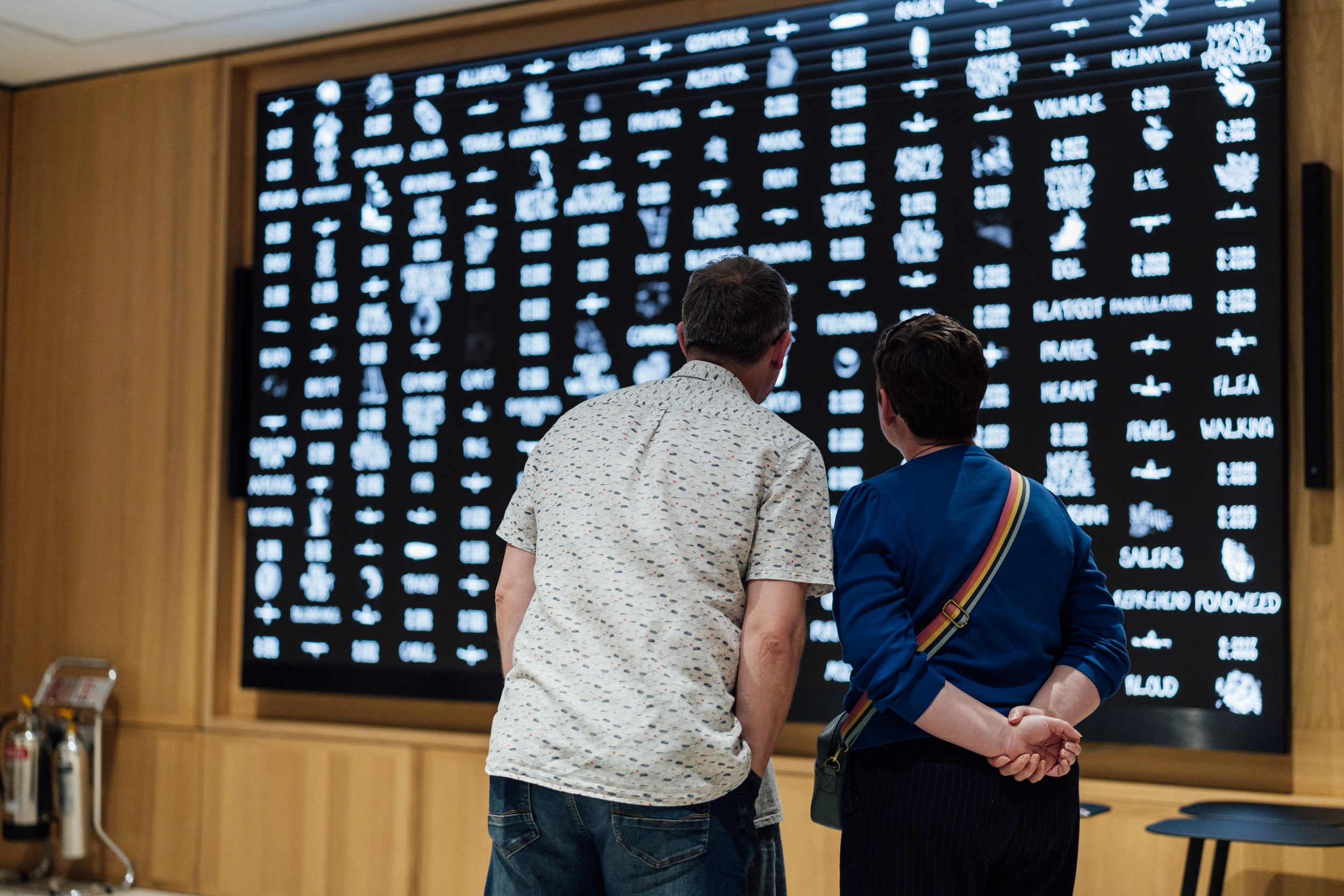
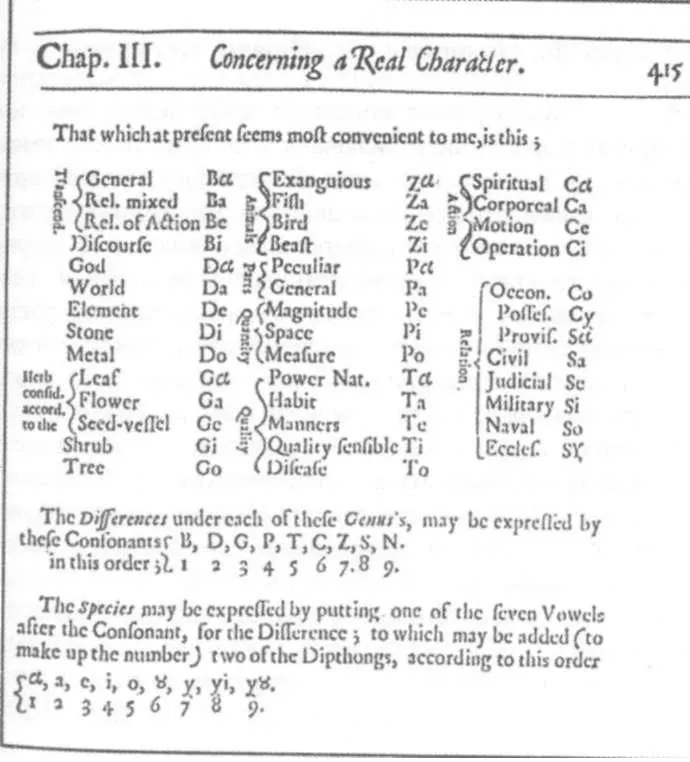
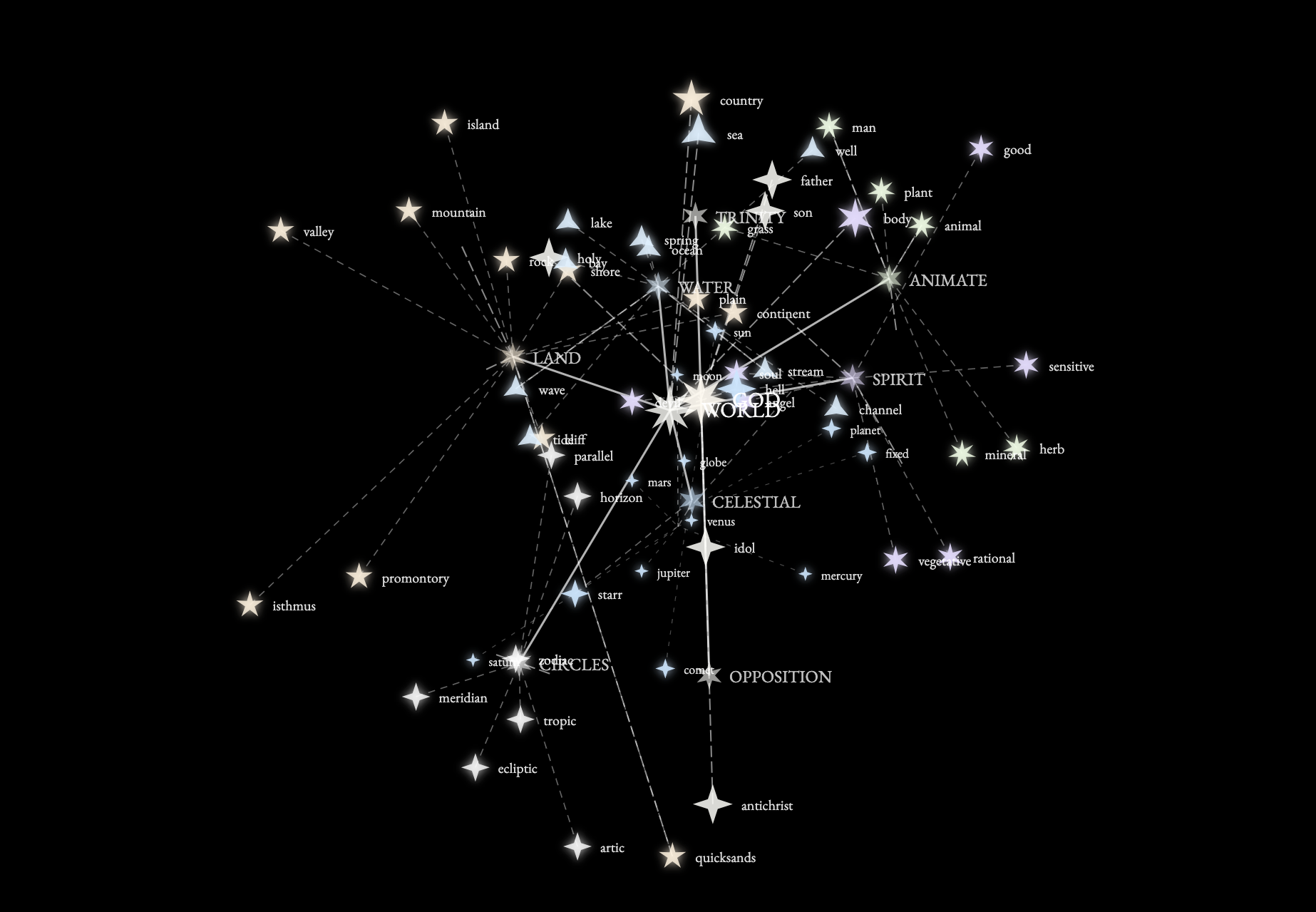
An Infinity of Lists is a moving image piece that collapses multiple different ways of ordering language and the world. It is directly inspired by John Wilkins, a seventeenth-century Oxford scholar, who tried to classify and organise everything through a rational, ordered system. In his Essay Towards a Real Character and a Philosophical Language all concepts were placed in a logical scheme and assigned a unique symbol. There are strong parallels to machine learning as contemporary generative models share the same desire to totalise and the recurring inability to hold the world without distortion. The work shows Wilkins’ language itself as well as the symbols he created for them, first mapped to the hierarchy he imposed before being gradually reframed through the logic of word2vec so that the mapping shifts from the symbolic architecture of Wilkins’ invented order toward statistical relations in algorithmic space. The piece flutters between word, image, and symbol, making visible how translation across systems and across time changes what counts as related.
Artist Notes (Thoughts & Process)
I studied John Wilkins as an undergraduate and since becoming an artist often reference him in talks about categorisation, linking it to the essay Borges wrote about him. Borges draws out the absurdity of the attempt to do this and how all such endeavours are doomed to failure as classification is always negotiated, incomplete and unable to fully contain what it describes. I titled the work after Umberto Eco's 2009 study of enumeration where he argues that the list is the origin of culture and the primary tool through which humans have attempted to make infinity comprehensible. Wilkins believed he could close the list by creating a sufficiently rigorous taxonomy that would eventually contain everything. I think there is something both sweet and sad in the idea that an invented language and script could contain every thing in existence and be written without the ambiguity.
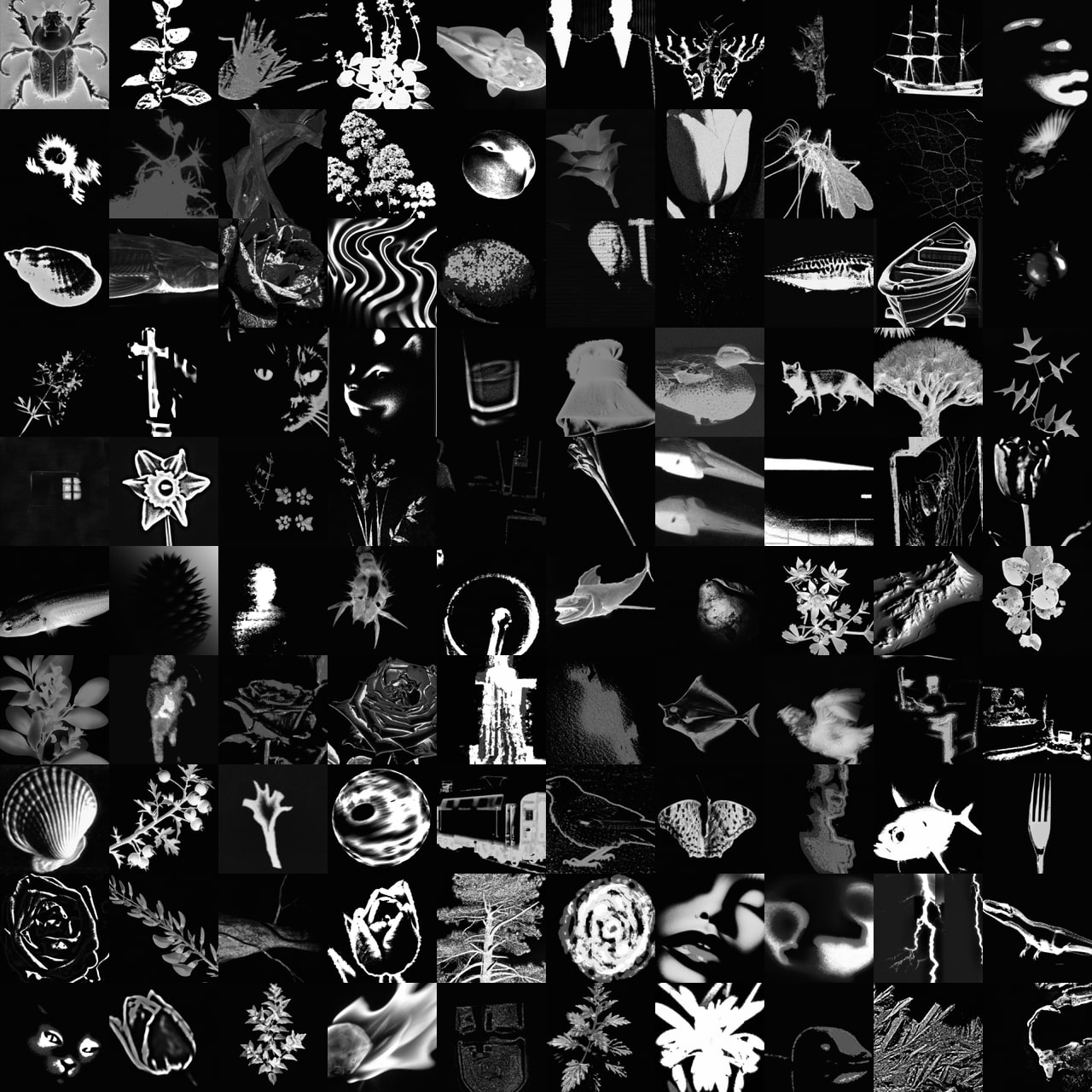
I wrote all of the terms out by hand - Wilkins' system was designed to be universal and impersonal, but the marks themselves are the product of a specific hand at a specific moment, carrying all the particular quality that universalism tries to exclude. In addition to handwriting all of the terms out, I have also included the 'Real Characters' that Wilkins invented, the distinct symbols that build on each other to create a logical system, using scans of the engravings from the 1668 book. I also included visual illustrations of the terms, rendered using the definition and description given by Wilkins. This is a collapse of different types of reordering the world - Wilkins in 1668, a semantic model from 2013, contemporary diffusion models - all attempting the same impossible task and all failing differently.
Exhibition Venues
Project Credits
Commissioned by the Schwarzman Centre for the Humanities, University of Oxford, as part of A Perfect Language of Images (2026)