Mosaic Virus 2019
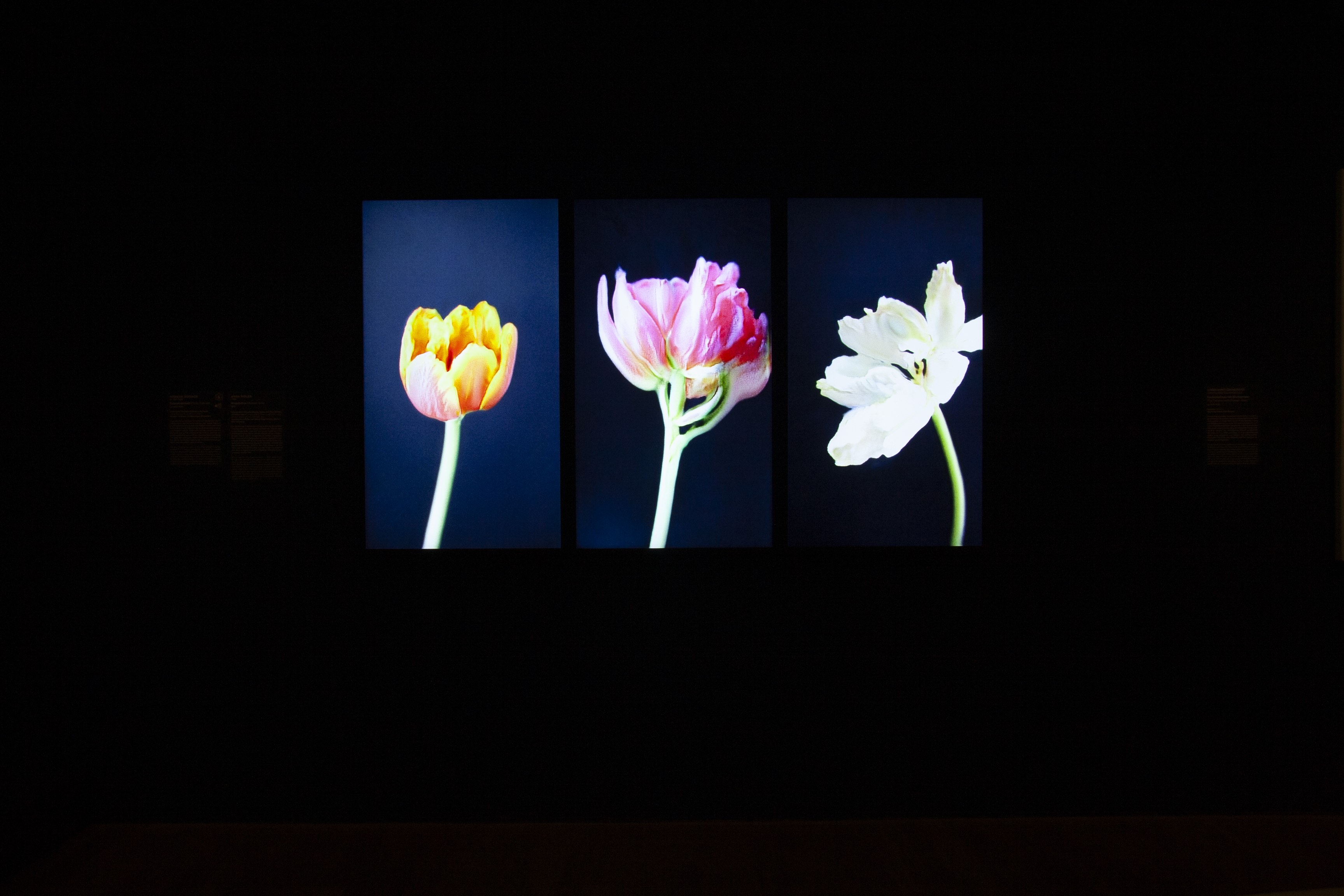
Mosaic Virus (2019) is a three screen video installation, each screen showing a single tulip. In both pieces the tulips are controlled by the price of bitcoin, changing over time to show how the market fluctuates and making this connection explicit. Tulipmania was a 17th-century phenomenon which saw the price of tulip bulbs rise and crash: at the peak going for the same price as an Amsterdam townhouse before falling to the price of an onion. It is often held up as an instance of one the first recorded instances of a speculative bubble, and strong parallels can be made with the ongoing speculation around cryptocurrencies. There is an obvious economic connection between the two systems - both are often depicted as unstable frenzies - but for me this association goes beyond how the prices of the two behave on a graph. The title of these works, Mosaic Virus, comes from the name of the disease that causes the distinctive stripes or flocking, in tulip petals. It is caused by aphids laying eggs in the bulbs meaning that a tulip could produce a pure white flower one year, but a heavily striped one the next. This element of chance and rarity increased the desirability at the height of tulipmania and helped drive speculative buying and selling of the bulbs. In the models that I created it is Bitcoin that behaves like the virus, controlling this aspect of the flower: the generated tulip petals have more of a stripe as the price of Bitcoin goes up and a single colour as it falls. But the disease was only discovered in the 1920s and before then there was no clear understanding of how the stripes occurred. Human attempts to recreate its effects during the mania seem comical today - painting the ground with stripes, splicing two different bulbs together - but they were driven by a desire to create wealth without understanding the mechanics of what was creating value. This knowledge gap was also evident in the first blockchain boom when huge amounts of money were thrown into the system, often by non-expert investors who wanted to make money quickly.
Artist Notes (Thoughts & Process)
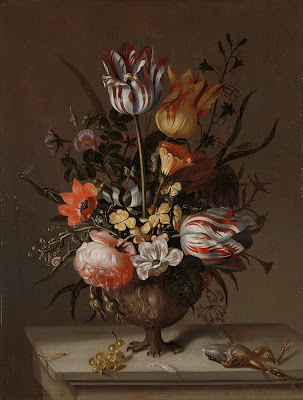
This hype is also embedded in the material that the pieces are made from: machine learning. Interest (and money) in artificial intelligence has risen and fallen, ever since it became an academic field. We are currently in the middle of an AI 'summer', where billions of dollars are being spent on it because of the commercial opportunities it could potentially bring, but this could soon change into a 'winter' when interest and funding dry up. The motion of the 'boom and bust' of the markets is also evident in the way that GANs work; As the model strives towards perfect encapsulation of the tulip, its collapse mirrors the ups and downs of speculative bubbles. When they are training, they sometimes have a tendency to seem like they are improving - the learning rates will go up and up - and then suffer 'mode collapse', where the rate plummets so as a material, it is echoing its subject matter. This echo can also be found in how the GAN constructs the image of a tulip. There is an obvious visual reference in the pieces to the Dutch still lifes at the time of the mania, also known as 'vanitas' paintings, which were meant to emphasise how fleeting worldly like treasure and beauty are. These floral paintings show imagined bouquets: it would be impossible for some of the bouquets that are found in the still-lifes to exist in reality as the flowers shown bloom at different times of the year. They would have been constructed from the artist's knowledge of the world. Similarly, the GAN I have made is constructing an image not of a real tulip, but what it thinks a tulip should be, based on all of the tulips that are contained in the dataset. Neither are replicating an exact flower, but rather forming a concept of a flower and recording it as such.
Exhibition Venues
Featured In
Project Credits
This project was partially funded by the EMAP/EMARE programme (part of Creative Europe) and commissioned by Impakt.
References and Inspiration

Dissemination
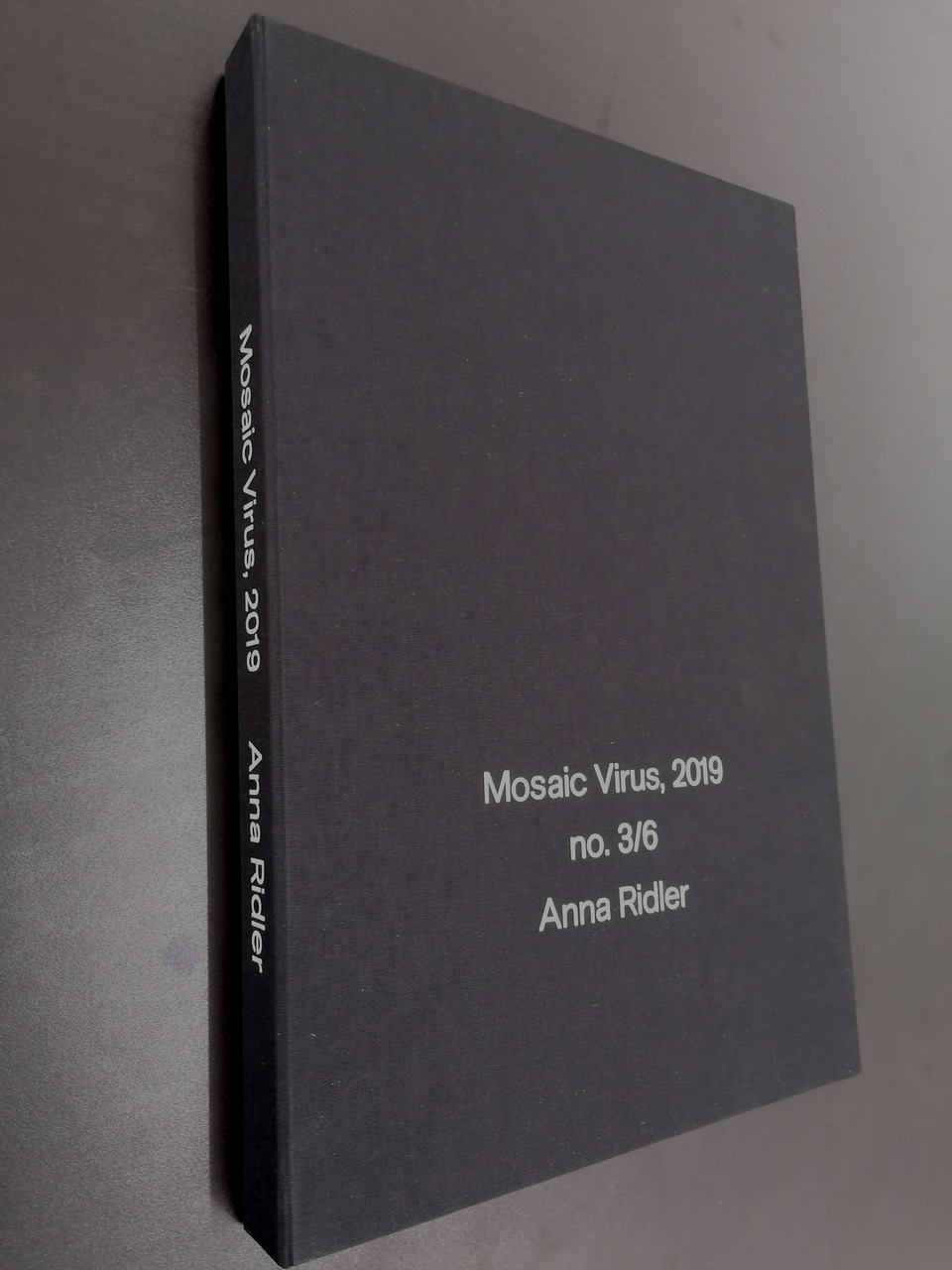
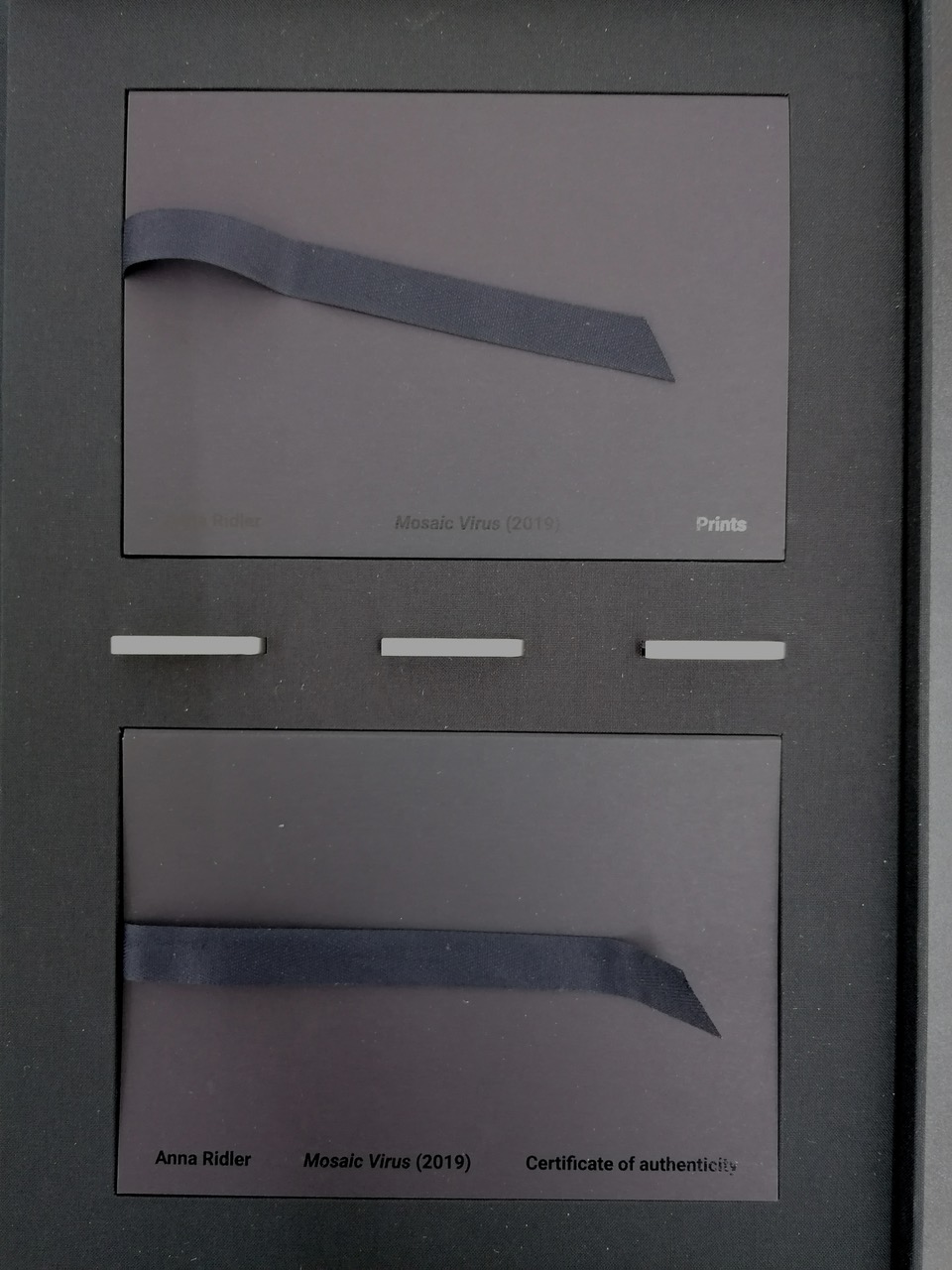
The project is an edition of 6 with 2 AP. In addition the video works collectors receive some prints of stills and a research package about the project.