Snapshots: Orchids
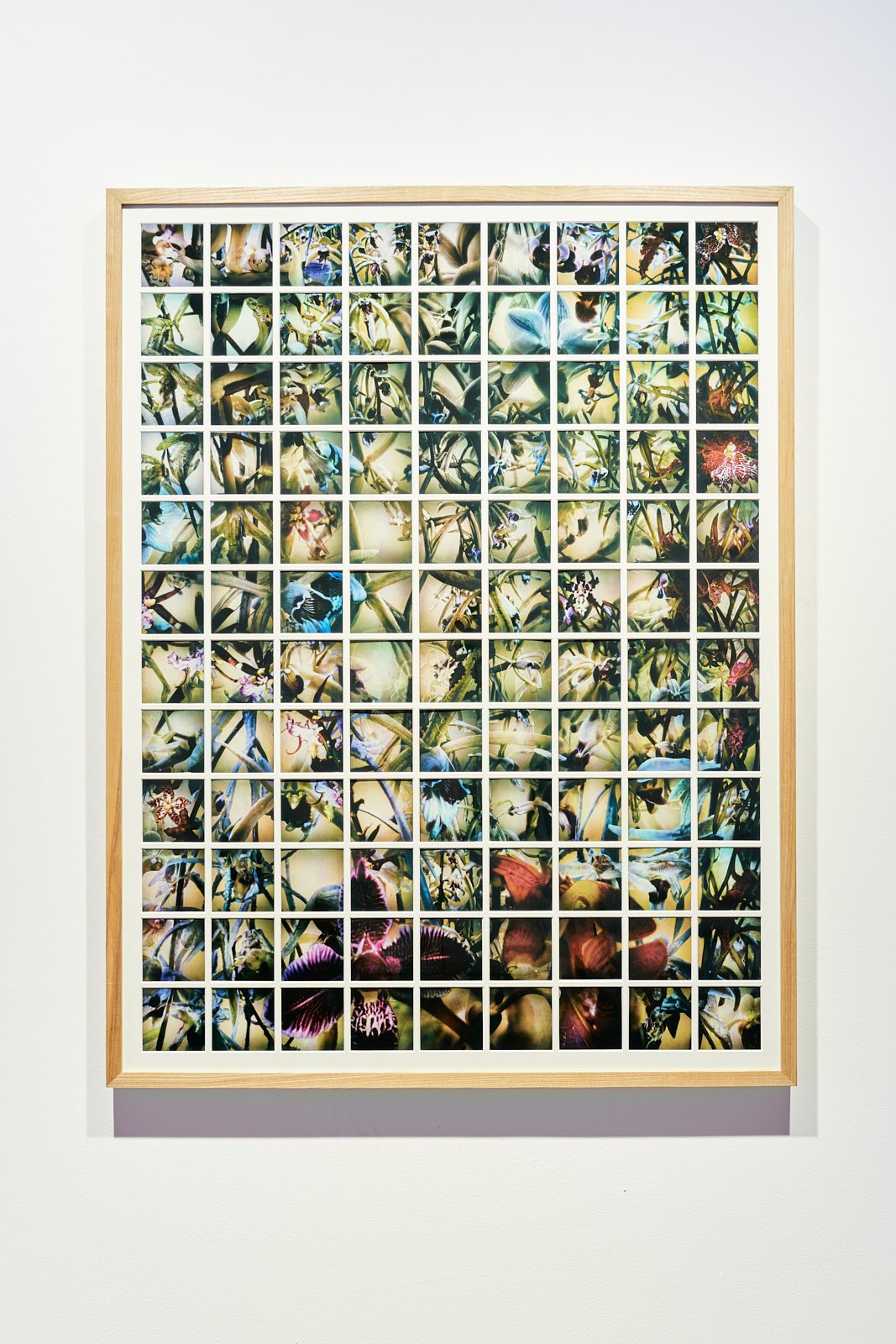
Snapshots: Orchids is the third collaboration from Sofia Crespo and Anna Ridler that continues their joint investigation into different forms of digital and analogue experimental photography and its relationship to the natural world. In this piece they have reconstructed a digital image of orchids, made using machine learning and trained on a dataset that they have both taken over the years, on 108 Polaroid printed images. Each 'snapshot', a word also used within machine learning to signify a captured instance within the training of an AI model, beckons the viewer to consider the fleeting beauty of these flowers against the permanence of their captured image.
Artist Notes (Thoughts & Process)
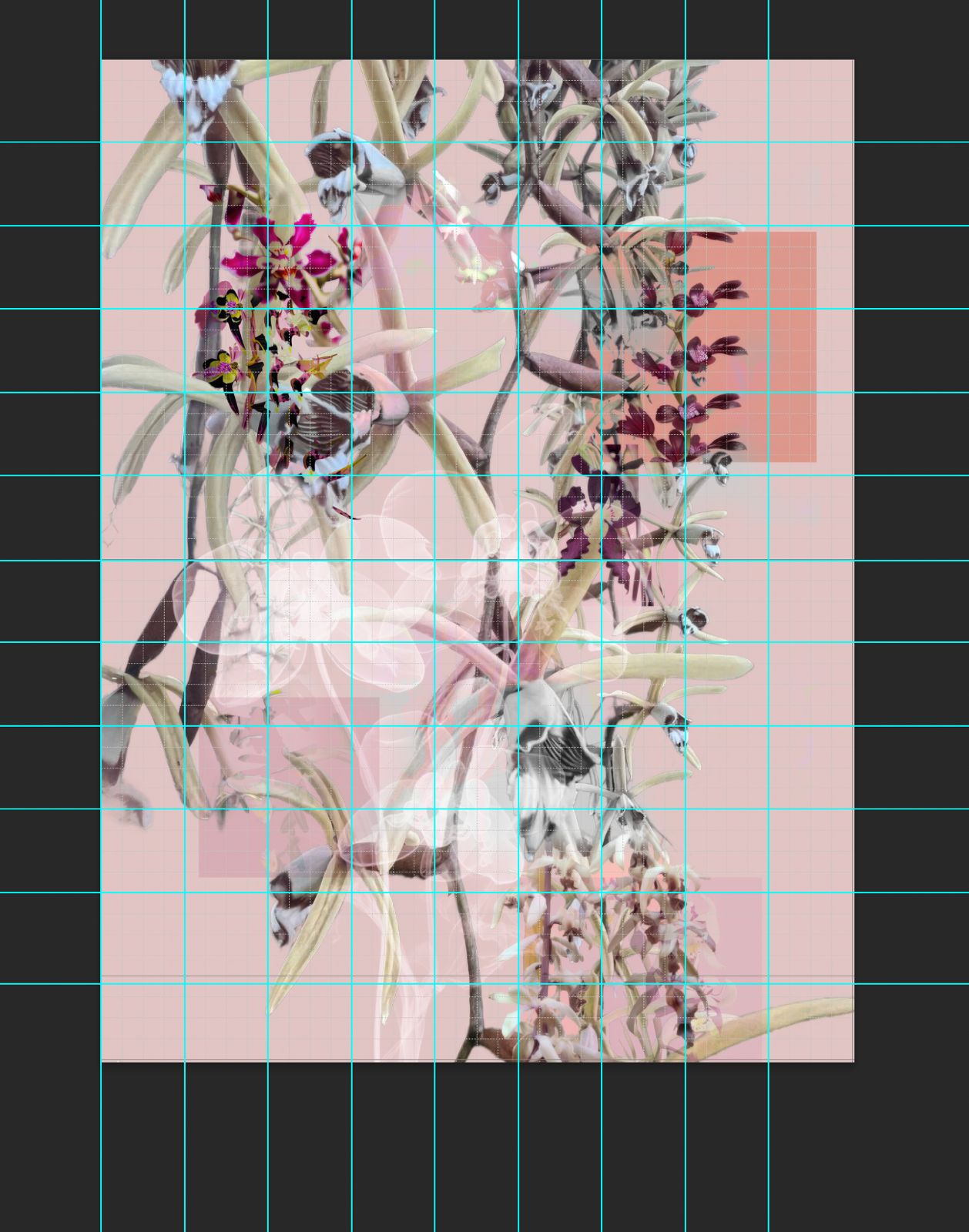
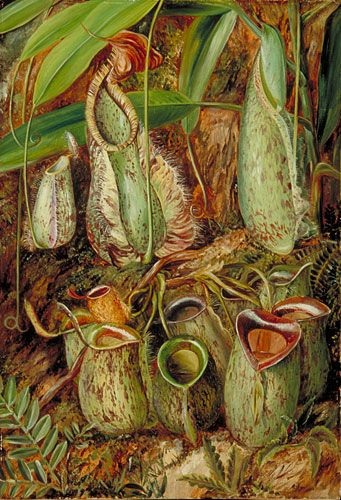
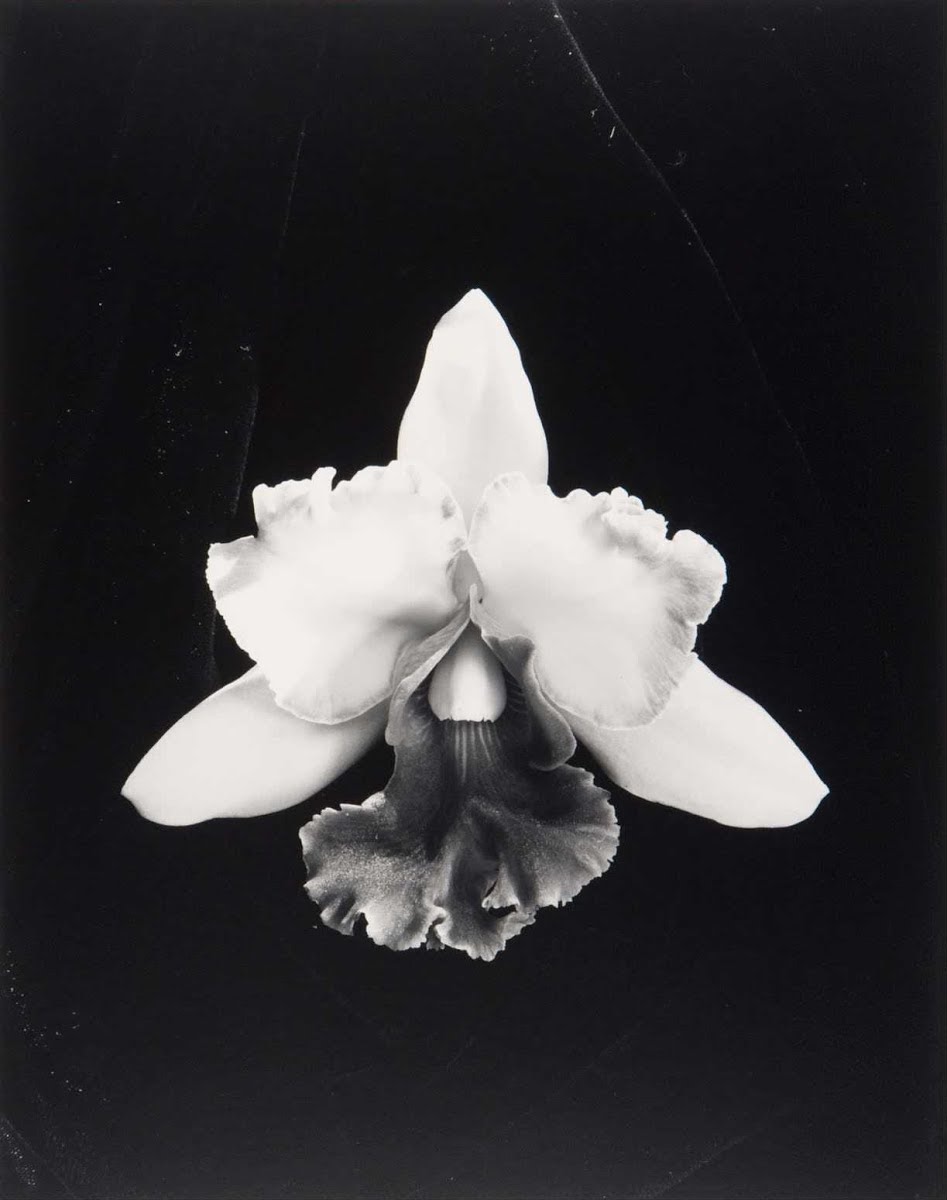
Like tulips, orchids are plants that bring out strange relationships between the natural world and class consciousness in Britain and Europe. During the height of orchidmania in the nineteenth century they became exoticised objects of desire, explicitly associated with both male and female anatomy and their exorbitant auction prices and subsequent commercialisation entangled with ideas of status, sexuality and power. They also contributed to evolving scientific debates, shaping theories not only of natural selection but of sexual selection. Elaine Ayers writes about how in order to make plants “speak” within these systems, material objects - illustrations, specimens, diagrams, collections - were necessary. These were often produced in vast numbers by unnamed labourers, including women, indigenous people and middle-class men working multiple jobs. These 'unauthored objects formed the backbone of Victorian botanical knowledge, capturing the botanical imagination in ways that were strikingly anti-utilitarian'. Today, emerging technologies continue to reshape how we understand art, representation and perception, contributing to a loss of trust in images and fostering new ways of experiencing the world as indeterminate and fragmentary. Some historians of science have argued that nineteenth-century systems of order often operated along circular spectrums in which simplicity leads into complexity and perfection into monstrosity. This instability is embodied by orchids themselves, which resist neat classification and remain persistently unruly within taxonomic systems and therefore also lovely plants to make art with.
References and Inspiration

Dissemination
The contract for this work is 0x62347016ecFd31B9fe35a3137c939bDaD504064B