A Partial Atlas of the United States
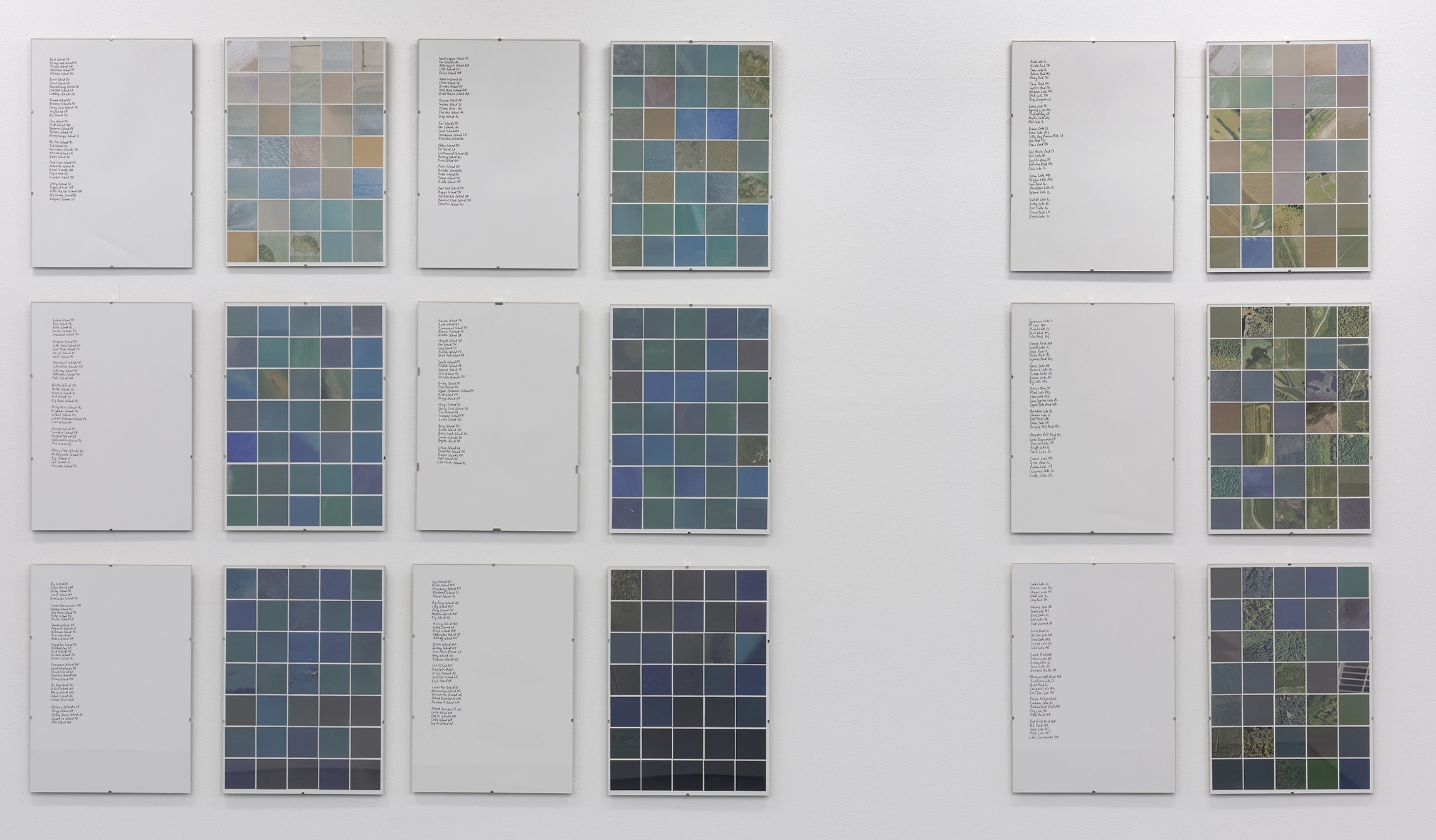
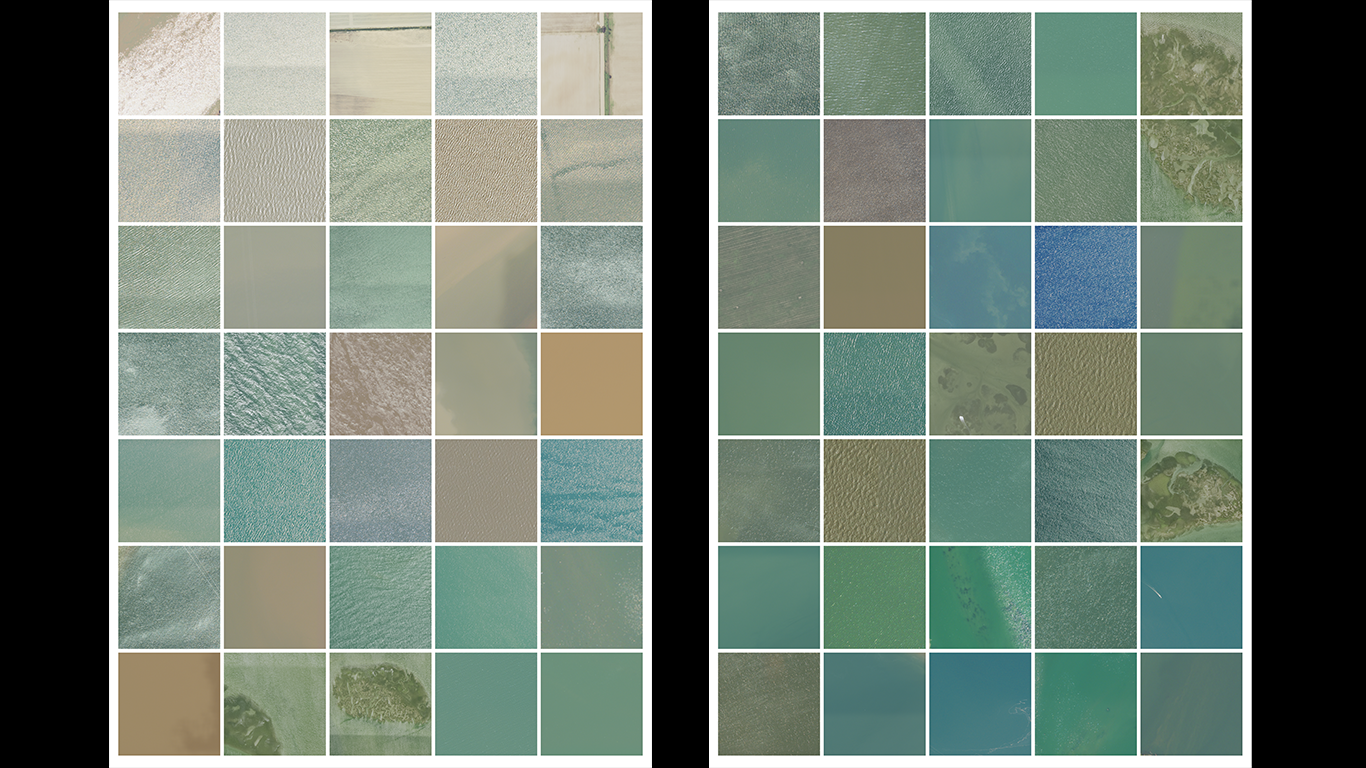
A Partial Atlas of the United States (2026) is a set of prints and handwritten charts of places that no longer exist due to climate change and other human intervention and that have been formally removed from the official federal record. Pages of collaged tiles of satellite imagery show what exists now where these places were (from water to sediment to forests to parking lots) and accompanying pages record their names in handwriting. The information is drawn from the United States Board on Geographic Names database, a bureaucratic system that buries and obscures these facts. This work was made during a period of active dismantling of US federal environmental records and agencies, which gives the database access a particular urgency - the record that can be read today may not remain publicly available in the same form in even a few months' time.
Artist Notes (Thoughts & Process)
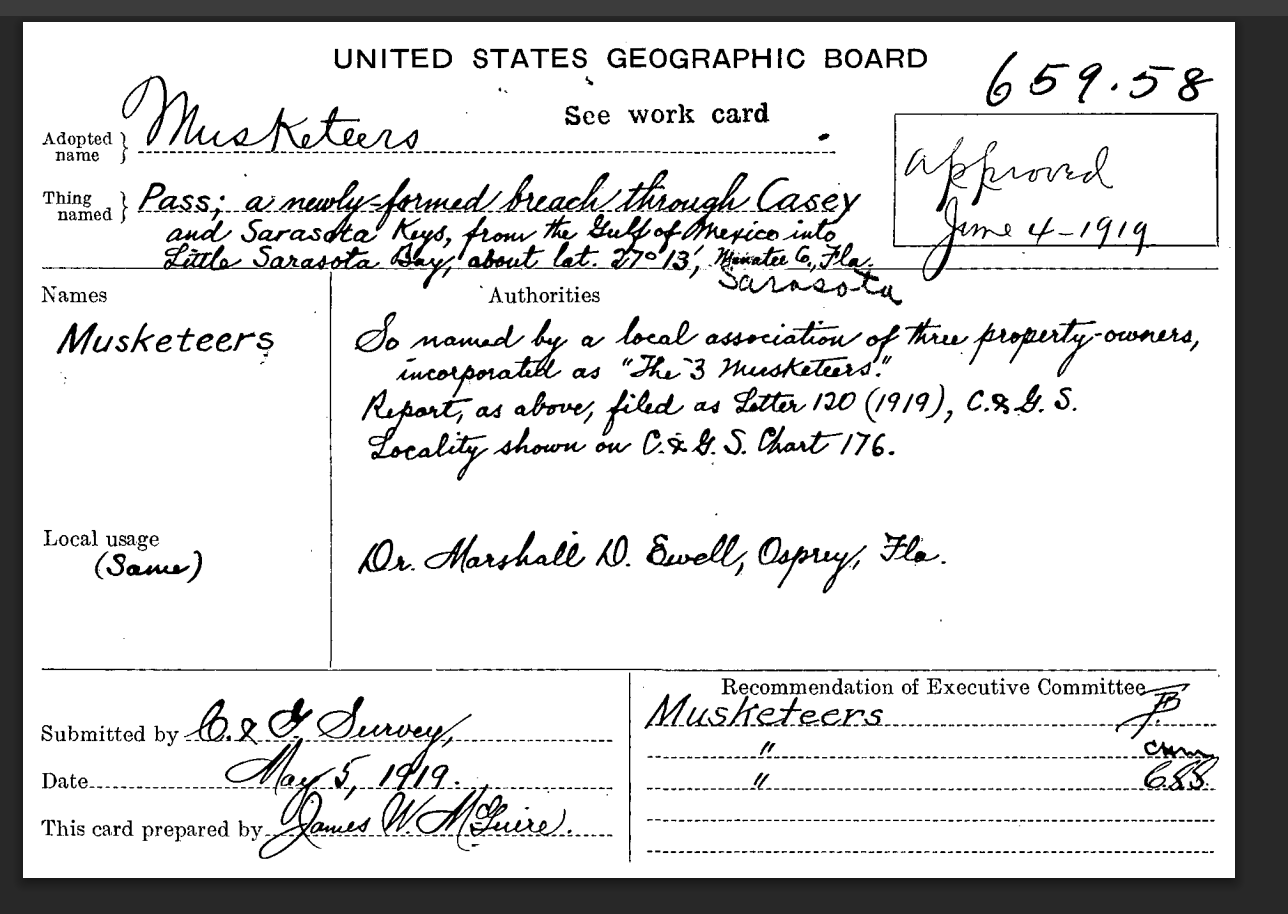
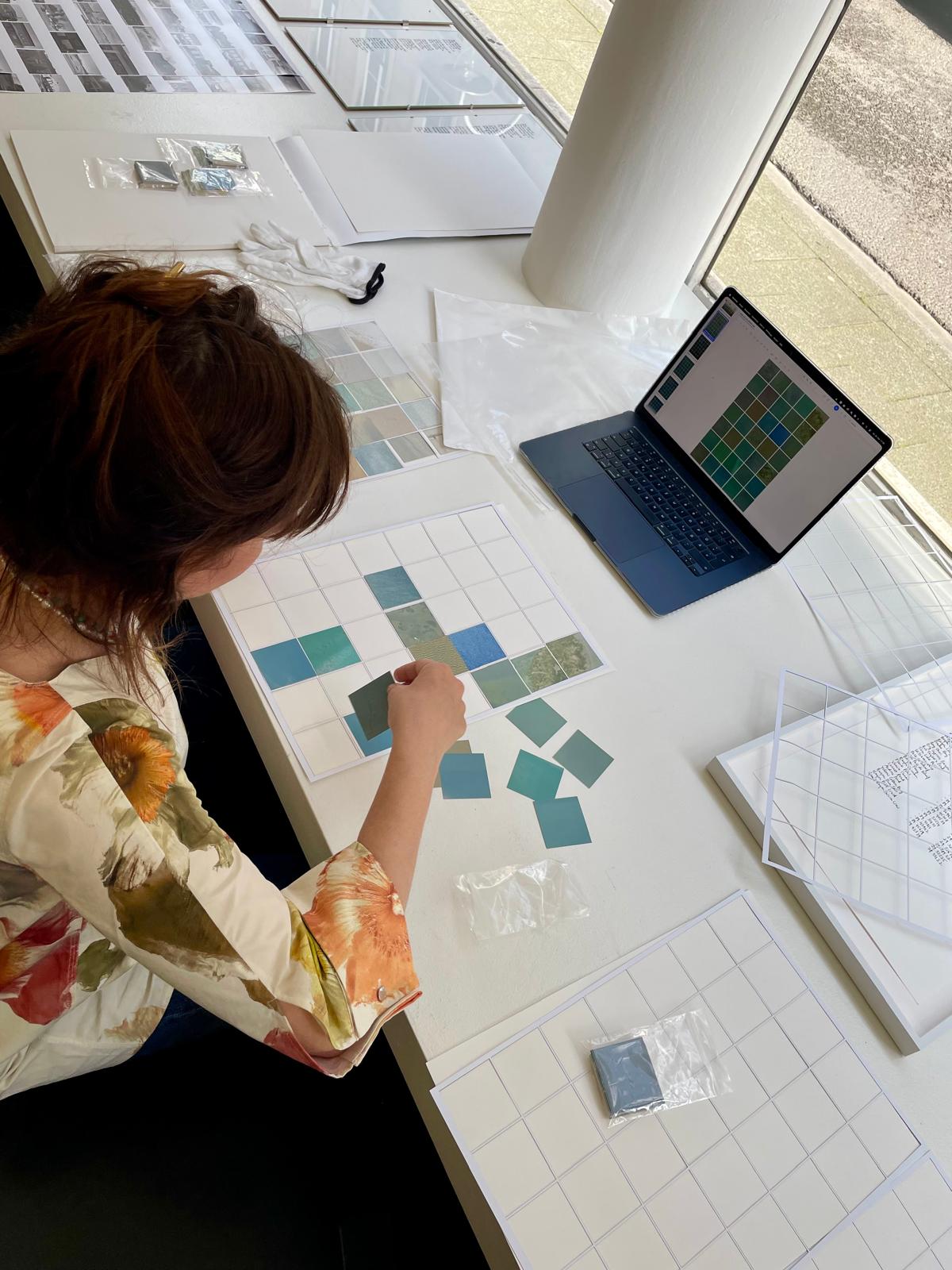
The United States Board on Geographic Names maintains the official federal database of place names - every named feature in the country, including those that have been removed from the record. I worked through the database to identify places removed not because of renaming or political decisions but because of physical disappearance: places swallowed by rising water, eroded past the point of existence, or deliberately submerged for dam construction. It involved a bureaucratic exactness that saw me click into each individual record, which should in theory contain the original information about its entry and the reason for its removal—almost like a birth and death certificate for the place. The board has to make a formal decision (present or historical, named or removed), but the reality is gradual. An island above water at low tide and submerged at high tide occupies both categories simultaneously, and every recording technology has to decide which version to register. The handwritten names are a separate record: the act of writing them by hand is an act of witness, insisting on the specificity of each place at a moment when the official record has let it go. The atlas format is deliberate - the scientific atlas is a recurring structure in my practice, placing contemporary data within a longer history of classification and what classification cannot hold.