A Store of Value
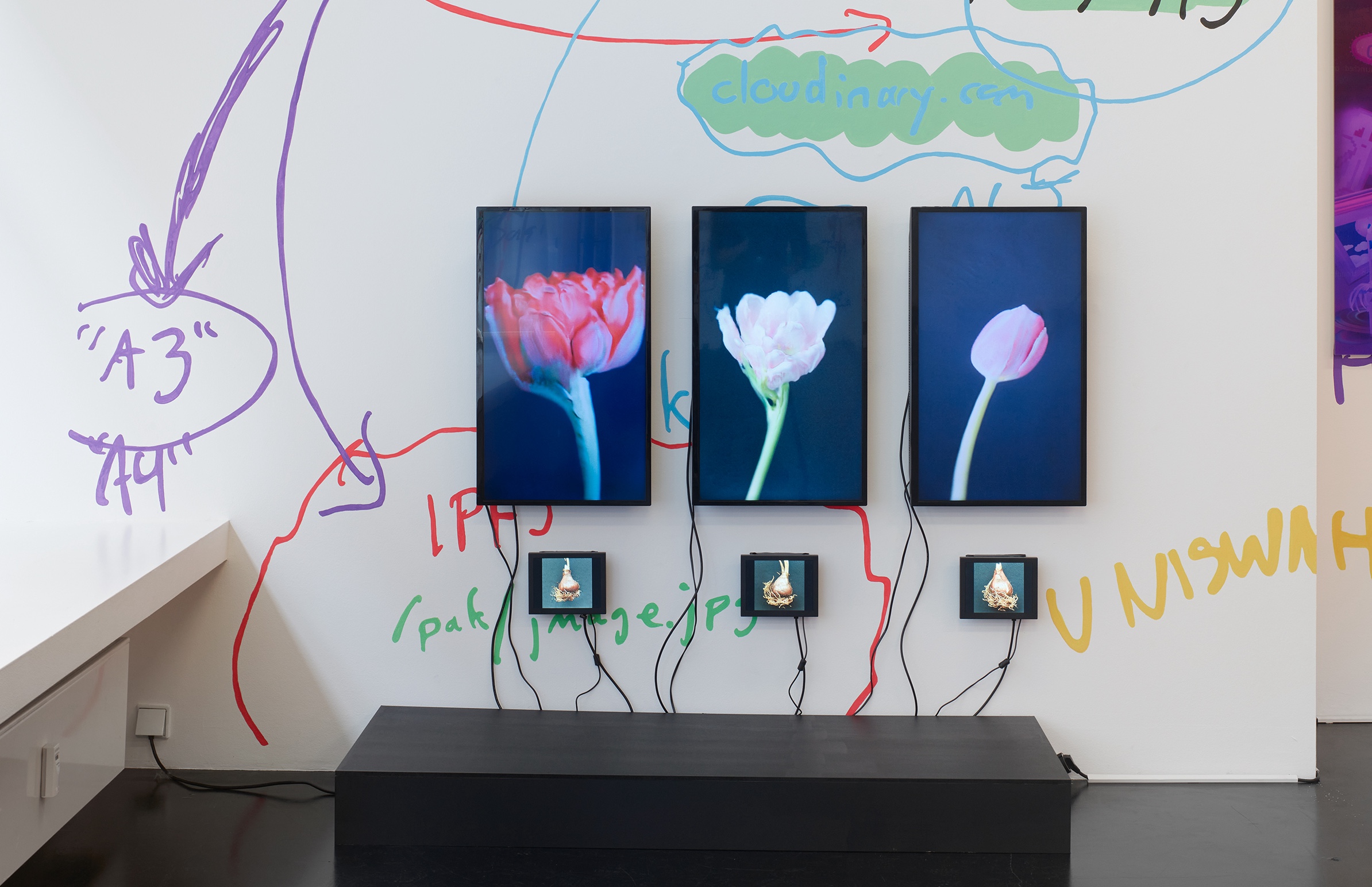
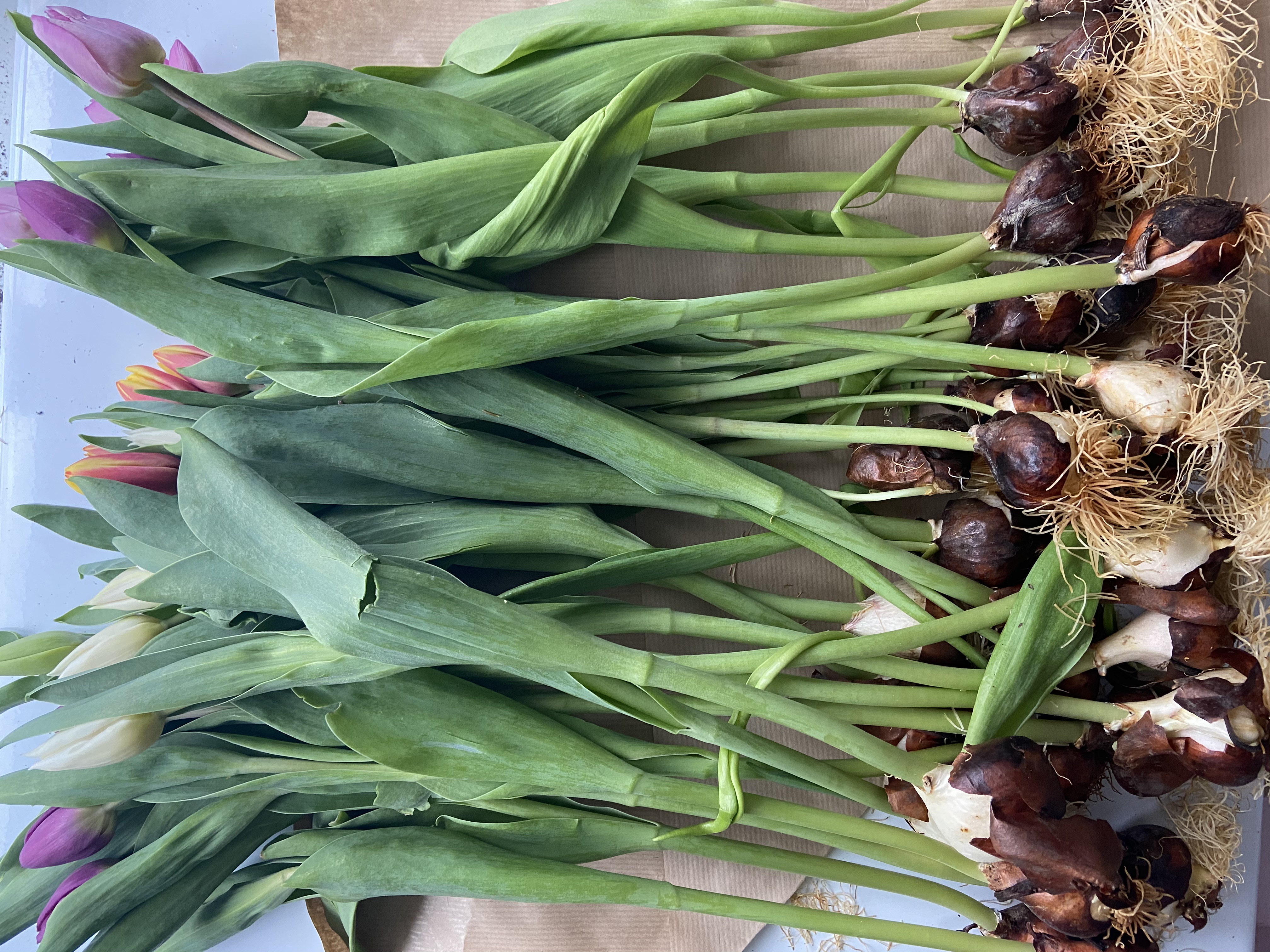
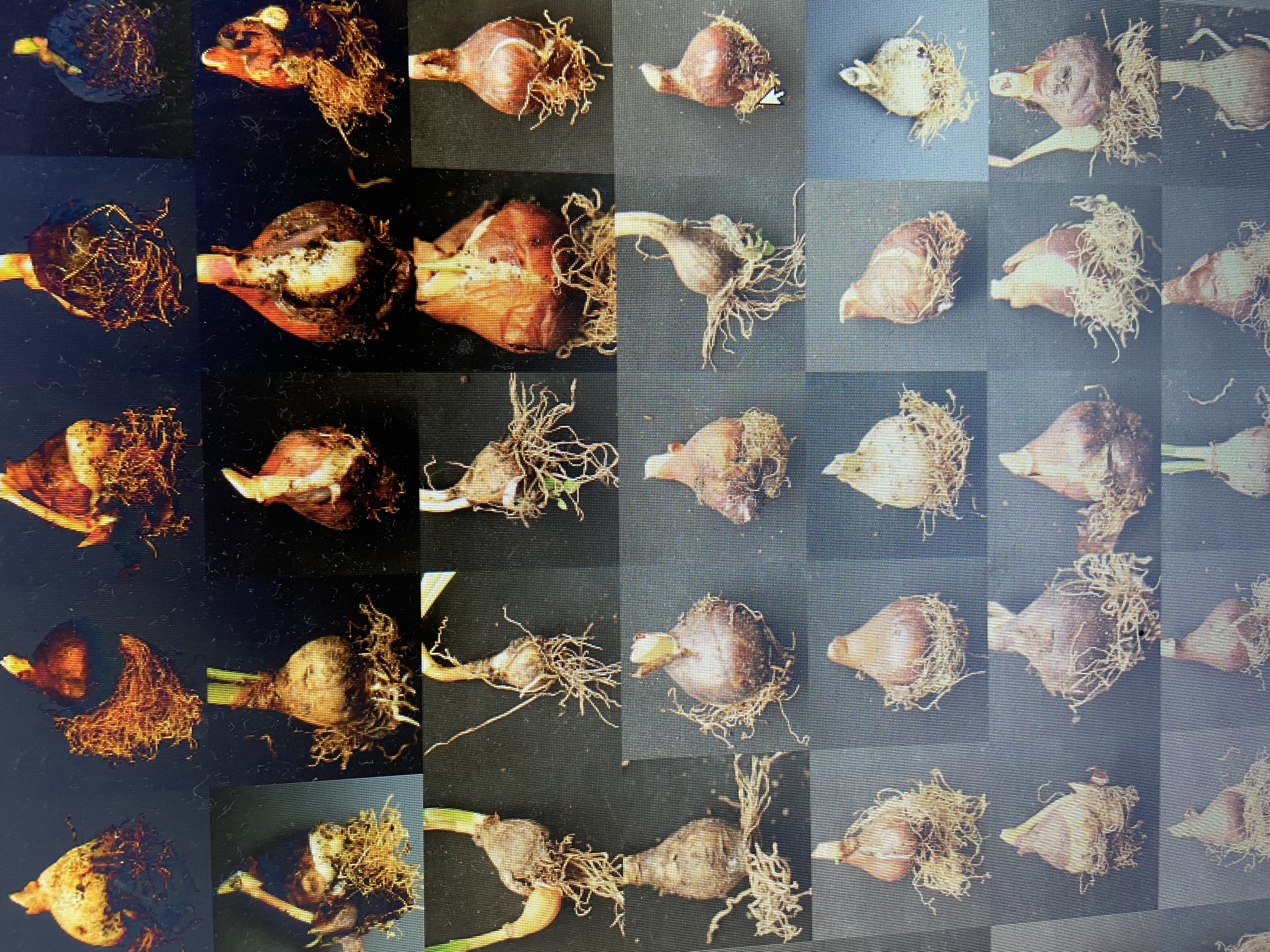
Store of value' is a term used by economists to describe how certain objects - usually currency, property, financial assets or precious metals - can be held or traded over a long period of time, without losing value. Traditionally it has not been applied to organic objects which decay and decompose over periods of time, and it is arguable as to whether it can be applied to cryptocurrencies which are subject to volatile price swings and speculation. However 'store of value' can have another meaning : one that is divorced from economics and that instead gestures at the latent potential contained within an object. Each year after a tulip blooms, it dies back, storing all of its nutrients in the bulb, which remains dormant until the next spring when it will flower again -- never an exact copy of the bloom that went before, but one of endless variations. Much like cryptocurrencies, which continue to go through boom and bust cycles and may never live up to the potential of their most ardent boosters, the tulip bulbs are presented in a liminal state, full of possibility, but with great uncertainty about what form they will take in the future.
Artist Notes (Thoughts & Process)
References and Inspiration



Dissemination
The contract address for this work is 0x495f947276749Ce646f68AC8c248420045cb7b5e. It is currently in the Le Random collection.