TTL 200, 400, 800
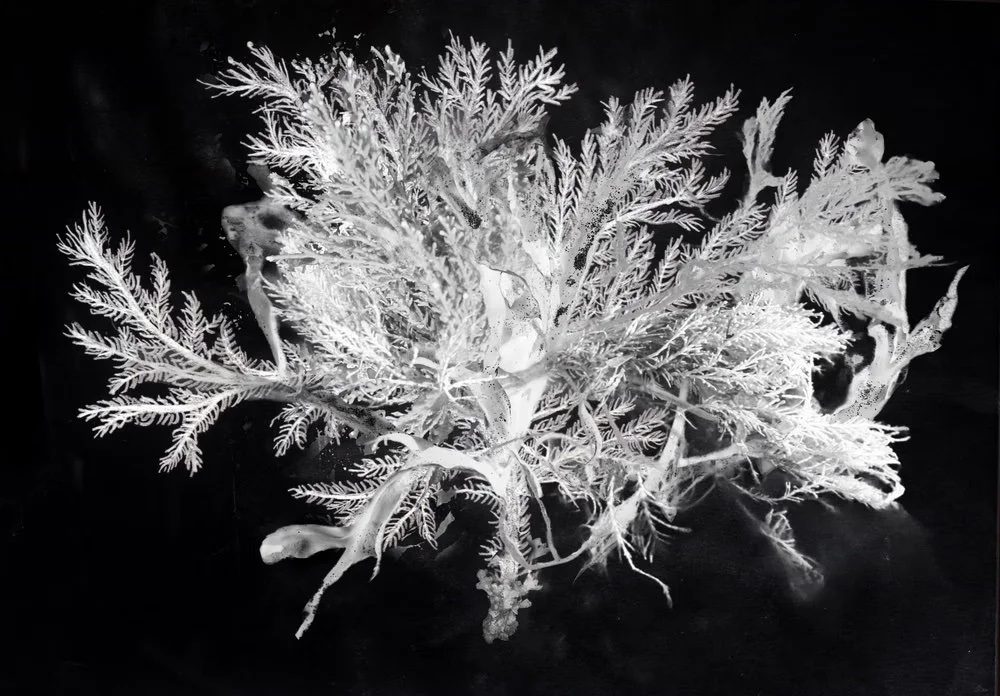
In computer networking, Time To Live (TTL) refers to the lifespan of data before it expires or is discarded. The TTL series repurposes this technical concept to explore radically different temporal scales. Comprising NFTs that reference long-lived natural entities - clams, sea urchins and corals - the works deliberately resist the accelerated cycles of circulation typical of digital assets. Instead, each token is encoded with a tradability time lock, allowing resale only after 200, 400 or 800 years. While it is technically possible to bypass this constraint - for example, by sharing the seed phrase of the wallet into which the work has been transferred - doing so requires a level of trust that sits uneasily within a system built on anonymity and abstraction. By embedding deep time into a technology defined by speed and liquidity, the series tests the limits of blockchain as a medium for thinking about duration. It probes the intersections of time, ownership and the commodification of nature, while also reflecting on ecological value as something that unfolds across centuries rather than market cycles. Ultimately, the work asks whether a technology scarcely more than a decade old can meaningfully engage with temporal horizons that far exceed human lifespans or whether such scales remain fundamentally incompatible with contemporary digital infrastructures.
Artist Notes (Thoughts & Process)
Dissemination
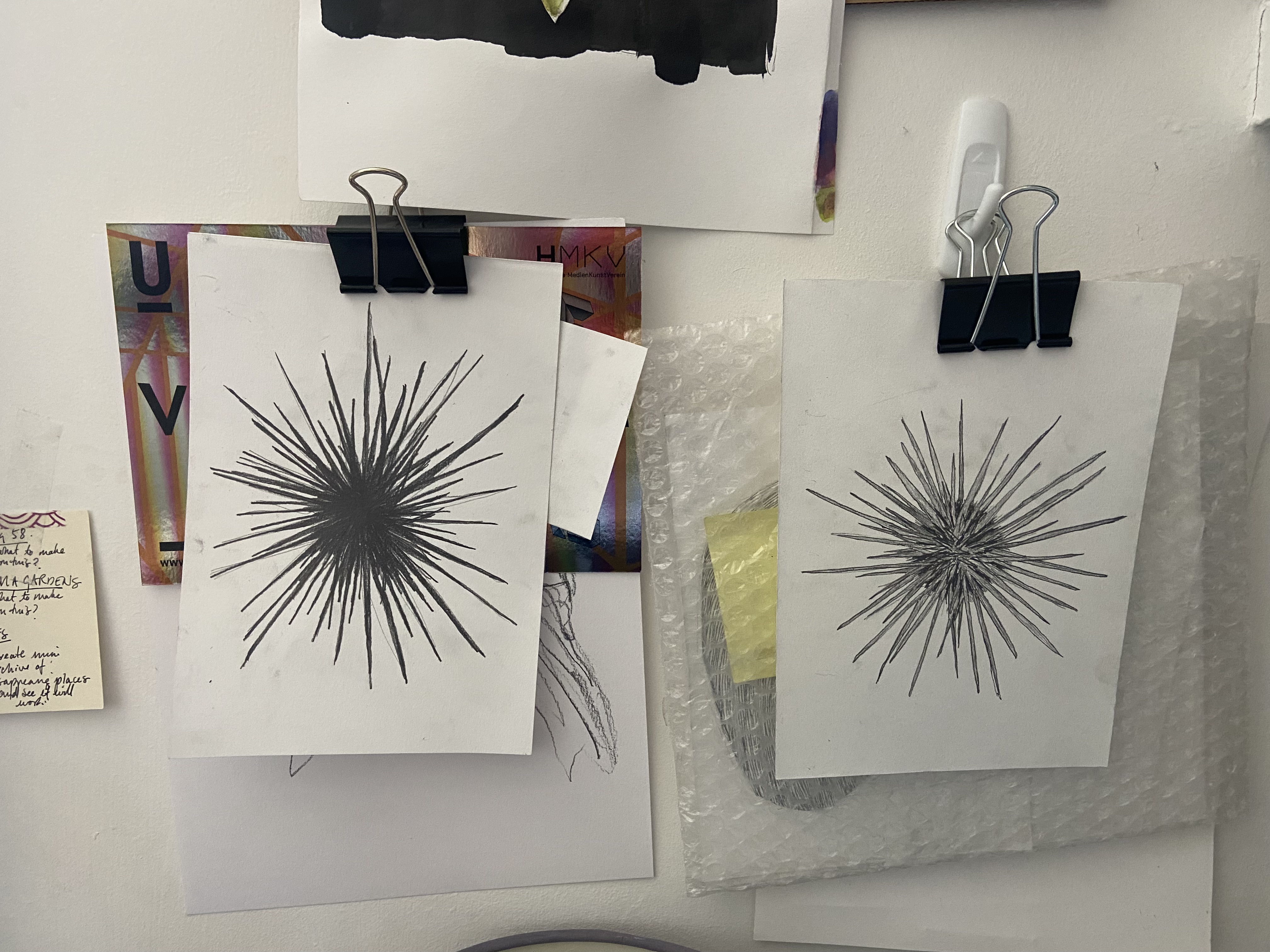
The contract address for these artworks is 0xFb9DA28Ef31B6dbea62d55F501229008E438F052. Alongside the transfer, drawings which made up some of the research and base image were given to the original purchaser. This work is in the permanent collection of KADIST.