Various & Casual Occursions
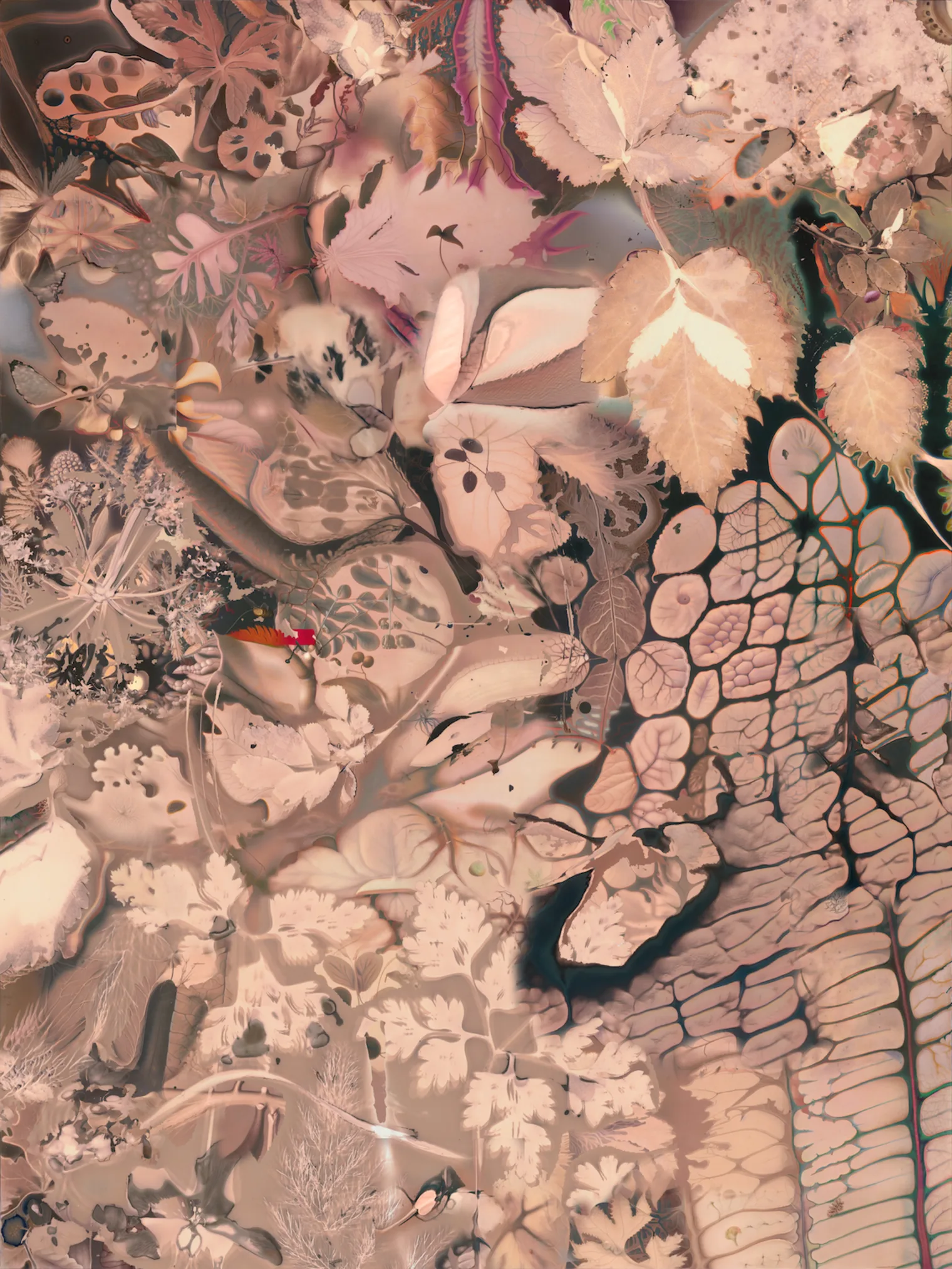
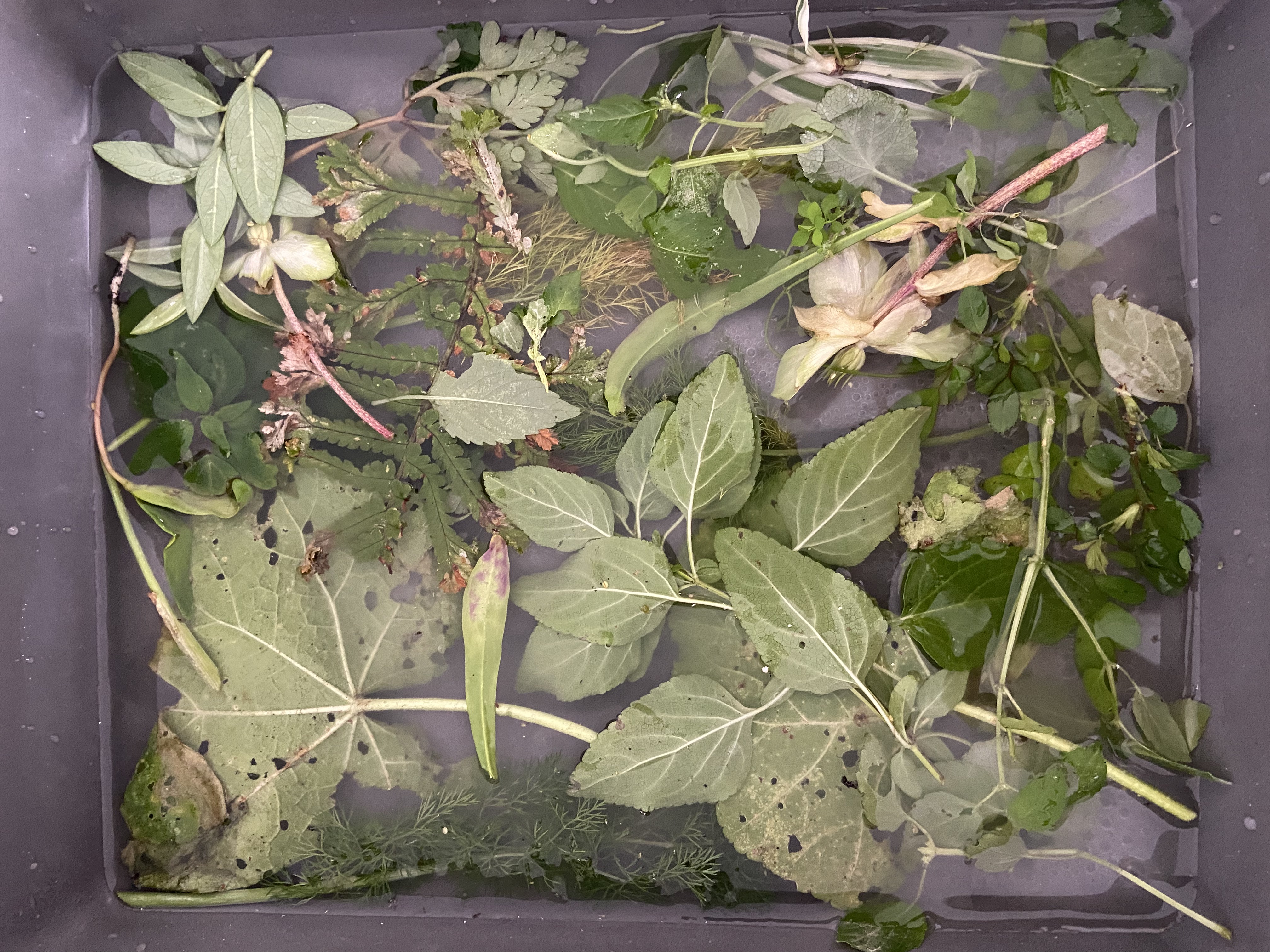
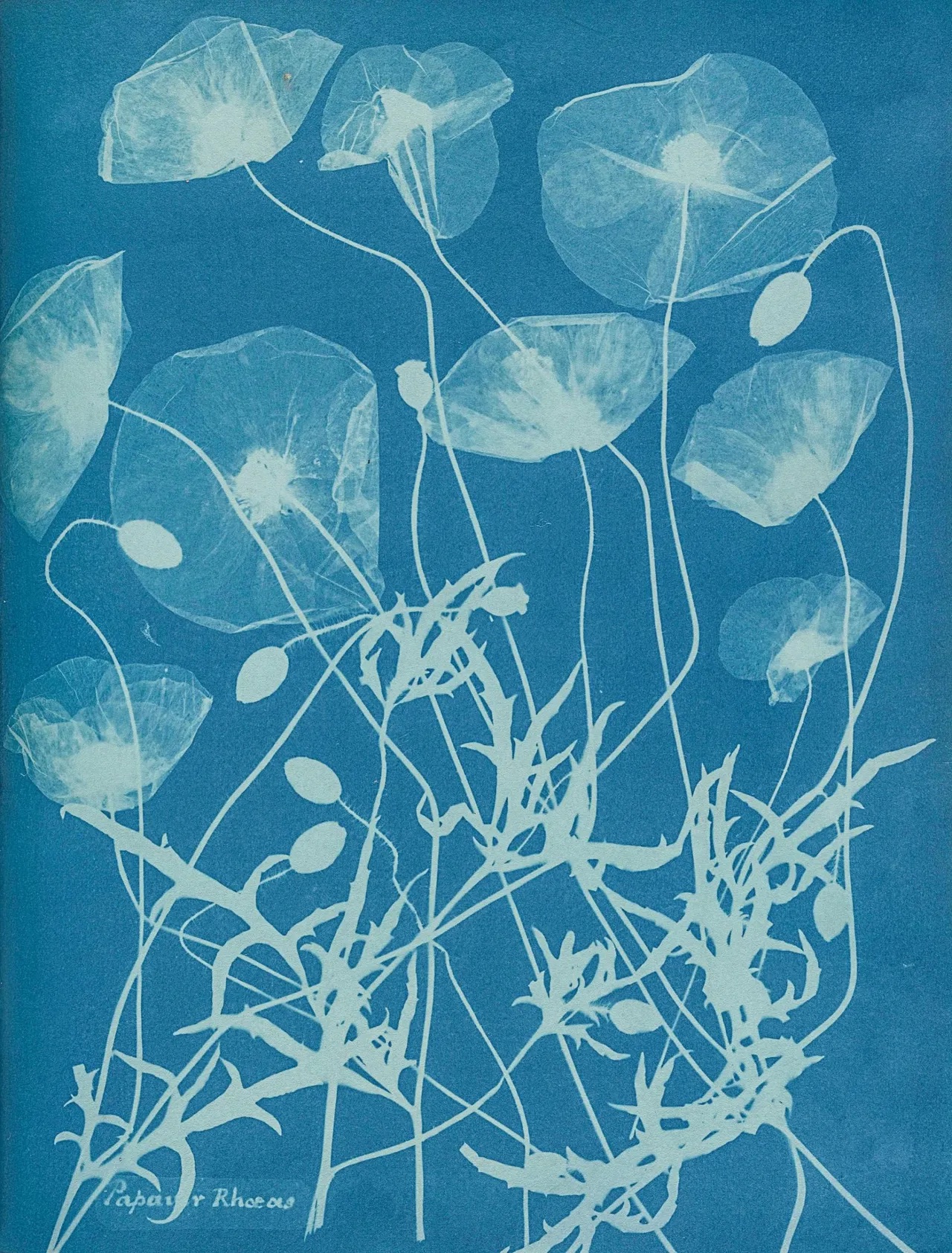
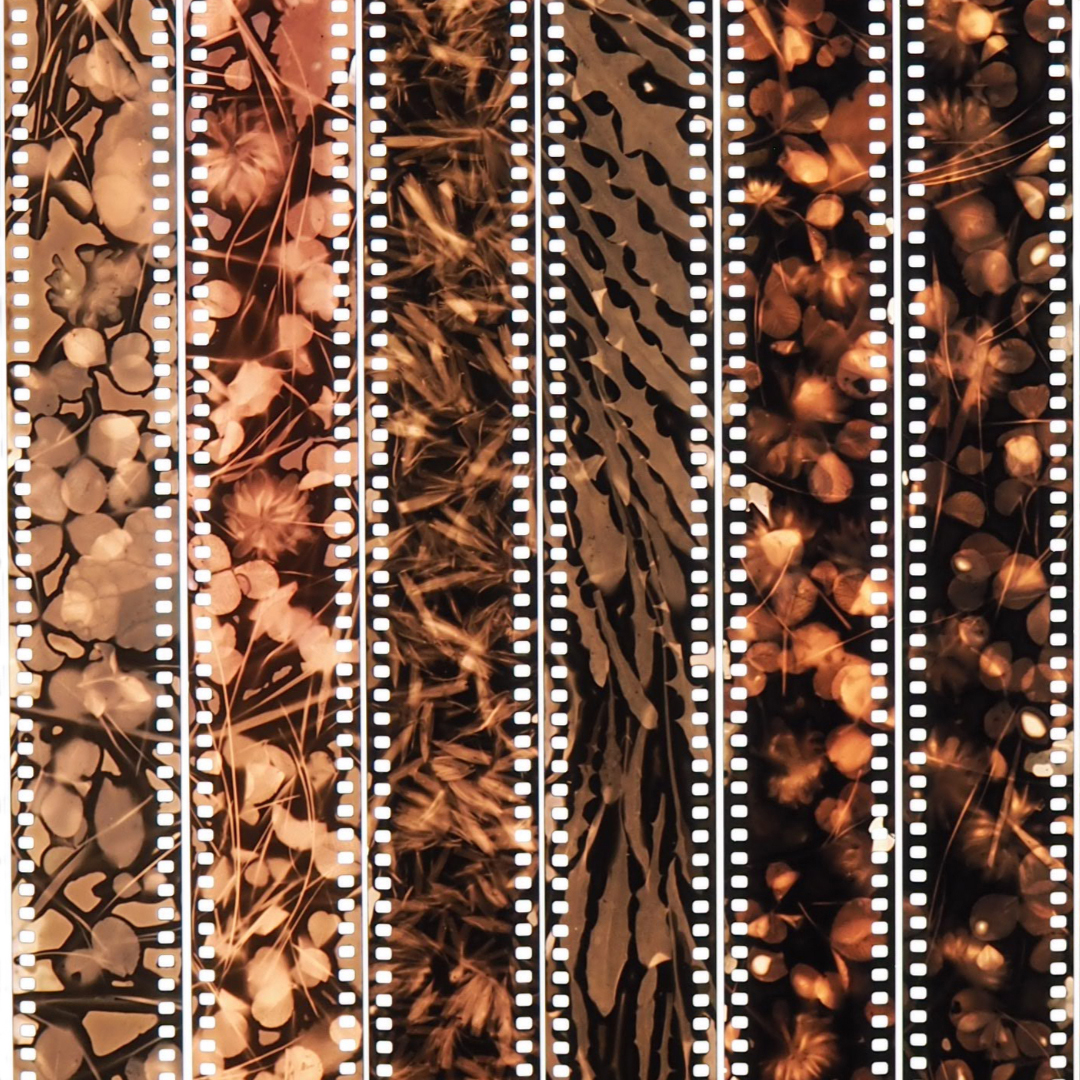
“Various and Casual Occursions” is the first collaboration between Sofia Crespo and Anna Ridler. Occursions, a word that has dropped out of use, are the meetings of things together. This piece collapses the original dataset, the training and the output into one layered image and brings together the artists’ ongoing interest in the process of making with AI and how that relates to the natural world. How do we understand an occursion? Is this moment of collision a foundation for more complex, hybrid understandings of being in interaction or mere happenstance? There are multiple, simultaneous occursions between the artists that are brought out in the work: from their respective practices, the alternative forms of photography and final composition through the interaction of data and algorithms. A large part of this project was exploring different forms of digital and analogue experimental photography – not just neural nets, but also one of the earliest forms of camera-less photography, photograms. Using a technique pioneered by Karel Doing, the artists used the chlorophyll in the plants, taken from each of their gardens in Lisbon and London, to develop the images, so that no chemicals were used. The resulting photofloral tracings, impressions of the interactions of flora, chemistries and light were then digitised and used as input data for neural networks, adding a hybrid dimension to the resulting works. This process of building the dataset surfaces questions about what is captured and what is lost at each stage of translation — questions that apply to analogue technologies as much as digital ones. The work references the history of women and recording natural history in the nineteenth century – most obviously Anna Atkins – but also through the deliberate collaging effect, the way that Victorian women would cut up and create worlds of their own imaging. This imaging is further augmented by the use of various machine learning techniques central to both artists' practices.
Artist Notes (Thoughts & Process)
The title comes from Robert Boyle's The Sceptical Chymist (1661), the foundational text that began to separate early chemistry from alchemy. Boyle used the phrase to describe Epicurus's theory that matter is produced by the accidental collisions and interactions of atoms — "various and casual occursions" — meaning that the material world arises from contingency, not design. The title holds the work's logic: matter meeting matter, process meeting process, practice meeting practice.
References and Inspiration
Dissemination
The contract address for this work is 0x7f92E8dCc1c20f52EcfF108f6301f17619db4b9D