Wikileaks: A Love Story
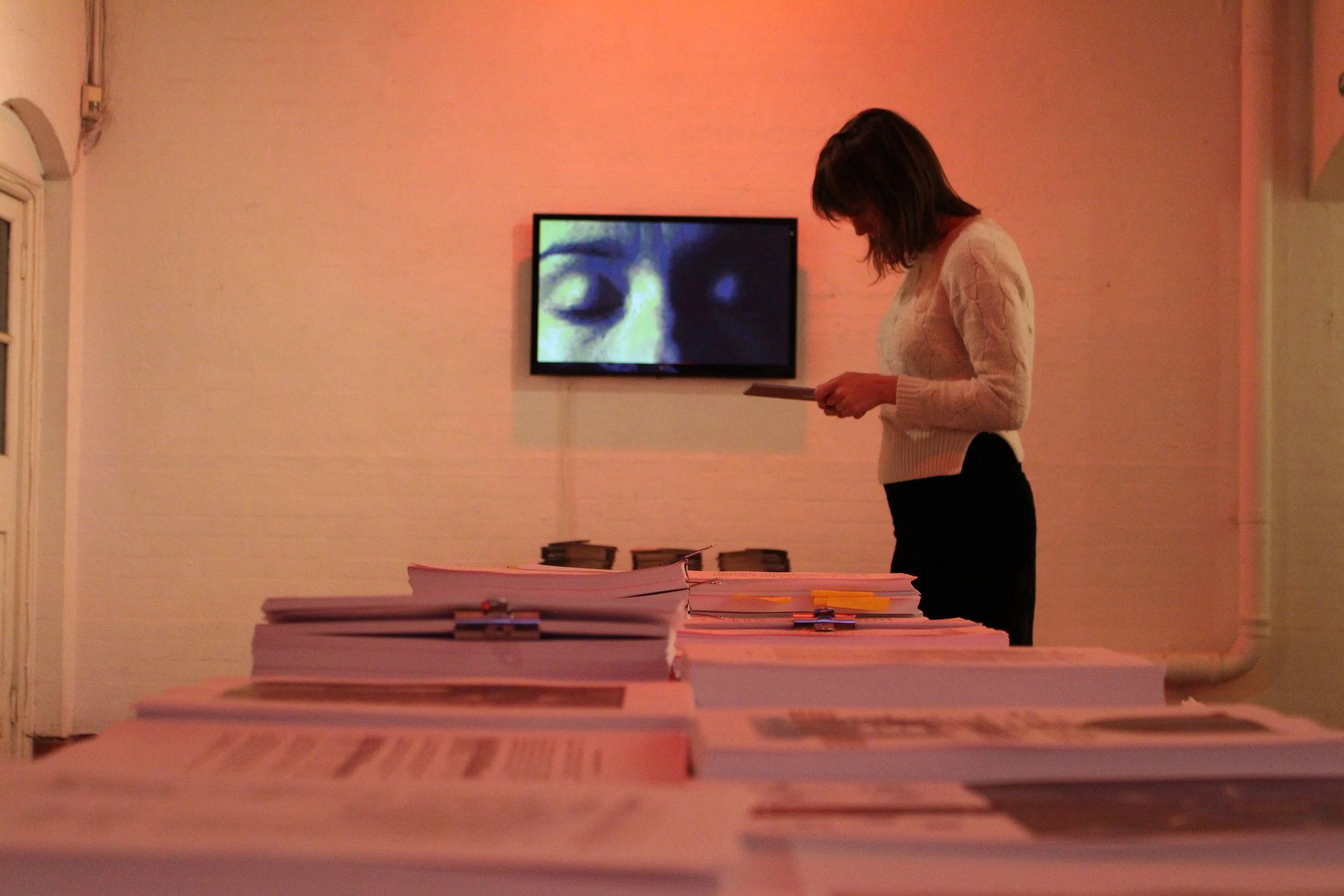
Ten thousand pages of Wikileaks documents are stacked across a long table: classified cables, intelligence reports, institutional correspondence. Viewed through an augmented reality app, they reveal something else: a love story of falling in and out of love told through an institution's email system, now part of the public archive of state secrecy. The work treats the leak not as political evidence but as a found collection of private life, asking what surveillance data accidentally preserves and what it means when intimacy becomes part of the official record.
-1 (1).webp)
Artist Notes (Thoughts & Process)
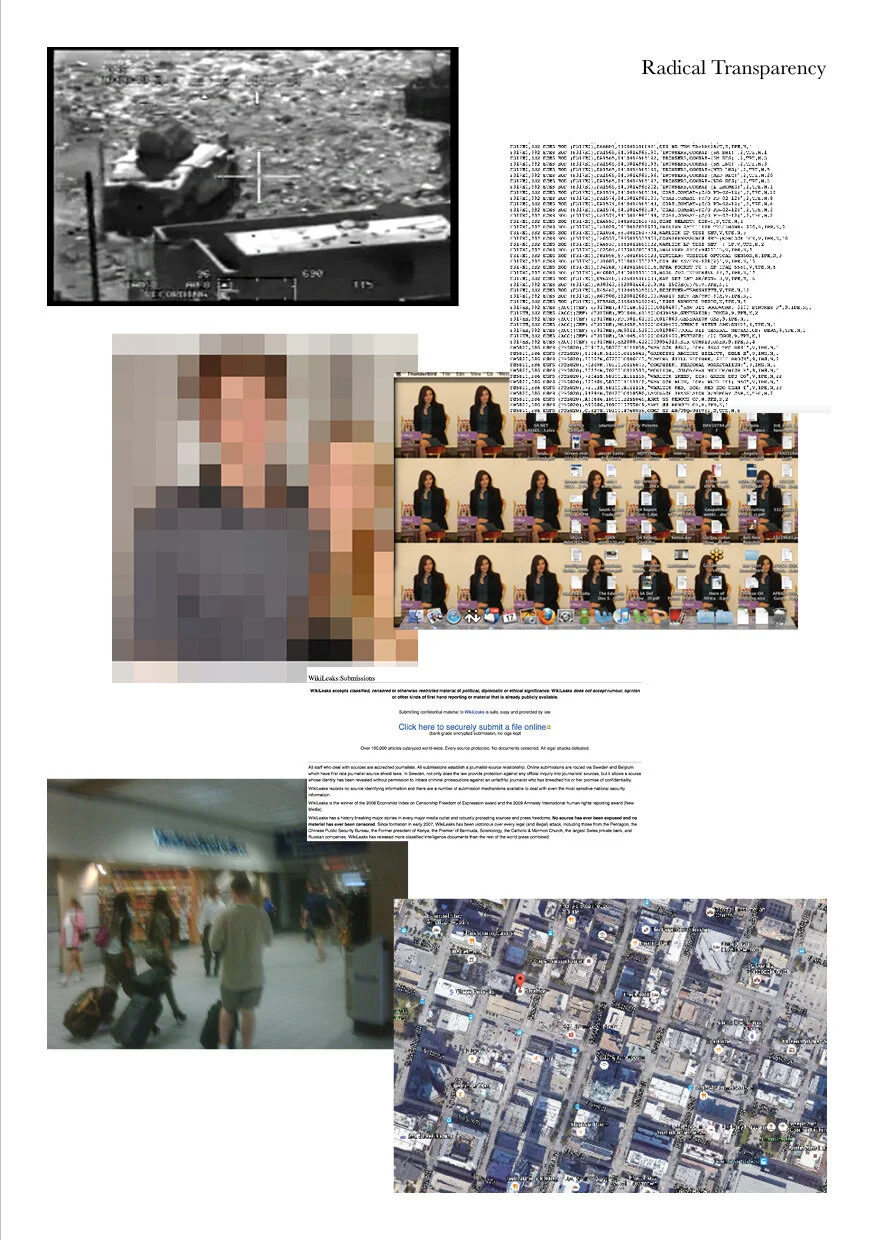
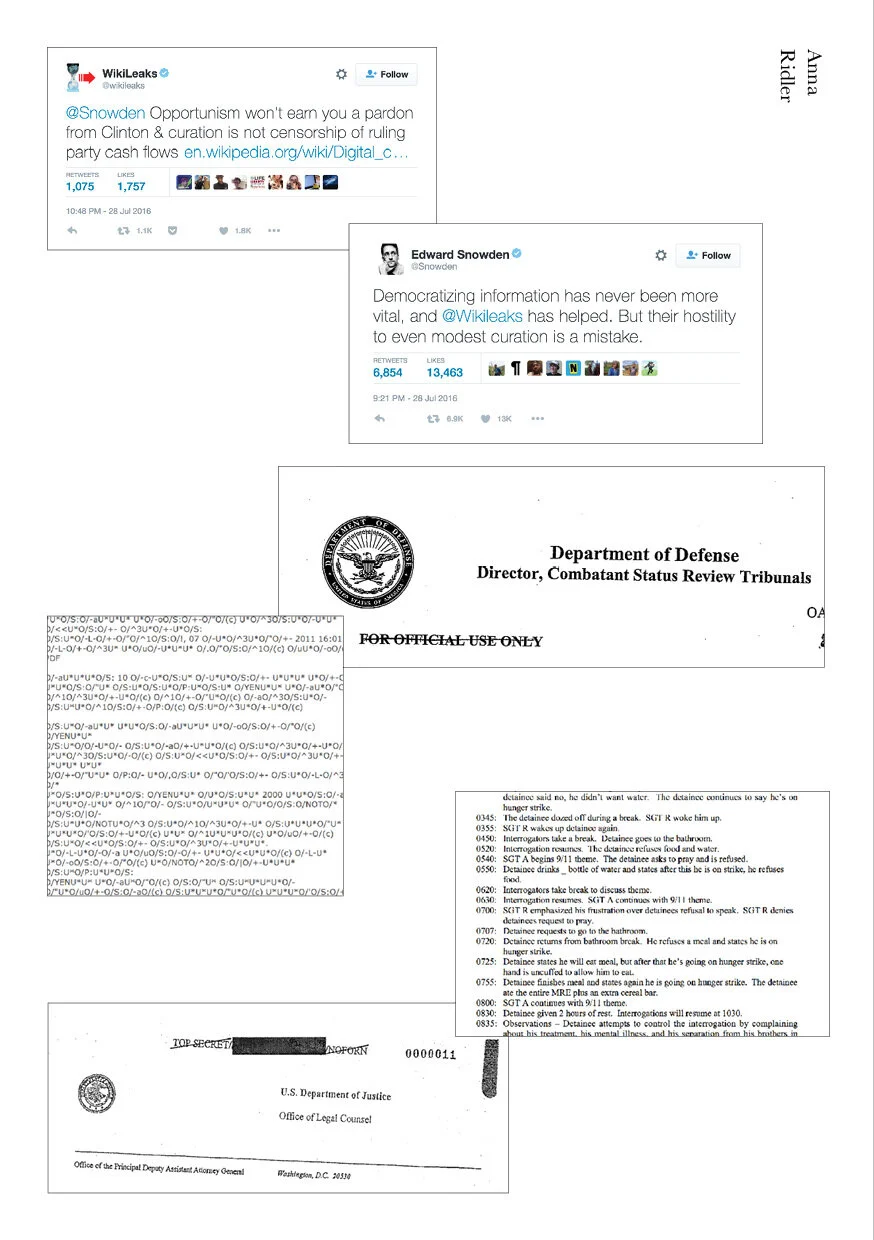
Founded in 2006 and managed by Julian Assange, whose story has become inextricably linked with it, its intention was to create a new kind of reporting, “scientific journalism”, where readers would be able to check the data that sat behind a story in the way that scientists peer review each others research. Information about the Afghanistan and Iraq war and Guantanamo Bay was leaked and turned into award winning stories by outlets such as New York Times and The Guardian. It was seen, as Slavoj Žižek writes, as a ‘good’ secret group attacking a ‘bad’ one (US State Department), upholding transparency and the right to know against the powerful and potentially corrupt. However this view is becoming more and more nuanced. There is an enormous amount of information that sits in Wikileaks (over half a million files in the past year or so) organised into 37 rough databases. The website states it will only upload documents that are of “political, diplomatic or ethical significance” but huge amounts of personal and private information has also been published including details of sick children, rape victims and mental health patients. This is because only a small amount of information is read by moderators before being uploaded to the internet by the site in what is increasingly described as being “needlessly reckless and invasive” by a number of commentators. This “hostility to curation” means that for every top secret presentation, there are also hundreds of thousands of more personal, smaller, mundane, everyday stories that have been uploaded and published: HR complaints, gossip, shopping lists – hints of the lives of the people who work at government departments, who, for the most part, will be middle management or administration personnel. Wikileaks is a complex system, trying to balance freedom of information against the right to know. It criticises power without accountability yet through its own failure to address its curation system, perpetuates it, creating an inherent paradox. This installation shows this collision of public and private that sits at the heart of the Wikileaks project. Stacks of printed paper – emails and documents and photographs – show the macro political machinations that most people assume are being revealed by the database. When an iPad is placed above the top of the papers a hidden narrative is revealed to the viewer, a deeply personal love story of a couple who fell in love and then broke up, all found in the emails that were released as part of a data-dump in 2013. The ipad allows the viewer to see the data and information being shifted and parsed before their eyes, before being constructed out of the mess that is the classification system of Wikileaks into a coherent, structured, easy to understand and universal narrative.